- Why Is the Question “Is BIBO Mandatory in GMP Cleanrooms?” Often Misunderstood?
- What Is BIBO – Bag In Bag Out in GMP Cleanrooms?
- What Does GMP Require for Air Filtration and Filter Replacement?
- Is BIBO Mandatory for Every GMP Cleanroom?
- When Does BIBO Become Necessary in GMP Cleanrooms?
- When Is BIBO Not Necessarily Required?
- Risk Assessment Determines Whether BIBO Is Needed
- Which Locations in GMP Cleanrooms Should Commonly Consider BIBO?
- Why Can Contaminated Filters in GMP Become a Risk Source?
- How Does BIBO Help Meet Contamination and Exposure Control Requirements?
- Does BIBO Increase HEPA Filtration Efficiency?
- How Is BIBO Different From HEPA Box and Standard Filter Housing?
- Technical Requirements If a GMP Cleanroom Uses BIBO
- SOP, PPE, and Training for BIBO Filter Replacement in GMP
- What Should Be Checked During BIBO Qualification in GMP Cleanrooms?
- Used-Filter Handling After Bag Out in GMP Environments
- Common Mistakes in Understanding “BIBO Is Mandatory in GMP”
- Criteria for Deciding Whether to Use BIBO in GMP Cleanrooms
- FAQ – Frequently Asked Questions About Whether BIBO Is Mandatory in GMP Cleanrooms
- Conclusion: BIBO Is Not Always Mandatory, but It Is Very Important at High-Risk Locations
BIBO – Bag In Bag Out is not always mandatory in every GMP cleanroom. This point should be clarified from the beginning because, in real projects, many contractors, investors, or operation teams easily assume that if a cleanroom follows GMP, every important HEPA filtration point must use BIBO. This understanding is not accurate. GMP requires risk control, contamination control, cross-contamination prevention, traceability, and maintenance of a controlled system state, but it does not automatically require BIBO for all filtration points.
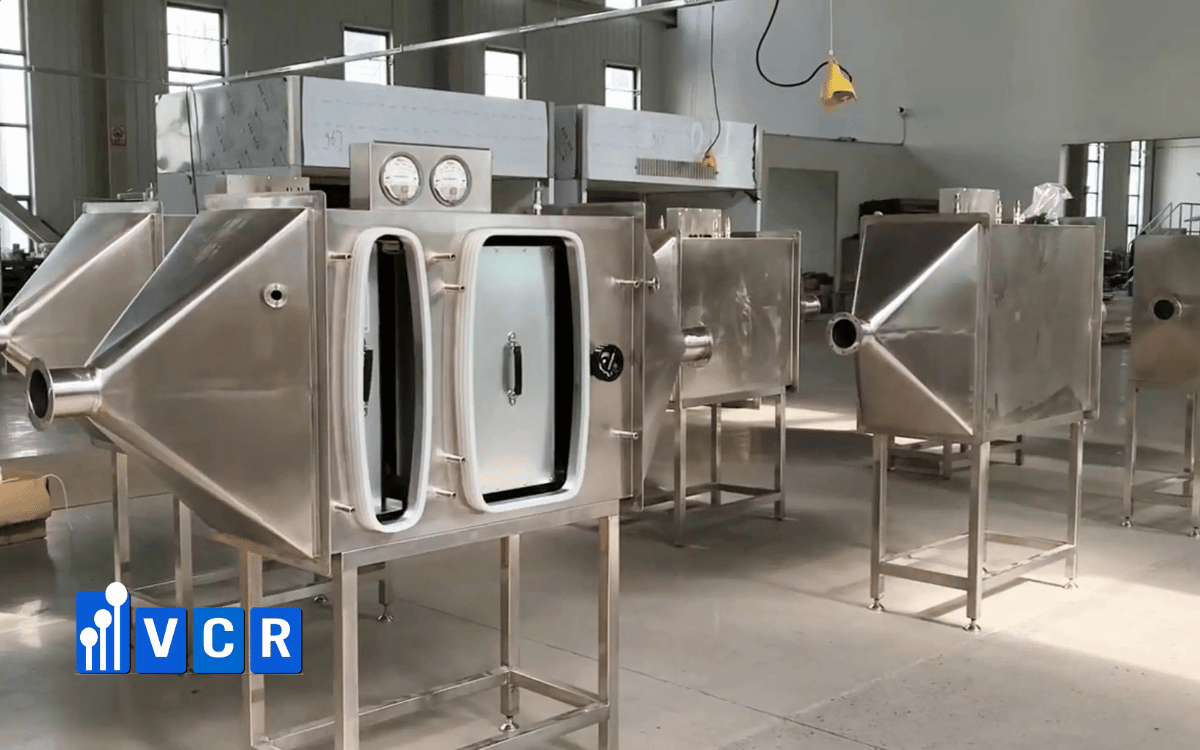
BIBO is a safe bag-based filter replacement solution. This equipment is especially meaningful when the filter after operation may contain active ingredient dust, microorganisms, chemicals, aerosols, or contaminants that require containment. Containment means the ability to control contaminants within an acceptable boundary. If the contaminated filter is removed directly from the housing, contaminants on the filter may be released into the maintenance area, causing exposure risk for filter replacement personnel or secondary contamination.
Therefore, the correct answer to the question “Is BIBO mandatory in GMP cleanrooms?” should not be “always mandatory” or “never needed.” A more suitable answer is: whether BIBO is needed depends on the risk assessment of the filter after operation, airflow type, installation location, contaminant type, containment requirements, filter replacement procedure, and qualification criteria of the facility. In high-risk areas such as API, potent compounds, biological areas, chemical zones, or exhaust air containing hazardous dust, BIBO is a solution worth serious consideration for safer filter replacement.
Why Is the Question “Is BIBO Mandatory in GMP Cleanrooms?” Often Misunderstood?
This question is often misunderstood because many people view GMP as a fixed list of required equipment. When they hear “GMP cleanroom,” they immediately think of HEPA filters, AHUs, pressure differentials, cleanliness classes, airflow, Pass Boxes, Air Showers, cleanroom weighing systems, and assume that BIBO is also a mandatory device in the same way. In reality, GMP does not work that simply. GMP requires a facility to demonstrate that risks have been identified, controlled, and documented through suitable procedures.
BIBO is not mandatory for every GMP cleanroom. BIBO is a technical solution for a specific purpose: safer contaminated filter replacement. This equipment has the clearest value when the filter after operation may contain hazardous contaminants. If the filter is only installed on a low-risk clean air supply path and mainly captures environmental dust, using BIBO may not provide value proportional to its cost and operational complexity.
The misunderstanding also comes from the fact that BIBO often appears in high-standard projects, such as pharmaceutical factories, biological laboratories, active ingredient production areas, or high-risk exhaust air systems. When people see BIBO in these projects, they may conclude that GMP always requires BIBO. In fact, BIBO appears because those locations have high filter replacement risk, not because the term GMP automatically requires BIBO.
Another reason is that many people confuse BIBO with a HEPA filter. They think BIBO is a more advanced type of filter that helps the system meet GMP requirements better. This is not correct. BIBO does not increase HEPA filtration efficiency. BIBO only supports safer contaminated filter replacement using a bag-based method.
Therefore, when evaluating BIBO in GMP cleanrooms, the question should shift from “Does GMP require BIBO?” to “Does this filtration point have enough replacement risk to require BIBO?” The second question is more accurate, closer to the nature of GMP, and helps select equipment more appropriately.
What Is BIBO – Bag In Bag Out in GMP Cleanrooms?
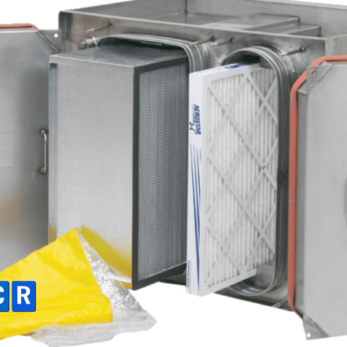
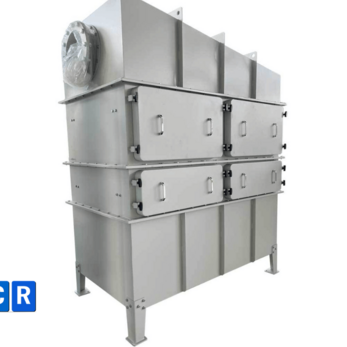
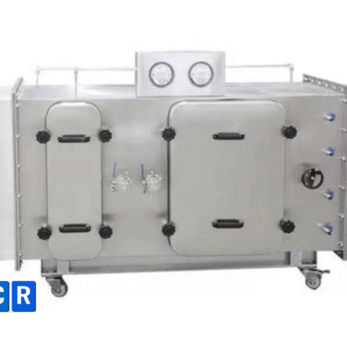
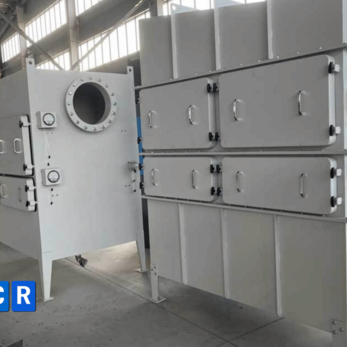
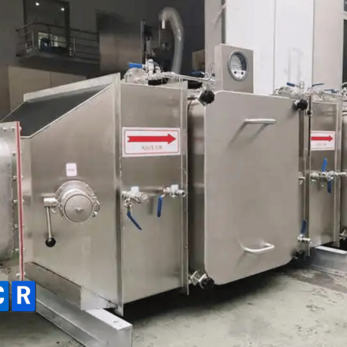
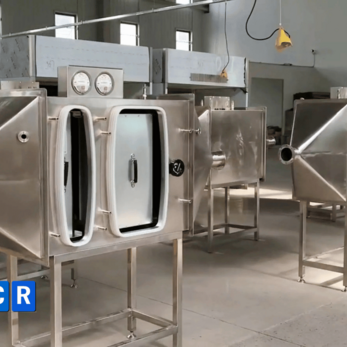
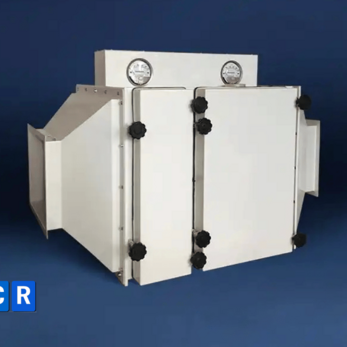
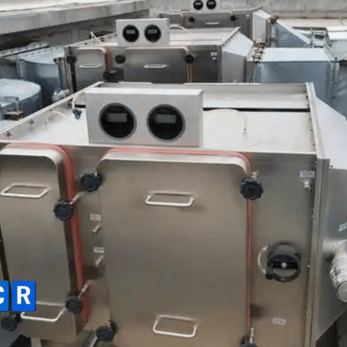
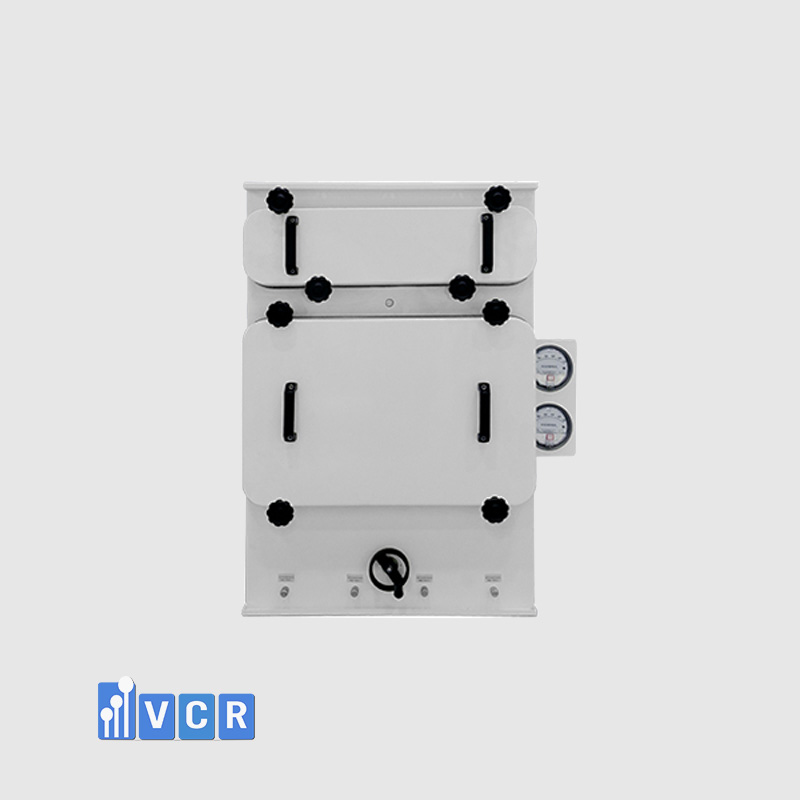
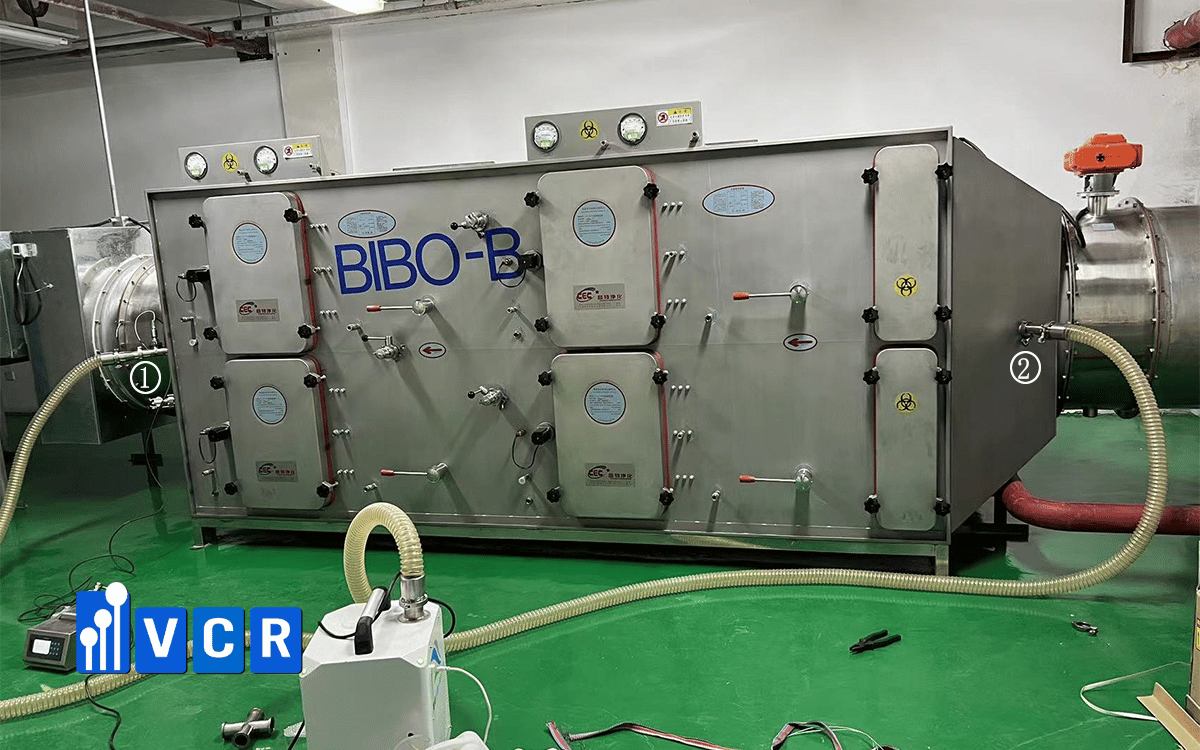
BIBO stands for Bag In Bag Out, meaning a safe bag-based filter replacement system. In GMP cleanrooms, BIBO is usually designed as BIBO Filter Housing, meaning a filter enclosure or box with a bag attachment mechanism for removing contaminated filters under conditions that limit contaminant release. It is a special type of housing that not only holds the filter inside the air system but also supports safer filter replacement.
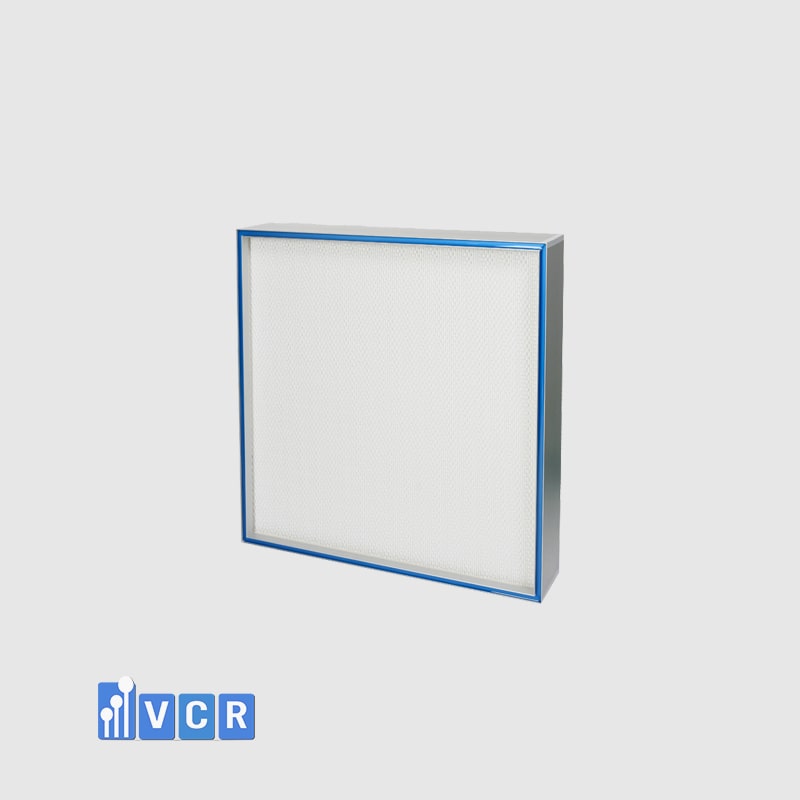
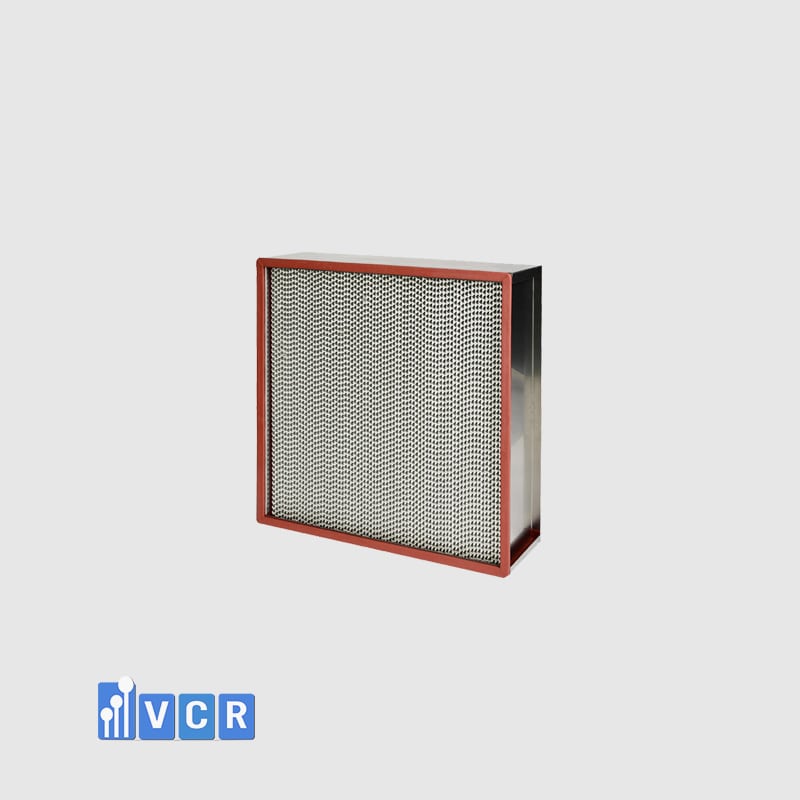
BIBO is not the HEPA filter itself. HEPA Filter stands for High Efficiency Particulate Air, meaning a high-efficiency air filter. HEPA captures particles in the airflow. BIBO is the system that houses the filter and supports removal of the contaminated filter using a bag. In other words, HEPA is the filtration component, while BIBO is the safe filter replacement mechanism.
Inside BIBO, HEPA filters, ULPA filters, pre-filters, or other filtration stages may be installed depending on system requirements. ULPA Filter stands for Ultra Low Penetration Air, meaning an air filter with extremely low particle penetration. A pre-filter is a primary or coarse filter. Each filter type determines particle removal performance, while BIBO determines how the filter is removed after it becomes contaminated.
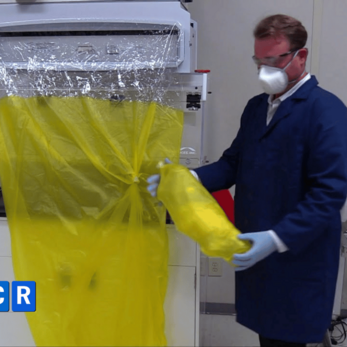
The operating principle of BIBO is clear. When filter replacement is required, the operator does not open the housing and pull the filter out directly. Instead, a BIBO bag is attached to the housing opening. The service door is opened within the bag. The contaminated filter is released from its position, pulled into the bag, and then the bag is sealed before being separated from the housing. As a result, the contaminated filter does not directly contact the external environment in an open condition.
In GMP cleanrooms, the value of BIBO lies in the maintenance and filter replacement stage. BIBO helps the facility reduce the risk of contaminant release when the contaminated filter leaves the system. It is an engineering control layer that must be combined with SOP, PPE, training, used-filter handling, and traceability documentation.
What Does GMP Require for Air Filtration and Filter Replacement?
GMP stands for Good Manufacturing Practice. In GMP cleanrooms, air filtration systems are not only responsible for maintaining cleanliness class. They are also related to contamination control, cross-contamination prevention, product protection, operator protection, and maintaining the facility’s controlled state.
A GMP air filtration system generally needs to be designed according to cleanliness class, room pressure, airflow, air change rate, supply and return air locations, cleaning requirements, maintainability, and qualification requirements. However, GMP does not only focus on normal operating conditions. GMP also pays attention to supporting activities such as maintenance, filter replacement, cleaning, periodic inspection, waste handling, and documentation.
For filters, the important question is not only whether a new filter meets its required grade, but also how the filter will be replaced after operation. If the filter after operation only contains ordinary environmental dust, a standard filter replacement method may be suitable. But if the filter may contain active ingredients, microorganisms, chemicals, or hazardous contaminants, filter replacement needs tighter control.
GMP also requires traceability. The facility needs to know which filter was installed, when it was replaced, who replaced it, which SOP was followed, whether post-replacement checks were performed, how the used filter was handled, and whether any abnormalities occurred. Therefore, any filter replacement solution, whether BIBO or standard housing, must be linked with documentation and procedures.
In high-risk areas, if the contaminated filter may become a source of release, using BIBO may help make the filter replacement process more aligned with GMP risk-control objectives. However, GMP itself should not be interpreted as “BIBO is mandatory everywhere.” GMP requires selecting a solution appropriate to the actual risk.
Is BIBO Mandatory for Every GMP Cleanroom?
BIBO is not a mandatory requirement for every GMP cleanroom or every HEPA filtration point. This is very important. A GMP cleanroom may have many filtration points, including clean air supply, return air, exhaust air, filters inside AHUs, and filter sections serving special areas. Each location has a different risk level. Therefore, one answer cannot be applied to the entire system.
If the filter is installed on a low-risk clean air supply path, mainly contains environmental dust, and does not contact active ingredients, microorganisms, or high-risk chemicals, BIBO is usually not mandatory. In this case, a HEPA Box or standard Filter Housing may be suitable if designed, installed, tested, and replaced according to the correct procedure.
Conversely, if the filter is located in a high-risk position, BIBO should be seriously considered. For example, filters on exhaust air from active ingredient handling areas, high-risk raw material dispensing areas, biological areas, chemical zones, or aerosol-generating areas may accumulate contaminants after operation. If these filters are removed directly, the release risk may be significant.
It is important to remember that BIBO should not be decided by the room name, but by the risk of the filter after operation. A high-class GMP cleanroom does not necessarily need BIBO at every filtration point. Conversely, a filter section in a technical room may require BIBO if the airflow passing through it carries hazardous contaminants.
Therefore, the accurate answer is: BIBO is not always mandatory in GMP cleanrooms, but it can become necessary at locations where contaminated filters may release contaminants during replacement. The final decision must be based on risk assessment, containment requirements, SOP, and project qualification criteria.
When Does BIBO Become Necessary in GMP Cleanrooms?
BIBO becomes necessary in GMP cleanrooms when the filter after operation may contain hazardous contaminants and direct filter removal may cause release or exposure. This is the most important principle. BIBO is not equipment used to “make GMP higher.” It is equipment used to control filter replacement risk at locations where such control is needed.
The first case is areas involving active ingredient dust. API stands for Active Pharmaceutical Ingredient. In API areas, potent compound areas, raw material dispensing rooms, powder blending areas, or cytotoxic drug areas, the airflow may carry active ingredient dust. The filter after operation may accumulate active ingredients and needs to be replaced under conditions that limit release. BIBO is highly suitable in this situation.
The second case is areas involving microorganisms or biological agents. If the filter is installed on exhaust or return air from microbiological operations, bioproduct areas, biological laboratories, or sample handling zones, the filter may capture microorganisms or biological aerosols. Aerosols are airborne droplets or particles suspended in air. In this case, safe bag-based filter replacement helps reduce risk for maintenance personnel.
The third case is systems involving chemical dust or hazardous particles. If the filter may contain chemical dust, toxic particles, or materials requiring control, direct filter removal may release contaminants into the maintenance area. BIBO helps enclose the filter before removal.
The fourth case is when used filters need to be handled as hazardous waste, biological waste, or waste containing active ingredients. If the filter after removal must be labeled, packaged, transported, and handled according to a special procedure, placing it into a sealed bag at the moment it is removed from the housing is a very reasonable control step.
In general, BIBO becomes necessary when the risk of the contaminated filter is higher than ordinary environmental dust. In such cases, BIBO helps the facility better control the stage when the filter leaves the system.
When Is BIBO Not Necessarily Required?
BIBO is not necessarily required at low-risk filtration points. For example, if the filter is installed on a clean air supply path, mainly captures dust from the supply air system, and does not contact active ingredients, microorganisms, chemicals, or high-risk contaminants, a HEPA Box or standard Filter Housing may meet the requirement. The condition is that the system must be installed, tested, and maintained according to suitable procedures.
BIBO may also be unnecessary if a standard filter replacement SOP can adequately control the risk. SOP stands for Standard Operating Procedure. If the filter has no risk of releasing hazardous contaminants, filter replacement personnel are suitably protected, the replacement area is easy to clean, and the used filter does not need to be handled as hazardous waste, BIBO may not be necessary.
Using BIBO in the wrong location may increase cost. The cost is not only the equipment price, but also BIBO bags, service space, replacement time, operator training, periodic inspection, and maintenance of the bag clamping mechanism. If the filtration point is low risk, these additional costs may not provide proportional value.
BIBO also requires more space than standard housing. The operator needs enough clearance to attach the bag, pull the filter, seal the bag, and remove the used filter. If BIBO is installed where there is not enough space, the equipment may become difficult to operate and may even increase operational risk instead of reducing it.
Therefore, BIBO should not be used with the mindset of “the more, the better.” Good GMP design is design that matches actual risk. For low-risk locations, a simpler but well-controlled solution may be more reasonable.
Risk Assessment Determines Whether BIBO Is Needed
Risk assessment is the most important basis for deciding whether BIBO is needed in a GMP cleanroom. Without risk assessment, a project may fall into two mistakes: using BIBO where it is unnecessary or failing to use BIBO where it is truly needed.
Risk assessment should begin with airflow. Is the filter on supply air, return air, or exhaust air? Supply air is generally lower risk if it only delivers clean air into the room. Return air and exhaust air need more careful evaluation, especially if they pass through areas containing active ingredients, microorganisms, chemicals, or aerosols.
Next, it is necessary to determine what the filter may contain after operation. This is the core question. A new filter is a clean consumable, but a filter after operation may have accumulated contaminants from the airflow. If those contaminants include active ingredient dust, microorganisms, or chemicals, the filter replacement risk is completely different from a filter containing only environmental dust.
It is also necessary to evaluate whether filter replacement personnel may be exposed. Replacement personnel may be maintenance staff, HVAC technicians, or service contractors. They stand close to the filter, handle it directly, and may contact contaminants on the filter if suitable controls are not in place.
The assessment should also consider whether the used filter must be handled as hazardous waste, biological waste, or waste containing active ingredients. If so, enclosing the filter in a bag at the moment it is removed from the housing is an important control step.
Finally, the project should consider whether containment is required during filter replacement. If such a requirement exists, BIBO is a highly suitable solution. If there is no containment requirement and the risk is low, standard housing may be sufficient. Therefore, BIBO should not be decided by assumption, but by a grounded risk assessment.
Which Locations in GMP Cleanrooms Should Commonly Consider BIBO?
In GMP cleanrooms, BIBO should commonly be considered at locations where filters after operation may contain hazardous contaminants. The first location is the exhaust air path. Exhaust air is air extracted from a production or operating area. If exhaust air passes through areas containing active ingredient dust, microorganisms, chemicals, or aerosols, the filter on this path may accumulate contaminants requiring control.
The second location is the return air path. Return air is air sent back to the air handling system. If return air comes from a high-risk area, the return air filter may need to be evaluated to determine whether BIBO is required. In some cases, return air may be filtered, treated, or not recirculated depending on the facility’s control strategy.
The third location is the AHU or filter section inside the HVAC system. HVAC stands for Heating, Ventilation and Air Conditioning. AHU stands for Air Handling Unit. If the AHU serves a high-risk area and the filter may contain hazardous contaminants after operation, BIBO should be considered at the appropriate filter section.
The fourth location is ductwork, meaning the air duct system. Some filter sections may be installed on ductwork, near the process area, or before air is discharged. If the airflow inside the ductwork carries hazardous contaminants, the filter section on the ductwork may also require BIBO.
Areas commonly considered include API areas, potent compound areas, raw material dispensing rooms, cytotoxic drug areas, biological areas, chemical zones, hazardous sample handling areas, or areas with hazardous dust. However, BIBO should not be selected only according to the area name. The airflow passing through the filter and the condition of the filter after operation must be evaluated.
In addition to risk, the installation location must also allow serviceability. If BIBO is installed too close to a wall, too high, or blocked by other ductwork, bag-out may be difficult to perform. Therefore, a suitable location must be correct in terms of risk and practical for maintenance.
Why Can Contaminated Filters in GMP Become a Risk Source?
Contaminated filters in GMP can become a risk source because they have accumulated what the airflow has carried throughout operation. When new, the filter is a clean consumable. After use, however, the filter may contain dust, particles, active ingredients, microorganisms, chemicals, aerosols, or other contaminants. Therefore, new filters and used filters do not have the same risk level.
When the filter remains inside the housing, the risk is better controlled. The filter stays inside the system, airflow follows the design, and contaminants on the filter are not disturbed. But when the housing is opened and the filter is removed, the filter may move, shake, tilt, or impact surfaces. Contaminants on the filter may fall off or be released into the maintenance area.
In API areas, contaminated filters may contain active ingredient dust. In biological areas, they may contain microorganisms or biological aerosols. In chemical areas, they may contain chemical dust or hazardous particles. These contaminants may not be clearly visible, but they still matter for safety, contamination control, and waste handling.
Contaminated filters may also become a source of secondary contamination. If dust from the filter falls onto the floor, tools, carts, or PPE, those surfaces may carry contaminants to other areas. In GMP environments, secondary contamination and cross-contamination are risks that must be carefully controlled.
Therefore, when evaluating whether BIBO is needed, it is not enough to look at the filter when it is new or only at the HEPA grade. The filter after operation must be considered. If the contaminated filter may become a risk source during removal, BIBO is a solution worth considering.
How Does BIBO Help Meet Contamination and Exposure Control Requirements?
BIBO helps control contamination and exposure by changing how the contaminated filter leaves the system. Instead of opening the housing and pulling the filter out in an open condition, the operator attaches a bag to the housing, opens the door within the bag, removes the filter, pulls it into the bag, seals it, and only then removes it. The contaminated filter is enclosed before leaving the system.
This mechanism helps reduce release risk. If contaminants on the filter are disturbed during pulling, that disturbance occurs inside the bag rather than in the maintenance area. This is especially important when the filter may contain active ingredient dust, microorganisms, chemicals, or aerosols.
BIBO also helps reduce exposure risk for filter replacement personnel. Operators still need PPE, but BIBO adds an engineering control layer. PPE protects the individual, while BIBO helps limit the source of release from contacting the external environment. These two measures do not replace each other; they complement each other.
In addition, BIBO helps reduce the risk of contaminating the maintenance area. When the contaminated filter is bagged out in a sealed bag, the likelihood of dust or contaminants settling on floors, tools, carts, or surrounding equipment is reduced. This helps the technical area maintain a more controlled state.
However, BIBO does not eliminate all risk. If the bag tears, the clamp is not tight, the procedure is incorrect, or the used filter is handled improperly, risk may still occur. Therefore, BIBO must be combined with SOP, PPE, training, decontamination if required, and appropriate used-filter handling procedures.
In GMP, the value of BIBO is not only in the equipment itself but also in the control system around it. A BIBO system that is properly installed, operated, and documented can better support contamination control, exposure control, and traceability.
Does BIBO Increase HEPA Filtration Efficiency?
BIBO does not increase HEPA filtration efficiency. This must be clearly explained to avoid selecting equipment for the wrong purpose. If HEPA H13 is installed inside BIBO, the system still has H13 filtration. If HEPA H14 is installed, it still has H14 filtration. BIBO does not turn H13 into H14, does not change filter media, and does not make the filter capture particles better.
Filtration efficiency depends on filter grade, filter media, filter design, airflow rate, face velocity, installation tightness, and leak test results if required. If the filter is not installed tightly or if there is bypass in the housing, actual performance may still be affected even if the filter has a high grade.
The value of BIBO lies in safer contaminated filter replacement. In GMP cleanrooms, the issue is not only whether the filter performs well during operation, but also how the filter will be removed after it has accumulated contaminants. BIBO controls this stage through the Bag In Bag Out mechanism.
Therefore, BIBO should not be selected because it “filters cleaner.” The correct reason is “safer replacement of contaminated filters.” If the project needs higher filtration efficiency, HEPA/ULPA grade, airflow design, and tightness should be reviewed. If the project needs filter replacement risk control, BIBO is the solution to consider.
How Is BIBO Different From HEPA Box and Standard Filter Housing?
HEPA Box, standard Filter Housing, and BIBO may all be related to HEPA filters, but their purposes are different. A HEPA Box is usually a HEPA filter box for final clean air supply into a cleanroom, often installed on the ceiling or at an air supply point. Its main purpose is to supply clean air to the controlled area.
Standard Filter Housing is a filter enclosure or box inside an air system. It holds the filter in the correct position, helps airflow pass through the filter, and allows filter replacement when needed. However, replacement is usually performed by opening the housing and removing the filter more directly.
BIBO Filter Housing is housing with an additional safe bag-based filter replacement mechanism. During replacement, the contaminated filter is pulled into a bag, sealed, and only then removed from the housing. Therefore, the main difference of BIBO is not that it may contain HEPA, but how the filter is replaced.
If the goal is final clean air supply into a room, a HEPA Box is usually suitable. If the goal is to hold a filter in a low-risk air system, standard Filter Housing may be suitable. If the goal is to control risk when removing a contaminated filter that may contain hazardous contaminants, BIBO is more suitable.
In a GMP facility, all three types of equipment may coexist. HEPA Boxes supply clean air into production rooms. Standard Filter Housing may be used at low-risk locations. BIBO may be used on exhaust or return air from high-risk areas. The important point is to name and select equipment according to function, avoiding confusion between BIBO and HEPA Box or misunderstanding BIBO as a higher-grade HEPA filter.
Technical Requirements If a GMP Cleanroom Uses BIBO
If a GMP cleanroom uses BIBO, the equipment must meet several technical requirements to ensure safe filter replacement. The first requirement is housing material. The housing must have suitable strength, cleanability, and corrosion resistance for the operating environment. Surfaces should limit hard-to-clean crevices, sharp edges, or points that may tear the bag.
The second requirement is tightness. The housing, service door, gasket, ductwork connections, filter seating position, and bag attachment opening must be controlled to limit leakage. A gasket is a sealing component. If the housing is not tight, air may bypass or contaminants may escape during filter replacement.
The third requirement is a suitable filter. HEPA, ULPA, or another filtration stage may be installed inside BIBO depending on the system. Filter grade, dimensions, airflow rate, resistance, airflow direction, gasket type, and leak-testing capability must be defined. BIBO does not replace the need to select the correct filter.
The fourth requirement is the BIBO bag. The bag must be correctly sized, strong enough, compatible with filter weight and contaminant type, and sealable according to the SOP. If the bag is too small, too thin, or easily torn, the Bag In Bag Out principle may fail to meet its objective.
The fifth requirement is the bag clamping mechanism. The clamping ring or bag-holding mechanism must be secure, easy to operate, and free from gaps. When the contaminated filter is pulled into the bag, the bag must not slip off the housing. This point must be checked during simulated operation.
The sixth requirement is the service door, filter lock, and filter compression mechanism. These parts must be secure during normal operation and practical to operate within the bag. If the filter lock is too stiff or the compression mechanism is too difficult to open, operators may use excessive force, increasing the risk of bag tearing.
The final requirement is differential pressure, test ports, and service space. A differential pressure gauge helps monitor filter condition. Test ports support HEPA leak testing, scan testing, or DOP/PAO testing if required by the project. Service space must be sufficient to attach the bag, pull the filter, seal the bag, and remove the used filter. If space is insufficient, BIBO may meet specifications but be difficult to operate correctly.
SOP, PPE, and Training for BIBO Filter Replacement in GMP
SOP is essential when using BIBO in GMP cleanrooms. SOP stands for Standard Operating Procedure. The BIBO filter replacement SOP must clearly define preparation, bag inspection, bag attachment, door opening, filter removal, pulling the filter into the bag, sealing, used-filter handling, new filter installation, post-replacement inspection, and documentation.
PPE stands for Personal Protective Equipment. BIBO does not replace PPE. Operators still need protection suitable for the risk of the contaminated filter. Depending on the contaminant type, PPE may include gloves, goggles, masks, protective garments, or respiratory protection.
Operator training is very important. Replacement personnel must understand the Bag In Bag Out principle, know why the bag must be attached before opening the door, why the bag must be sealed before separation from the housing, and why the contaminated filter must not be pulled out directly. If the facility has equipment but no training, BIBO may create a false sense of safety.
The SOP must also define incident response. What should be done if the bag tears? What should be done if the clamp is not tight? If the filter is stuck, is strong pulling allowed? If release is suspected, who should be notified and how should the area be handled? These questions must be answered before real operation.
Simulated operation should be performed during qualification or training. Operators can practice with a simulated filter to check the layout, bag, clamping mechanism, service door, and SOP. If simulation is already difficult, real replacement with a contaminated filter will be much riskier.
In GMP, procedures are not only for guiding operations but also for proving that activities are controlled. Therefore, BIBO filter replacement must be fully documented: replacement time, operator, filter code, bag condition, PPE used, used-filter handling method, and any abnormalities.
What Should Be Checked During BIBO Qualification in GMP Cleanrooms?
BIBO qualification in GMP cleanrooms should not stop at checking whether the filter passes. Because the main value of BIBO lies in safe bag-based filter replacement, qualification must check the equipment, tightness, test ports, service space, and actual Bag In Bag Out capability.
First, appearance, material, dimensions, and installation location should be checked. The housing must match the configuration, show no deformation, have no sharp edges that could tear the bag, and have surfaces suitable for GMP environments. The installation location must provide enough space to attach the bag, open the door, pull the filter, seal the bag, and remove the used filter.
Next, tightness, gasket, service door, filter compression mechanism, and filter seating should be checked. If the filter is not evenly compressed against the gasket or if the housing has gaps, air may bypass. With BIBO, tightness is also related to release risk during filter replacement.
Differential pressure gauges and test ports should be checked. The differential pressure gauge must have a suitable measuring range and be easy to observe. Test ports must be accessible if the project requires HEPA leak testing, scan testing, or DOP/PAO testing. HEPA leak testing checks for leakage in the HEPA filter. Scan testing is filter leak scanning. DOP/PAO testing uses test aerosol.
A key qualification item is simulated filter replacement. The qualification team should verify that the operator can attach the bag, open the door, remove the filter, pull it into the bag, seal it, and remove it. If simulation is already difficult, real replacement with a contaminated filter will carry higher risk.
Qualification records should document test results, deviations if any, and corrective actions. In GMP, qualification is not only confirming that equipment has been installed, but proving that the equipment can be operated and controlled according to procedure.
Used-Filter Handling After Bag Out in GMP Environments
After the filter has been placed into the bag and bagged out, the risk has not ended. The bag containing the contaminated filter may still contain active ingredient dust, microorganisms, chemicals, aerosols, or other contaminants requiring control. Therefore, used-filter handling after Bag Out is an important part of the BIBO procedure in GMP environments.
The used filter bag may need to be clearly labeled. The label should show the filter location, replacement date, operator, risk type if applicable, and handling direction. Labeling helps prevent confusion between high-risk used filters and ordinary waste.
In some cases, used filters need additional packaging. If the filter is large, heavy, or may tear the bag during transport, an outer bag or suitable container should be used. If the filter is related to active ingredients, microorganisms, or chemicals, the packaging method must match the corresponding waste procedure.
The transport route and temporary storage area also need to be defined. The used filter bag should not be placed in uncontrolled areas, high-traffic areas, or areas with impact risk. If the used filter must be handled as hazardous waste, the handover and final treatment process must be clear.
Used-filter handling records must be retained for GMP traceability. Records may include filter code, installation location, replacement date, operator, bag condition, sealing method, transport method, treatment provider, and completion confirmation. If an incident or investigation occurs later, these records help trace the handling process.
BIBO controls the step of removing the filter from the housing, but it does not replace the waste handling procedure. A complete GMP process must control filter removal, sealing, transport, storage, disposal, and documentation.
Common Mistakes in Understanding “BIBO Is Mandatory in GMP”
The first mistake is thinking BIBO is mandatory for every GMP cleanroom. In reality, BIBO is not automatically required for every room or every filtration point. The decision to use BIBO must be based on the risk of the filter after operation and the required control during filter replacement.
The second mistake is thinking BIBO increases HEPA filtration efficiency. BIBO does not make the filter cleaner. Filtration efficiency depends on the selected HEPA, ULPA, or other filter grade. BIBO only makes contaminated filter replacement safer.
The third mistake is selecting BIBO without risk assessment. If BIBO is used everywhere, the project may increase cost unnecessarily. If BIBO is not used in high-risk locations, release risk may increase. Each filtration point needs specific evaluation.
The fourth mistake is using BIBO without allowing enough service space. BIBO requires clearance to attach the bag, pull the filter, and seal the bag. If space is insufficient, the equipment may be difficult to operate correctly even if it was selected for the right reason.
The fifth mistake is lacking SOP and PPE. BIBO is not automatically safe if operators perform the process incorrectly. A clear procedure, suitable protection, and practical training are required.
The sixth mistake is not handling used filters according to procedure. After bag-out, the filter bag still carries risk. If it is not labeled, transported, stored, and disposed of correctly, risk may shift to the post-replacement stage.
The biggest mistake is understanding GMP as a fixed equipment checklist. GMP actually requires risk control based on the product, process, contaminant, operation, and documented evidence. BIBO is an important solution, but it must be used in the right place for the right reason.
Criteria for Deciding Whether to Use BIBO in GMP Cleanrooms
The first criterion for deciding whether to use BIBO in GMP cleanrooms is the product type and contaminant type. What does the facility produce? Does it involve potent compounds, APIs, bioproducts, microorganisms, chemicals, or high-risk substances? If so, filtration points related to airflow from those areas need careful evaluation.
The second criterion is airflow type. Is the filter on supply air, return air, or exhaust air? Exhaust and return air from risk areas generally need more attention than low-risk clean supply air. However, every decision must still be based on the actual system conditions.
The third criterion is the risk of the contaminated filter. After operation, what may the filter contain? If it is only environmental dust, the risk is lower. If it is active ingredient dust, microorganisms, chemicals, or aerosols, the risk is higher and BIBO becomes more worth considering.
The fourth criterion is containment requirements. If the project requires enclosed filter replacement, release limitation, or exposure control during filter removal, BIBO is a suitable solution. If there is no containment requirement and the risk is low, BIBO may not be needed.
The fifth criterion is replacement personnel and PPE. Who will replace the filter? Are they trained? Is suitable PPE available? Is there a clear SOP? If the filter is high risk but replacement will be performed by a standard maintenance team, stronger control through equipment and procedures is needed.
The sixth criterion is used-filter handling. If used filters must be handled as hazardous waste, biological waste, or waste containing active ingredients, BIBO helps enclose the filter at the moment it is removed from the housing.
The final criterion is qualification capability, service space, and life-cycle budget. BIBO requires operating space, replacement bags, periodic inspection, and training. As a cleanroom equipment supplier for cleanroom contractors, VCR Cleanroom Equipment can support consultation on suitable BIBO Filter Housing for GMP cleanrooms, HVAC systems, AHUs, ductwork, exhaust air, return air, and areas requiring filter replacement risk control.
FAQ – Frequently Asked Questions About Whether BIBO Is Mandatory in GMP Cleanrooms
Question: Is BIBO mandatory in GMP cleanrooms?
BIBO is not mandatory for every GMP cleanroom or every HEPA filtration point. Whether BIBO is needed depends on the risk assessment of the filter after operation, installation location, airflow type, and release control requirements during filter replacement.
Question: When does a GMP cleanroom need BIBO?
A GMP cleanroom should use BIBO when the filter after operation may contain active ingredient dust, API, microorganisms, aerosols, chemicals, cytotoxic drugs, or contaminants requiring containment.
Question: When does a GMP cleanroom not need BIBO?
BIBO may not be needed at low-risk clean air supply locations, where the filter mainly contains environmental dust and a standard filter replacement procedure can adequately control risk.
Question: Is BIBO a HEPA Filter?
No. BIBO is not a HEPA Filter. BIBO is housing with a safe bag-based filter replacement mechanism. A HEPA Filter is a high-efficiency air filter installed inside if required by the design.
Question: Does BIBO increase HEPA filtration efficiency?
No. BIBO does not increase HEPA filtration efficiency. Filtration efficiency depends on filter grade, filter media, installation tightness, and operating conditions.
Question: Where is BIBO commonly installed in GMP factories?
BIBO is commonly considered on exhaust air, return air, AHUs, ductwork, or filter sections serving API areas, potent compound areas, biological areas, chemical zones, or hazardous sample handling areas.
Question: Is BIBO mandatory for GMP exhaust air?
It cannot be said that BIBO is mandatory for all GMP exhaust air. If the exhaust air may carry hazardous contaminants and the filter after operation needs replacement under conditions that limit release, BIBO should be seriously considered.
Question: Does BIBO filter replacement require PPE?
Yes. BIBO does not replace PPE. Operators still need personal protective equipment suitable for the risk of the contaminated filter and the facility SOP.
Question: Does BIBO need its own SOP?
Yes. BIBO needs a clear filter replacement SOP, including preparation, bag attachment, filter removal, pulling the filter into the bag, sealing, used-filter handling, new filter installation, post-replacement inspection, and documentation.
Question: How should the used filter be handled after Bag Out?
After Bag Out, the used filter should be labeled, transported, temporarily stored, and handled according to the appropriate procedure for the contaminant type, such as hazardous waste, biological waste, or waste containing active ingredients.
Question: Does BIBO need HEPA leak testing?
If the project requires HEPA leak testing after installation or filter replacement, BIBO must support HEPA leak testing. The equipment should have suitable test ports and access space.
Question: What should contractors consider when advising on BIBO for GMP cleanrooms?
Contractors should evaluate airflow, filter location, contaminated filter risk, contaminant type, containment requirements, service space, SOP, PPE, used-filter handling, qualification, and life-cycle cost.
Conclusion: BIBO Is Not Always Mandatory, but It Is Very Important at High-Risk Locations
BIBO is not a mandatory requirement for every GMP cleanroom or every HEPA filtration point. However, BIBO is very important at locations where filters after operation may contain active ingredients, microorganisms, chemicals, aerosols, or contaminants requiring containment. In these cases, direct filter replacement may increase release risk, exposure risk, and secondary contamination.
The core point is that GMP does not require using the most complex equipment everywhere. GMP requires systems to be designed and operated based on risk control. Therefore, the decision to use BIBO must be based on risk assessment, installation location, airflow type, contaminant type, safe replacement requirements, used-filter handling, SOP, PPE, and qualification criteria.
In GMP cleanrooms, the right equipment is the equipment that matches the actual risk. For low-risk locations, standard housing may be sufficient. For high-risk locations, BIBO is a solution worth considering to protect operators, limit release, and maintain the controlled state of the system.