- Why Is a Bag In Bag Out Filter System Important in Controlled Environments?
- What Is a Bag In Bag Out Filter System?
- Why Is It Called Bag In Bag Out?
- Basic Structure of a Bag In Bag Out Filter System
- Operating Principle of a Bag In Bag Out Filter System
- How Is a Bag In Bag Out Filter System Different From Standard Filter Housing?
- How Is a Bag In Bag Out Filter System Different From a HEPA Box?
- Applications of Bag In Bag Out Filter Systems in Cleanrooms
- Applications in Pharmaceuticals, API, and GMP
- Applications in Biology, Chemicals, and Laboratories
- When Should a Bag In Bag Out Filter System Be Used?
- Important Technical Requirements for a Bag In Bag Out Filter System
- SOP, PPE, and Training Requirements for BIBO Operation
- Qualification and Testing of a Bag In Bag Out Filter System
- Common Mistakes When Selecting a Bag In Bag Out Filter System
- Criteria for Selecting the Right Bag In Bag Out Filter System
- FAQ – Frequently Asked Questions About Bag In Bag Out Filter Systems
- Conclusion: Bag In Bag Out Filter System Is a Risk-Control Solution During Filter Replacement
A Bag In Bag Out Filter System is a filtration system with a safe bag-based filter replacement mechanism, used in controlled environments to limit the release of dust, microorganisms, chemicals, pharmaceutical active ingredients, or contaminants when removing contaminated filters from the system. It is an important solution for cleanrooms, pharmaceutical factories, laboratories, biological areas, chemical zones, and HVAC systems where maintenance-related risk control is required.
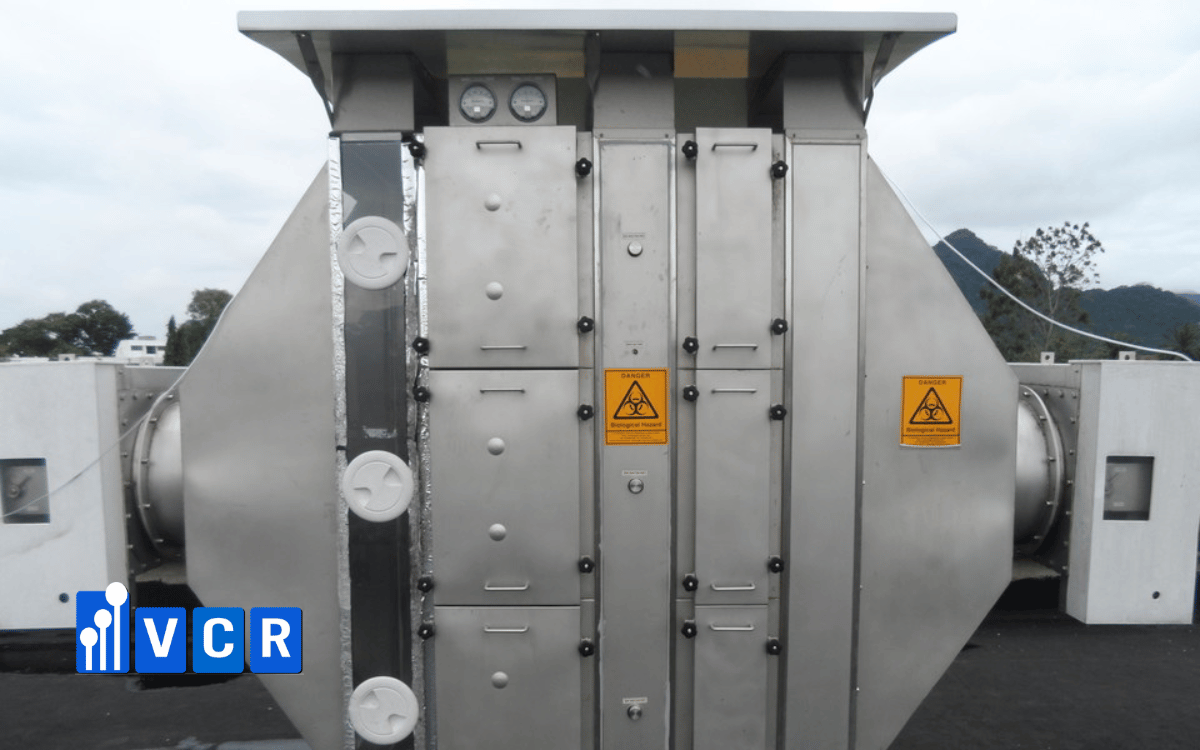
The key point to understand is that a Bag In Bag Out Filter System is not a type of filter that cleans air better than HEPA or ULPA filters. Its main value lies in the filter replacement method. After a filter has accumulated contaminants during operation, removing it directly may create a release risk in the maintenance area. With the Bag In Bag Out mechanism, the contaminated filter is handled within a bag, pulled into the bag, sealed, and only then removed from the system. This helps reduce direct contact and lowers the risk of secondary contamination.
In controlled environments, risks do not only appear during production or normal operation. Risks may also appear during maintenance, filter replacement, used-filter transport, and waste handling. Therefore, selecting the right Bag In Bag Out Filter System should be based on the risk of the contaminated filter, installation location, airflow type, contaminant type, containment requirements, service space, SOP, PPE, and project qualification criteria.
Why Is a Bag In Bag Out Filter System Important in Controlled Environments?
In controlled environments such as cleanrooms, pharmaceutical factories, biological laboratories, chemical zones, or production areas requiring contamination control, air filtration systems do not only keep the air clean during normal operation. They are also directly related to maintenance safety, operator protection, and risk control when system components need to be replaced.
After a period of operation, filters may accumulate many different types of contaminants. In pharmaceutical areas, these may include active ingredient dust or excipients. In biological areas, they may include microorganisms or aerosols. In chemical areas, they may include chemical dust, hazardous particles, or materials requiring control. While the filter remains inside the housing, the risk is contained within the system. But when the housing is opened and the filter is removed, the risk of release can increase.
If the filter is removed directly, dust or contaminants on the filter may fall, become airborne, or settle on gloves, garments, tools, or maintenance-area surfaces. The person replacing the filter may be exposed. The technical room or maintenance area may become secondarily contaminated. In some industries, even a small incident during filter replacement can affect safety, GMP documentation, or the facility’s operating plan.
A Bag In Bag Out Filter System is designed to control this sensitive stage. Instead of removing the contaminated filter in an open condition, the system allows the operator to attach a bag to the housing, remove the filter within the bag, pull the filter into the bag, seal it, and only then separate it from the system. As a result, contaminants on the filter have less opportunity to be released compared with direct filter replacement.
This is why a Bag In Bag Out Filter System is especially important in controlled environments requiring containment. Containment means the ability to control contaminants within an acceptable boundary. This system does not replace the entire safety strategy of the facility, but it is an important engineering control layer during filter replacement.
What Is a Bag In Bag Out Filter System?
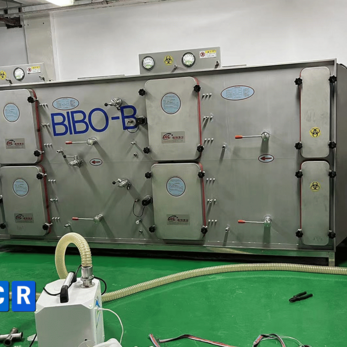
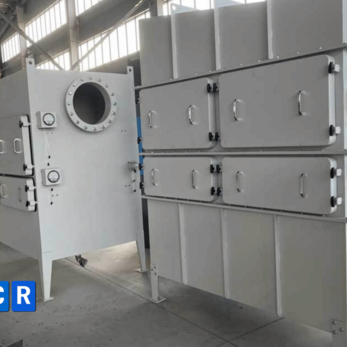
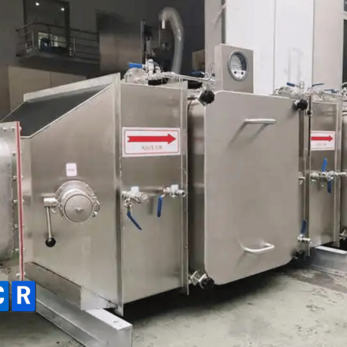
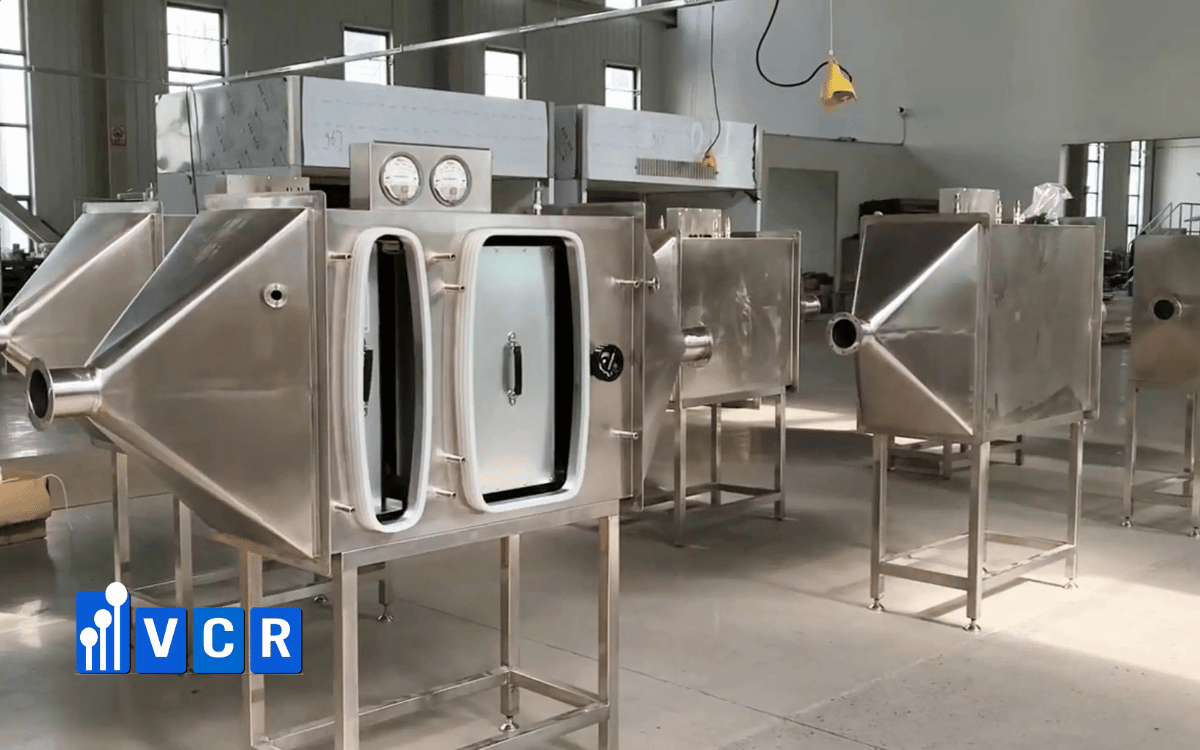
A Bag In Bag Out Filter System is a filtration system with a safe bag-based filter replacement mechanism. The term Bag In Bag Out can be understood as “in with a bag, out with a bag.” In practice, it is often abbreviated as BIBO. The system is commonly designed as BIBO Filter Housing, meaning a filter enclosure or filter box with a bag attachment mechanism for replacing contaminated filters under conditions that limit release.
Filter Housing means a filter enclosure or filter box in an air system. A standard Filter Housing holds the filter in the correct position, ensures that airflow passes through the filter, and supports filter replacement according to a standard procedure. BIBO Filter Housing is also a type of housing, but it includes an additional Bag In Bag Out mechanism for safer filter replacement.
It is important to emphasize that BIBO is not the HEPA filter itself. HEPA Filter stands for High Efficiency Particulate Air, meaning a high-efficiency air filter. A HEPA filter captures particles in the airflow. Meanwhile, a Bag In Bag Out Filter System is the system that houses the filter and supports contaminated filter removal using a bag. In other words, HEPA is the filtration component, while BIBO is the safer replacement mechanism.
Inside a Bag In Bag Out Filter System, different types of filters may be installed depending on project requirements. These may include HEPA filters, ULPA filters, pre-filters, carbon filters, or other specialized filtration stages. ULPA Filter stands for Ultra Low Penetration Air, meaning an air filter with extremely low particle penetration. A pre-filter is a primary or coarse filter. A carbon filter is an activated carbon filter. Each filter type has its own function, while BIBO controls how the filter is replaced after it becomes contaminated.
A Bag In Bag Out Filter System may also be known as Safe Change Housing, Safe Change Filter Housing, or Containment Filter Housing. Safe Change Housing means housing for safe filter replacement. Containment Filter Housing means housing that supports contaminant-release control. These names all emphasize the same point: the system does not only hold the filter; it also helps remove the contaminated filter from the system under safer conditions.
Why Is It Called Bag In Bag Out?
The name Bag In Bag Out directly describes the operating principle of the system. “Bag In” can be understood as bringing a bag or filter into a safe filter replacement process. “Bag Out” means removing the contaminated filter in a sealed bag. Both parts of the name revolve around the role of the bag during filter replacement.
In a standard filter replacement method, the operator may open the housing door, remove the contaminated filter, and take it out more directly. This method may be suitable if the filter contains only ordinary dust and the risk is low. However, if the filter may contain active ingredients, microorganisms, chemical dust, or hazardous contaminants, direct handling may create a release risk.
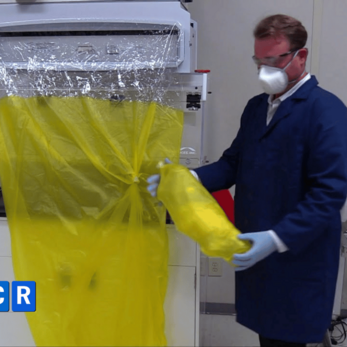
With a Bag In Bag Out Filter System, the bag is attached to the housing opening before the filter is removed. The operator works within the bag, pulls the contaminated filter into the bag, seals the bag, and only then removes the filter from the system. The contaminated filter is not exposed to the external environment in an open condition. This is the core idea of “Bag Out.”
This also shows that Bag In Bag Out does not mean the filter has higher filtration efficiency. A HEPA H14 filter installed inside BIBO remains a HEPA H14 filter. A HEPA H13 filter installed inside BIBO remains a HEPA H13 filter. The Bag In Bag Out mechanism does not increase filter grade, change filter media, or make the filter capture particles better. It makes contaminated filter replacement safer.
The name Bag In Bag Out also reminds us that the bag is not a secondary accessory. The bag is the central component of the operating principle. If the bag is incorrectly sized, too thin, easily torn, poorly clamped, or improperly sealed, the value of the system is greatly reduced. A system can only be considered a true Bag In Bag Out system when the bag, housing, clamping mechanism, procedure, and operator all work together correctly.
Basic Structure of a Bag In Bag Out Filter System
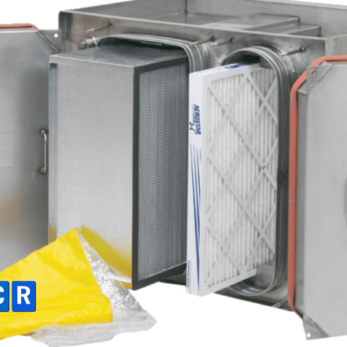
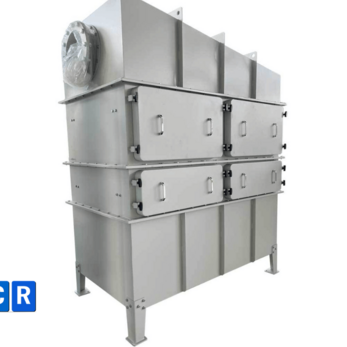
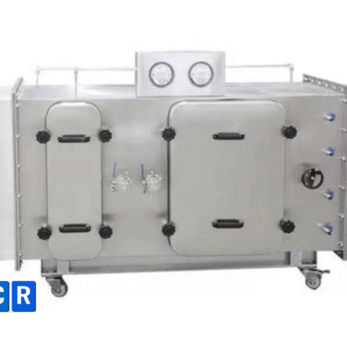
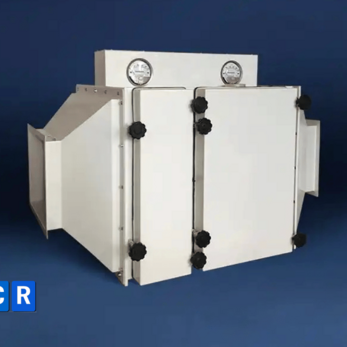
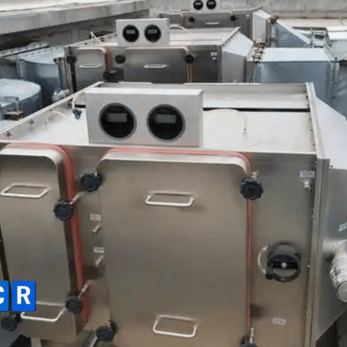
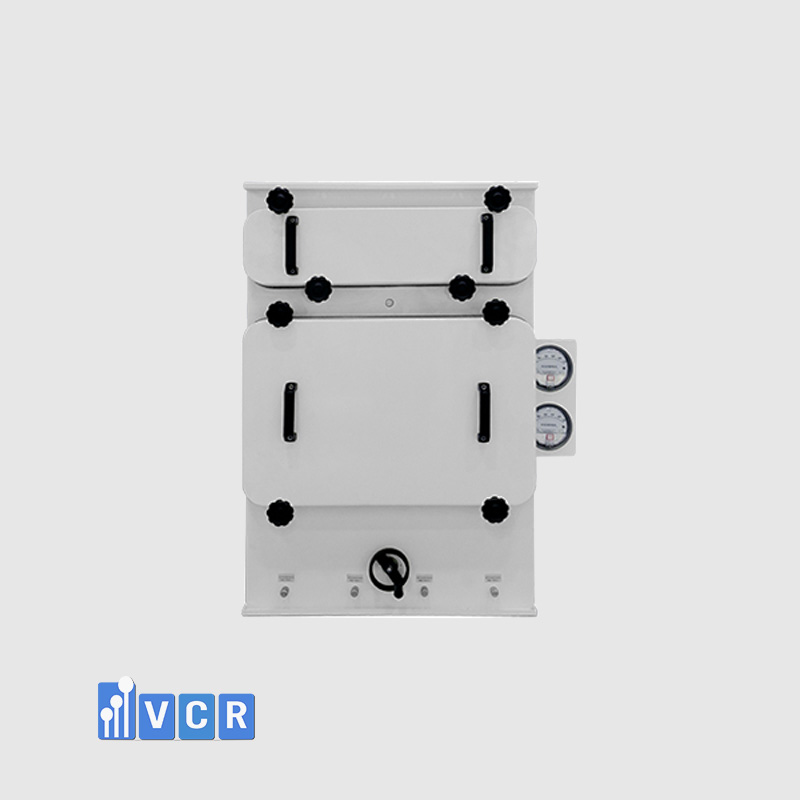
A Bag In Bag Out Filter System usually includes several components working together to ensure both air filtration and safe filter replacement. The first component is the housing body. The housing is the enclosure or box that holds the filter, keeping it inside the air system and connecting it to an AHU, ductwork, or air treatment section depending on the installation location.
The service door allows the operator to access the filter when replacement is required. In BIBO systems, the service door must be designed so that it can be opened within the bag without tearing the bag or obstructing the operation. If the door is too heavy, opens in the wrong direction, or is difficult to handle, the bag-out process may become risky.
The filter frame and filter compression mechanism hold the filter in the correct position. The compression mechanism must apply even force so the filter contacts the gasket properly. A gasket is a sealing component that helps prevent air from flowing through gaps instead of through the filter. If the gasket does not seal properly, air may bypass the filter, reducing actual filtration performance.
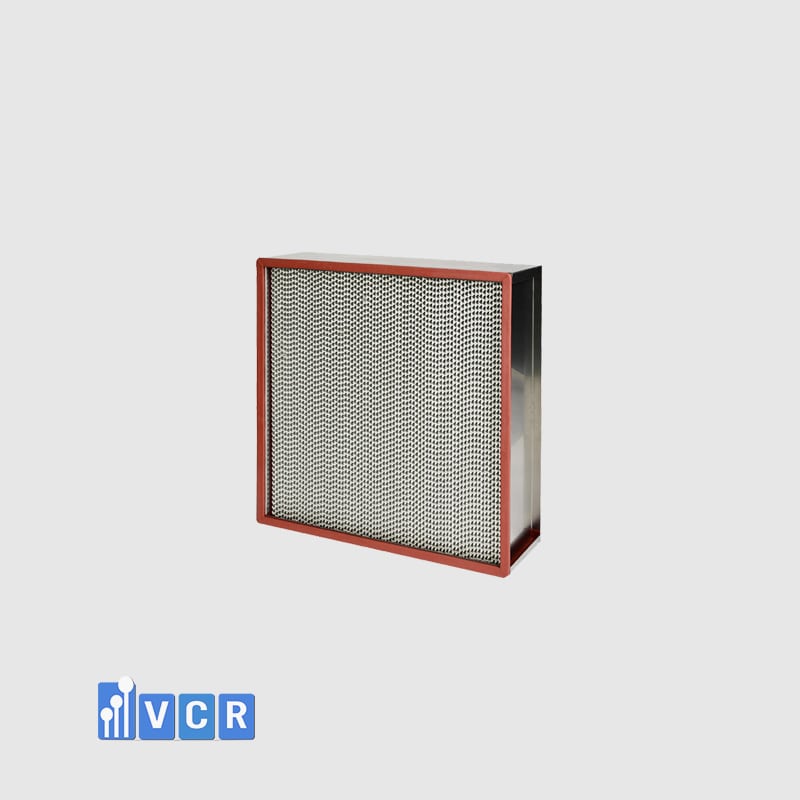
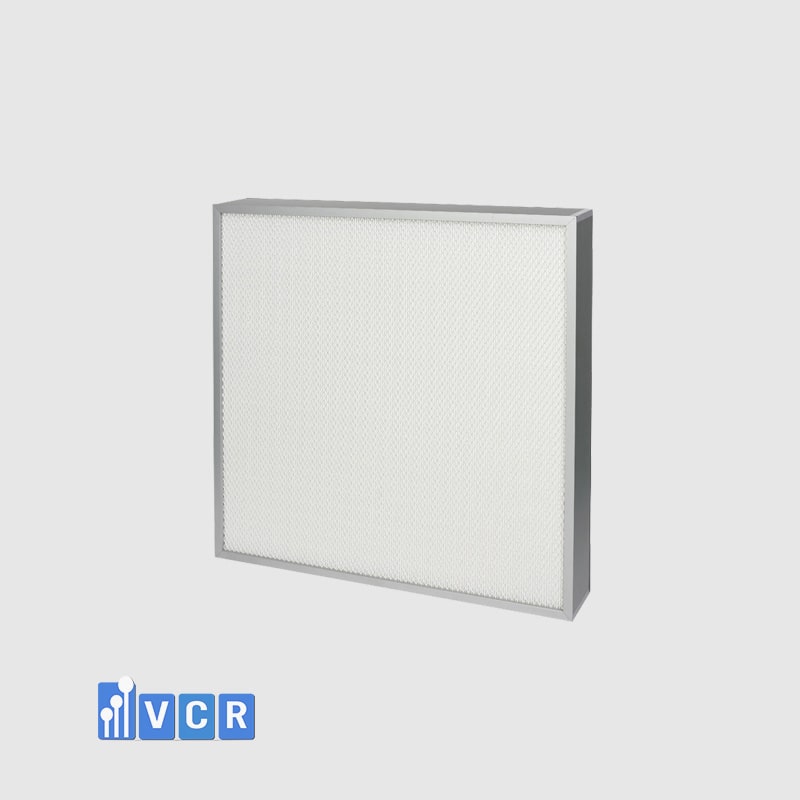
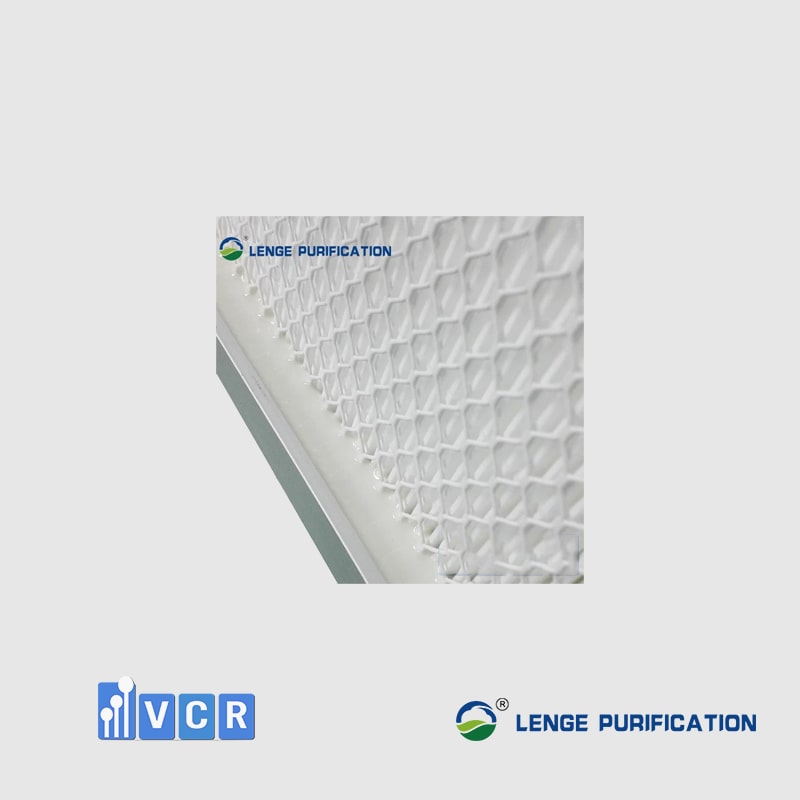
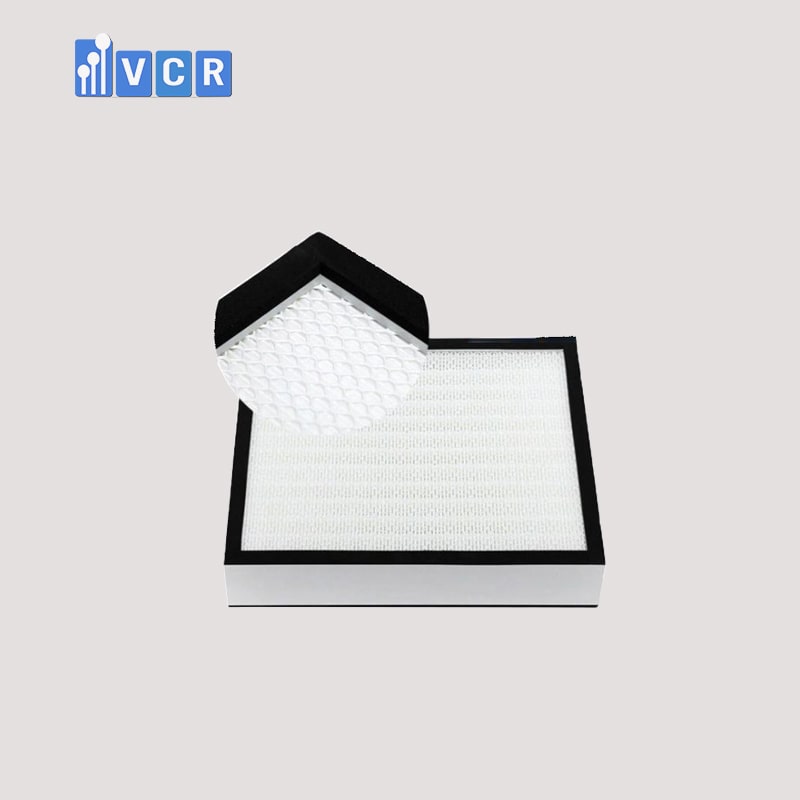
The filter installed inside may be a HEPA filter, ULPA filter, or another filter stage suitable for the project. HEPA Filter stands for High Efficiency Particulate Air. ULPA Filter stands for Ultra Low Penetration Air. Filter grade selection depends on particle-control requirements, airflow type, cleanliness class, and area risk.
The bag attachment opening is a defining feature of BIBO. This is where the bag is attached to the housing before filter replacement. The BIBO bag must match the filter size and be strong enough to contain the contaminated filter. The bag clamping ring or clamping mechanism secures the bag to the housing opening, preventing it from slipping or leaking during filter removal.
In addition, the system often includes a differential pressure gauge or differential pressure monitoring point. Differential pressure helps track filter loading. Some systems include test ports to support HEPA leak testing, scan testing, or DOP/PAO testing if required by the project. Ductwork is the air duct system that often connects BIBO to HVAC or AHU systems.
Overall, each component in a Bag In Bag Out Filter System has a specific role. The filter removes particles. The housing holds the filter. The gasket ensures tightness. The bag supports safe replacement. The test ports support qualification. If any of these components is unsuitable, overall system performance may be affected.
Operating Principle of a Bag In Bag Out Filter System
The operating principle of a Bag In Bag Out Filter System can be viewed in two states: normal operation and filter replacement. During normal operation, airflow passes through the filter inside the housing. The filter captures dust, particles, microorganisms, or contaminants depending on airflow characteristics and the selected filter grade.
During normal operation, the key requirement is that airflow must pass through the filter and not through gaps. Therefore, the housing, gasket, filter compression mechanism, and filter seating must ensure proper tightness. If bypass occurs, actual filtration performance will decrease even if the installed filter has a high grade.
After a period of operation, the filter gradually becomes contaminated. Differential pressure across the filter usually increases. When the replacement limit is reached or maintenance is required, the system enters the filter replacement state. This is where Bag In Bag Out provides its clearest value.
Before removing the filter, the operator attaches the BIBO bag to the housing opening. The bag must be secured using a clamping ring or bag-holding mechanism. Then the service door is opened within the bag. The operator releases the filter lock or compression mechanism and pulls the contaminated filter into the bag. Once the filter is inside the bag, the bag is sealed according to the SOP and only then separated from the housing.
SOP stands for Standard Operating Procedure. The SOP must clearly define how to attach the bag, pull the filter, seal the bag, handle the used filter, and perform post-replacement checks. If the operation does not follow the SOP, release risk may still occur.
The core difference between a Bag In Bag Out Filter System and standard housing is that the system controls the stage when the filter leaves the housing. The contaminated filter is not removed in an open condition. It is placed into a bag, sealed, and then removed. This helps reduce release and exposure risks during maintenance.
How Is a Bag In Bag Out Filter System Different From Standard Filter Housing?
Standard Filter Housing is a filter enclosure or box in an air system. It holds the filter in the correct position, ensures airflow passes through the filter, and supports filter replacement when required. In standard Filter Housing, operators usually open the housing door and remove the filter more directly.
A Bag In Bag Out Filter System is also a type of filter housing, but it includes a safe bag-based filter replacement mechanism. The main difference is not that BIBO filters air better, but how the contaminated filter is removed from the system. BIBO allows the filter to be pulled into a bag, sealed, and then removed.
If the contaminated filter contains only ordinary dust, has no hazardous contaminants, and exposure risk is low, standard Filter Housing may be sufficient. In this case, a standard replacement procedure, suitable PPE, and post-maintenance cleaning can meet operational requirements.
However, if the contaminated filter may contain active ingredients, toxic dust, microorganisms, chemicals, or aerosols, direct removal may not be suitable. Aerosols are airborne droplets or particles suspended in air. When the housing is opened and the filter is pulled out, contaminants on the filter may be released. In this situation, a Bag In Bag Out Filter System has a clear advantage.
Another difference is the requirement for space and SOP. Standard Filter Housing is usually simpler to operate. BIBO requires additional space to attach the bag, pull the filter, seal the bag, and remove the used filter. BIBO also requires a more detailed SOP and trained operators.
Therefore, BIBO should not be viewed as a universally better version of standard Filter Housing. The suitable device depends on the risk of the filter after operation. If the risk is low, standard housing may be more optimal. If the risk is high, BIBO should be considered.
How Is a Bag In Bag Out Filter System Different From a HEPA Box?
A HEPA Box is a HEPA filter box, usually installed at the final clean air supply point into a cleanroom. It is commonly located on the ceiling or at the supply air outlet, delivering HEPA-filtered clean air into the controlled area. A HEPA Box focuses on clean air supply and maintaining cleanroom cleanliness.
A Bag In Bag Out Filter System has a different purpose. It focuses on safer contaminated filter replacement, especially in locations with higher filter replacement risk. BIBO is commonly considered on exhaust air paths, return air paths, AHUs, or ductwork serving high-risk areas. Exhaust air is air extracted from the area. Return air is air sent back to the air handling system.
The point that often causes confusion is that both HEPA Box and BIBO may contain HEPA filters. However, containing a HEPA filter does not mean they have the same function. A HEPA Box usually serves final clean air supply. BIBO serves contaminant-release control during contaminated filter replacement. A clean air supply device may have a HEPA filter but no Bag In Bag Out mechanism. Conversely, a BIBO unit may contain a HEPA filter but is not necessarily used for final clean air supply into a room.
If the goal is clean air supply into a cleanroom, a HEPA Box is usually suitable. If the goal is safe bag-based replacement of a high-risk contaminated filter, BIBO is more suitable. If contractors or investors confuse these two devices, the project may select the wrong equipment for the application.
A simple example is a pharmaceutical factory where HEPA Boxes may be installed on the production room ceiling to supply clean air. BIBO may be installed on the exhaust air path from an active ingredient handling area to support safer contaminated filter replacement. Both are related to HEPA filtration, but their roles in the system are different.
Therefore, in technical communication, equipment should be named according to its function: HEPA Box for final clean air supply, Filter Housing for general filter enclosures, and BIBO Filter Housing for safe bag-based filter replacement systems.
Applications of Bag In Bag Out Filter Systems in Cleanrooms
In cleanrooms, Bag In Bag Out Filter Systems are usually used in locations where filters after operation may become a risk source when removed from the system. Common locations include exhaust air paths, return air paths, AHUs, or ductwork serving areas with contaminant-release risk.
HVAC stands for Heating, Ventilation and Air Conditioning. AHU stands for Air Handling Unit. In cleanroom HVAC systems, filters may appear in many different locations, not only at the final air supply point. If that location is associated with risk airflow, BIBO may be considered.
In pharmaceutical cleanrooms, BIBO is commonly considered in areas involving active ingredients, high-risk raw material dispensing, special product manufacturing, or exhaust air from powder handling areas. In cosmetics and functional food production, BIBO may be used in areas involving fine powder, easily dispersible raw materials, or higher cross-contamination control requirements.
In electronics or precision industries, BIBO is not always necessary because the main risk is often particle control and product protection. However, if special materials or processes generate hazardous dust, the system may still be considered based on risk assessment.
In laboratories, BIBO may be used on exhaust air systems or filter sections serving areas where hazardous samples are handled. If the filter may capture biological agents, chemicals, or aerosols, safe bag-based replacement helps reduce risk for maintenance personnel.
Therefore, the application of a Bag In Bag Out Filter System does not depend only on the cleanroom class. A high-grade cleanroom may not need BIBO at every location. Conversely, a technical area or exhaust air path outside the main cleanroom may still need BIBO if the contaminated filter is high risk. The decision should be based on airflow, contaminant type, and replacement risk.
Applications in Pharmaceuticals, API, and GMP
In pharmaceutical factories, Bag In Bag Out Filter Systems are especially meaningful in areas with active ingredient dust release risk. API stands for Active Pharmaceutical Ingredient. When handling powdered APIs, active ingredient dust may enter exhaust, return air, or extraction systems and be captured by filters. After operation, these filters may become an exposure source if removed directly.
GMP stands for Good Manufacturing Practice. In a GMP environment, contamination control is not limited to production. It also applies to maintenance activities. Filter replacement is a risk activity because the contaminated filter may contain what the system has captured. If replacement is not controlled, operator exposure or secondary contamination in the technical area may occur.
BIBO reduces this risk by placing the contaminated filter into a bag before separating it from the housing. The bag is sealed, labeled, and handled according to the appropriate procedure. This is especially important in API areas, potent compound areas, cytotoxic drug areas, dispensing areas, or exhaust systems that may contain active ingredient dust.
In GMP, BIBO selection must be linked with documentation and traceability. The facility needs to know which filter was installed, when it was replaced, who replaced it, which SOP was followed, whether suitable PPE was used, how the used filter bag was handled, and whether post-replacement testing was performed. Therefore, BIBO is not only mechanical equipment; it is also part of the operating control system.
However, not every location in a GMP facility requires BIBO. If the filter is on a low-risk clean air supply path and mainly contains environmental dust, standard housing may be more suitable. BIBO should be prioritized for locations where filters after operation may contain active ingredients or contaminants requiring containment.
Applications in Biology, Chemicals, and Laboratories
In biological environments, Bag In Bag Out Filter Systems are commonly considered when filters may capture microorganisms, biological aerosols, or agents related to hazardous samples. Biosafety means biological safety. Aerosols are airborne droplets or particles suspended in air. If the filter is installed on an exhaust air path from a biological handling area, direct filter removal may create risk for maintenance personnel.
BIBO helps reduce this risk by enclosing the filter before removal. However, in some biological applications, BIBO may need to be combined with decontamination or biological waste handling procedures. BIBO helps control the filter removal operation, but it does not replace decontamination requirements if the procedure or risk assessment requires them.
In chemical environments, BIBO is suitable when filters may contain chemical dust, toxic particles, or high-risk materials. If the filtration system captures hazardous particles, safe bag-based replacement helps reduce dust release into the maintenance area. After bag-out, the used filter bag must be labeled and handled according to chemical safety requirements.
However, a clear distinction is needed: if the main risk is toxic gas or chemical vapor, BIBO is not the primary gas treatment solution. In that case, a specialized gas treatment system such as adsorption, absorption, neutralization, or another suitable technology is required. BIBO only supports safer replacement of filters that may contain contaminants requiring control.
In laboratories, BIBO may appear in exhaust systems, filter sections, or air treatment equipment serving sample-handling areas. Because laboratories may change samples, processes, and risk levels, the decision to use BIBO should be based on specific risk assessment rather than the room name alone.
Overall, in biology, chemicals, and laboratories, the value of BIBO lies in reducing maintenance risk. It helps better control the moment when the contaminated filter leaves the housing, which is one of the stages most likely to create exposure if handled incorrectly.
When Should a Bag In Bag Out Filter System Be Used?
A Bag In Bag Out Filter System should be used when filters after operation may contain hazardous contaminants and direct filter removal may cause release or exposure. This is the most important principle. Not every HEPA location requires BIBO, but high-risk filter points should be seriously considered.
BIBO is suitable for areas involving pharmaceutical active ingredients, toxic dust, microorganisms, aerosols, chemicals, cytotoxic drugs, or high-risk materials. If the filter is installed on an exhaust air or return air path from these areas, the filter after operation may accumulate contaminants requiring control. In that case, safe bag-based filter replacement is a reasonable solution.
BIBO should also be considered when used filters must be handled as hazardous waste. If the filter after removal must be labeled, packaged, transported, and disposed of according to special procedures, placing it into a sealed bag at the removal step helps better control the process.
Another case is when filter replacement personnel may be exposed. Maintenance personnel are usually the closest people to the contaminated filter. If the filter contains hazardous contaminants, PPE remains necessary, but BIBO adds an engineering control layer by limiting direct exposure between the filter and the external environment.
BIBO is also useful when the maintenance area may become secondarily contaminated. If dust from the contaminated filter falls onto the floor, tools, or surrounding surfaces, the technical area may become a secondary release point. Bag In Bag Out helps reduce this risk by enclosing the filter before transport.
The decision to use BIBO should be based on risk assessment. Risk assessment should consider airflow type, contaminant type, filter location, replacement personnel, used-filter handling, containment requirements, and qualification requirements. If the risk is low, standard housing may be sufficient. If the risk is high, BIBO is a solution worth considering.
Important Technical Requirements for a Bag In Bag Out Filter System
An effective Bag In Bag Out Filter System must be designed as a safe filter replacement system, not merely a filter box. The first requirement is housing material. The housing must suit the operating environment, have adequate mechanical strength, cleanability, and corrosion resistance. In cleanrooms or GMP environments, surfaces should limit hard-to-clean crevices, sharp edges, and dust accumulation points.
The second requirement is tightness. The housing, service door, gasket, filter seating position, ductwork connections, and bag attachment opening must be controlled to limit leakage. If the housing is not tight, air may bypass the filter or contaminants may escape during filter replacement. For BIBO, tightness is directly related to containment capability.
The third requirement is compatibility with the HEPA, ULPA, or other required filter stage. Filter grade, dimensions, airflow, initial resistance, final resistance, airflow direction, frame material, gasket position, and leak-testing capability must be defined. BIBO does not replace the need to select the correct filter.
The fourth requirement is the BIBO bag and bag clamping mechanism. The bag must be correctly sized, strong enough, and compatible with the filter weight and contaminant type. The clamping mechanism must be secure, easy to operate, and free from gaps. If the bag or clamp is unsuitable, the Bag In Bag Out principle will not be effective.
The fifth requirement is the service door, filter lock, and filter compression mechanism. These components must be secure during normal operation but convenient during filter replacement within the bag. If the filter lock is too difficult to open or the compression mechanism is too stiff, the operator may use excessive force, increasing the risk of bag tearing or filter impact.
The sixth requirement is differential pressure and test ports. The differential pressure gauge helps monitor filter condition. Test ports support HEPA leak testing, scan testing, or DOP/PAO testing if required by the project. These points must be accessible and suitable for qualification criteria.
The final requirement is maintenance space. BIBO requires enough clearance to attach the bag, pull the filter, seal the bag, and remove the used filter. If space is insufficient, the equipment may meet technical specifications but fail to operate according to the intended principle.
SOP, PPE, and Training Requirements for BIBO Operation
A Bag In Bag Out Filter System is effective only when operated according to a clear SOP by trained personnel. SOP stands for Standard Operating Procedure. The SOP must define all steps before, during, and after filter replacement.
Before replacement, the SOP should specify preparation conditions: area check, bag preparation, bag inspection, tool preparation, PPE preparation, system condition confirmation, and whether the fan must be stopped or the system isolated. PPE stands for Personal Protective Equipment. Depending on the risk, PPE may include gloves, masks, goggles, protective garments, or respiratory protection.
During replacement, the SOP must define how to attach the bag to the housing, how to check the bag clamping mechanism, how to open the service door, how to release the filter lock, how to pull the filter into the bag, how to seal the bag, and how to separate the bag from the housing. Each step must be clear so operators perform the process consistently each time.
After replacement, the SOP should state how to handle the used filter, install the new filter, inspect the housing again, monitor differential pressure, record documentation, and respond to abnormalities. If the new filter requires leak testing, the SOP should link to the qualification or re-testing procedure.
BIBO does not replace PPE. This point must be emphasized. Even though the filter is placed into a bag, the operator may still face risk if the bag tears, the clamp is not tight, the filter is stuck, or the operation is incorrect. PPE must be selected according to the risk assessment of the contaminated filter.
Training is also very important. Operators need to understand the Bag In Bag Out principle, not only memorize the steps. They must know why the filter should not be removed directly, why the bag must be sealed before separation from the housing, and how to respond to incidents such as bag tearing, loose clamping, or suspected release. A well-designed BIBO system can still create risk if operators are not trained.
Qualification and Testing of a Bag In Bag Out Filter System
Qualification of a Bag In Bag Out Filter System should not stop at visual inspection and filter verification. Because the main value of the system lies in safe bag-based filter replacement, qualification should assess the equipment, filter, tightness, test ports, and Bag In Bag Out operation under real conditions.
First, appearance, dimensions, materials, and installation location should be checked. The housing must match the drawings, have no deformation, have suitable surface finish, have a stable service door, and have secure ductwork connections. The installation location must provide enough maintenance space.
Next, the filter and tightness should be checked. The filter must have the correct grade, dimensions, airflow direction, and be compressed properly against the gasket. The gasket must not be cracked, displaced, or unable to seal. The service door, connection points, and bag attachment opening should be checked to limit leakage.
If required by the project, HEPA leak testing, scan testing, or DOP/PAO testing should be performed. HEPA leak testing checks for leakage in the HEPA filter. Scan testing is filter leak scanning. DOP/PAO testing uses test aerosol. These tests help confirm that the filter and filter seating meet requirements.
A very important point is simulated filter replacement. The qualification team should check whether the operator can attach the bag, open the door, release the filter, pull the filter into the bag, seal the bag, and remove it. If simulated operation is already difficult, real replacement with a contaminated filter will carry higher risk.
Qualification should also check the differential pressure gauge, test ports, and access. If the gauge is difficult to observe or test ports are blocked, long-term operation will be difficult. In GMP or controlled environments, qualification results should be clearly documented for traceability and audits.
A compliant BIBO system is not only one with a passing filter. It must be a system that can be operated, serviced, tested, and maintained according to its risk-control objective.
Common Mistakes When Selecting a Bag In Bag Out Filter System
The first mistake is confusing BIBO with a HEPA Filter. BIBO is not the filter. BIBO is a housing system with a safe bag-based replacement mechanism. If this is misunderstood, selection may focus on filter grade while overlooking safe replacement capability.
The second mistake is selecting BIBO without considering risk. BIBO is not necessary for every filter location. If BIBO is used everywhere, the project may incur unnecessary cost. Conversely, if BIBO is not used in high-risk contaminated filter locations, release risk may increase.
The third mistake is not allowing service space. BIBO needs space to attach the bag, pull the filter, seal the bag, and remove the used filter. If the equipment is installed too close to a wall, too high, or blocked by ductwork, the Bag In Bag Out operation will be difficult to perform correctly.
The fourth mistake is selecting the wrong bag size or unsuitable bag. A bag that is too small, too thin, or easy to tear will reduce the containment value of the system. The bag must match the filter, contaminant type, and used-filter disposal procedure.
The fifth mistake is ignoring housing tightness. A good HEPA filter with poor housing tightness may still lead to bypass or leakage. With BIBO, tightness also affects the filter replacement stage.
The sixth mistake is missing test ports or having test ports that are hard to access. This creates difficulties for qualification, leak testing, and re-testing after filter replacement.
The seventh mistake is not having an SOP and not training operators. BIBO is not automatically safe if operators handle it incorrectly. SOP, PPE, and training are inseparable parts of the system.
The final mistake is having no used-filter disposal plan. After bag-out, the contaminated filter bag still needs to be labeled, transported, stored, and disposed of correctly. If this step is ignored, risk may transfer to the post-replacement stage.
Criteria for Selecting the Right Bag In Bag Out Filter System
The first criterion for selecting the right Bag In Bag Out Filter System is installation location. Will the system be installed on exhaust air, return air, supply air, inside an AHU, or on ductwork? Is the location related to a high-risk contaminated filter? Is there enough access space for operators to replace the filter?
The second criterion is airflow type. Supply air is air delivered into the room. Return air is air sent back to the air handling system. Exhaust air is air extracted from the area. If the airflow is exhaust or return air from an area involving active ingredients, microorganisms, or chemicals, the contaminated filter risk should be carefully assessed. If the airflow is low-risk clean supply air, BIBO may not be necessary.
The third criterion is contaminated filter risk. It is necessary to determine what the filter may contain after operation, whether it should be handled as hazardous waste, whether replacement personnel may be exposed, and whether containment is required. This is the most important decision basis.
The fourth criterion is filter grade, airflow rate, and pressure. HEPA, ULPA, or another filter stage must be determined, along with filter dimensions, design airflow, resistance, and system pressure. BIBO must match the full aerodynamic condition, not only the filter size.
The fifth criterion is housing material and tightness. The material must be suitable for the operating environment, cleaning requirements, and contaminant type. The housing, door, gasket, connection points, and filter seating position must provide suitable tightness.
The sixth criterion is the BIBO bag and bag clamping mechanism. The bag must be large enough, strong enough, and compatible with the used-filter handling procedure. The clamping mechanism must be secure, easy to operate, and checked during simulated replacement.
The seventh criterion is test ports, differential pressure gauges, and qualification capability. If the project requires HEPA leak testing or scan testing, the equipment must support these tests. Differential pressure gauges must be easy to observe for operational monitoring.
The final criterion is SOP, PPE, used-filter disposal, and life-cycle cost. BIBO cost includes not only the equipment, but also bags, training, testing, maintenance, and used-filter disposal. As a cleanroom equipment supplier for cleanroom contractors, VCR Cleanroom Equipment can support consultation on selecting suitable Bag In Bag Out Filter Systems for HVAC systems, AHUs, ductwork, exhaust air, return air, and areas requiring filter replacement risk control.
FAQ – Frequently Asked Questions About Bag In Bag Out Filter Systems
Question: What is a Bag In Bag Out Filter System?
A Bag In Bag Out Filter System is a filtration system with a safe bag-based filter replacement mechanism. The contaminated filter is pulled into a bag, sealed, and only then removed from the housing, helping reduce contaminant release during filter replacement.
Question: Is BIBO a HEPA Filter?
No. BIBO is not a HEPA Filter. BIBO is a housing system that supports safe bag-based filter replacement. A HEPA Filter is a high-efficiency air filter that may be installed inside BIBO.
Question: How is Bag In Bag Out different from standard Filter Housing?
Standard Filter Housing usually allows filter replacement by opening the housing and removing the filter more directly. A Bag In Bag Out Filter System has a bag attachment mechanism that allows the contaminated filter to be pulled into a bag and sealed before removal.
Question: How is Bag In Bag Out different from a HEPA Box?
A HEPA Box is usually a final HEPA filter box for clean air supply into a cleanroom. A Bag In Bag Out Filter System is housing with a safe bag-based filter replacement mechanism, commonly used in locations with high filter replacement risk.
Question: Does BIBO increase HEPA filtration efficiency?
No. BIBO does not increase HEPA filtration efficiency. Filtration efficiency depends on the filter installed inside. BIBO only makes contaminated filter replacement safer.
Question: When should BIBO be used?
BIBO should be used when filters after operation may contain active ingredients, toxic dust, microorganisms, chemicals, aerosols, or hazardous contaminants and need to be replaced under conditions that limit release.
Question: Where is BIBO commonly used in cleanrooms?
BIBO is commonly used on exhaust air paths, return air paths, AHUs, ductwork, or filter sections serving high-risk areas such as pharmaceutical API, biological, chemical, or laboratory zones.
Question: What is the role of the BIBO bag?
The BIBO bag encloses the contaminated filter before it is removed from the housing. It is the central component that helps reduce release during filter replacement.
Question: Does BIBO need HEPA leak testing?
If the project requires HEPA leak testing after installation or filter replacement, BIBO must support HEPA leak testing. The equipment should have suitable test ports and access.
Question: Does BIBO filter replacement require PPE?
Yes. BIBO does not replace PPE. Operators still need personal protective equipment suitable for the contaminated filter risk and the facility SOP.
Question: How should the used filter be handled after bag-out?
After bag-out, the used filter should be labeled, transported, temporarily stored, and disposed of according to contaminant type. If it contains active ingredients, microorganisms, or chemicals, suitable waste procedures must be followed.
Question: What should contractors consider when selecting BIBO?
Contractors should evaluate installation location, airflow type, contaminated filter risk, filter grade, airflow rate, housing tightness, BIBO bag, bag clamping mechanism, maintenance space, test ports, SOP, and used-filter disposal plan.
Conclusion: Bag In Bag Out Filter System Is a Risk-Control Solution During Filter Replacement
A Bag In Bag Out Filter System is not a solution for increasing filter grade. It is a solution that makes contaminated filter replacement safer in controlled environments. The system’s main value lies in placing the contaminated filter into a bag, sealing it, and removing it from the housing under conditions that limit release. This is especially important when filters after operation may contain active ingredients, microorganisms, chemicals, toxic dust, aerosols, or contaminants requiring containment.
BIBO is not necessary for every filter location, but it is worth considering at high-risk filter points such as exhaust air, return air, AHUs, ductwork, or pharmaceutical, biological, chemical, and laboratory areas. Selecting the right BIBO requires risk assessment, installation location review, airflow type, filter configuration, tightness, bag selection, service space, SOP, PPE, and used-filter disposal planning.
A suitable Bag In Bag Out system not only reduces operator risk, but also helps controlled environments maintain a more stable state throughout the operating life cycle.