- Why Not Every Cleanroom Needs BIBO
- What Is BIBO – Bag In Bag Out?
- The Principle for Deciding Whether BIBO Is Needed
- Case Requiring BIBO: Filters May Contain Toxic Dust or High-Risk Particles
- Case Requiring BIBO: Pharmaceutical API Handling Areas
- Case Requiring BIBO: Biosafety Laboratories and Microbiological Agents
- Case Requiring BIBO: Exhaust Air Systems from High-Risk Areas
- Case Requiring BIBO: Return Air Paths That May Carry Contaminants
- Case Requiring BIBO: Cytotoxic Drug Production or Highly Potent Products
- Case Requiring BIBO: Used Filters Classified as Hazardous Waste
- When a Cleanroom May Not Need BIBO
- Quick Comparison: Using BIBO vs. Standard HEPA Housing
- Questions to Answer Before Deciding to Use BIBO
- Criteria for Selecting a Suitable BIBO System After Confirming It Is Needed
- Key Considerations When Installing BIBO in Cleanrooms
- What Should Be Checked During BIBO Qualification and Inspection?
- Common Mistakes When Deciding Whether to Use BIBO
- FAQ – Frequently Asked Questions About When Cleanrooms Need BIBO
- Conclusion: Cleanrooms Need BIBO When Used-Filter Risk Exceeds Standard Replacement Control
A BIBO – Bag In Bag Out system is used in cleanrooms when HEPA filters, ULPA filters, or other air filters after operation may contain toxic dust, microorganisms, pharmaceutical active ingredients, chemicals, aerosols, or contaminants that need to be controlled. It is a safe bag-based filter replacement solution that helps reduce contaminant release during contaminated filter removal and supports the protection of operators, maintenance areas, and the surrounding environment.
In many cleanroom systems, air filters are often viewed as components used to control particles and dust during operation. However, after a period of use, the filter is no longer a clean component as it was when first installed. It has become the place where the contaminants captured by the system have accumulated. When filter replacement is required, if the filter is removed directly, contaminants on the filter may be released into the surrounding area.
Therefore, the question “When does a cleanroom need BIBO?” should not be answered simply by looking at the name of the cleanroom or its cleanliness class. The more important factor is the risk of the used filter after operation. If the filter only captures ordinary environmental dust, the risk is low, and a standard filter replacement procedure is safe enough, standard HEPA housing may be suitable. But if the filter may contain hazardous contaminants, BIBO should be considered as part of the containment strategy, meaning the ability to control contaminants within an acceptable boundary.
Why Not Every Cleanroom Needs BIBO
Not every cleanroom needs to use a BIBO system. This should be clarified from the beginning because BIBO is often seen as a more “advanced” solution than standard HEPA housing. In reality, BIBO is not mandatory for every area that uses a HEPA filter, nor is it a default requirement for all GMP cleanroom systems.
In many cleanrooms, HEPA filters are used to supply clean air, capture environmental dust, or maintain the required cleanliness level for the production area. If the used filter mainly contains ordinary dust and does not contain hazardous active ingredients, high-risk microorganisms, dangerous chemicals, or contaminants requiring containment, filter replacement can often be controlled using standard maintenance procedures. In this case, standard HEPA housing may be sufficient in terms of technical performance, cost, and operation.
However, there are cleanrooms where the used filter is no longer a low-risk item. For example, filters installed on exhaust air lines from active ingredient handling areas, high-risk raw material weighing rooms, biosafety laboratories, or chemical processing areas may accumulate hazardous contaminants. In such cases, direct filter removal may release dust or contaminants into the maintenance area, affecting operators and causing secondary contamination.
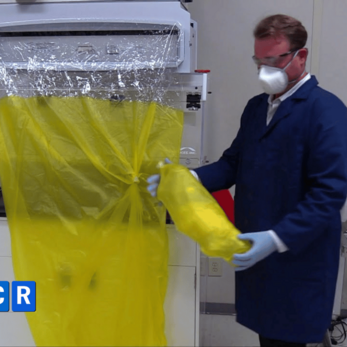
BIBO should be understood as a risk-control solution during the filter replacement stage. It does not make the HEPA filter itself filter better, but it makes contaminated filter removal safer. Operators can place the contaminated filter into a bag, seal the bag, and only then remove the filter from the housing. This mechanism helps reduce direct contact and lowers the possibility of contaminant release.
Therefore, the decision to use BIBO should not be based on the assumption that the equipment is more modern or advanced. It also should not be rejected only to reduce initial investment cost. The correct approach is to assess the risk of the used filter: what the filter has captured, how hazardous the contaminant is, whether it may be released during removal, whether the operator may be exposed, and how the used filter will be disposed of.
What Is BIBO – Bag In Bag Out?
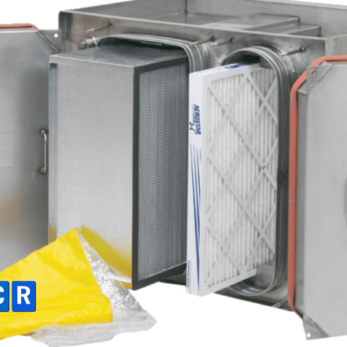
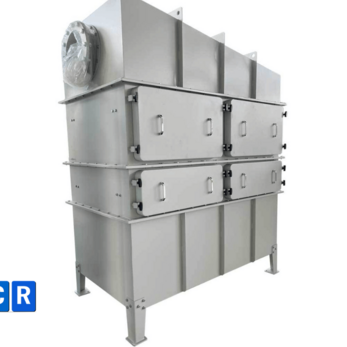
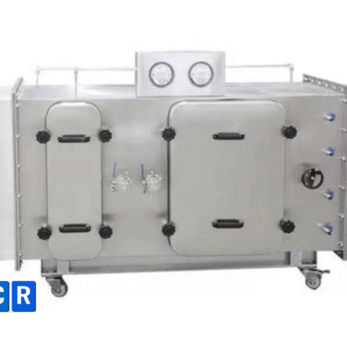
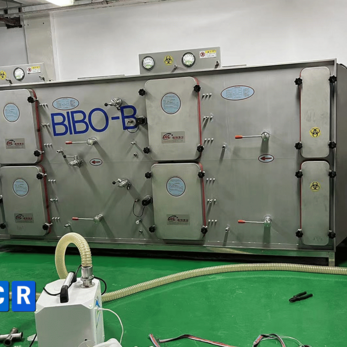
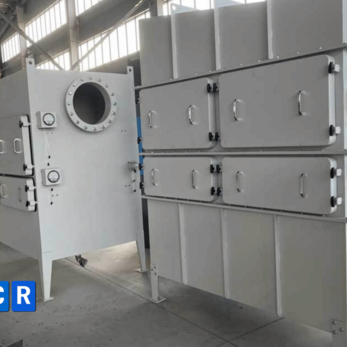
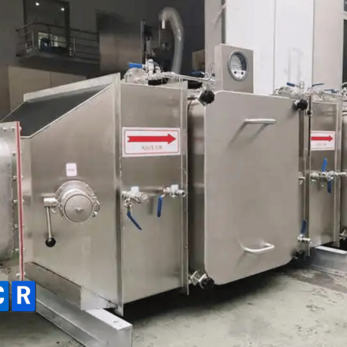
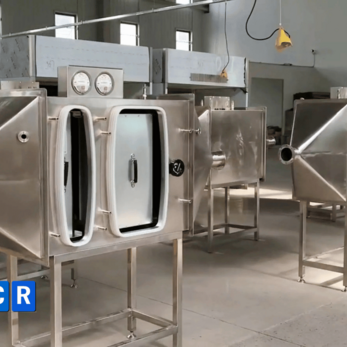
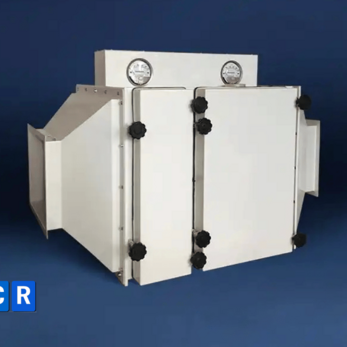
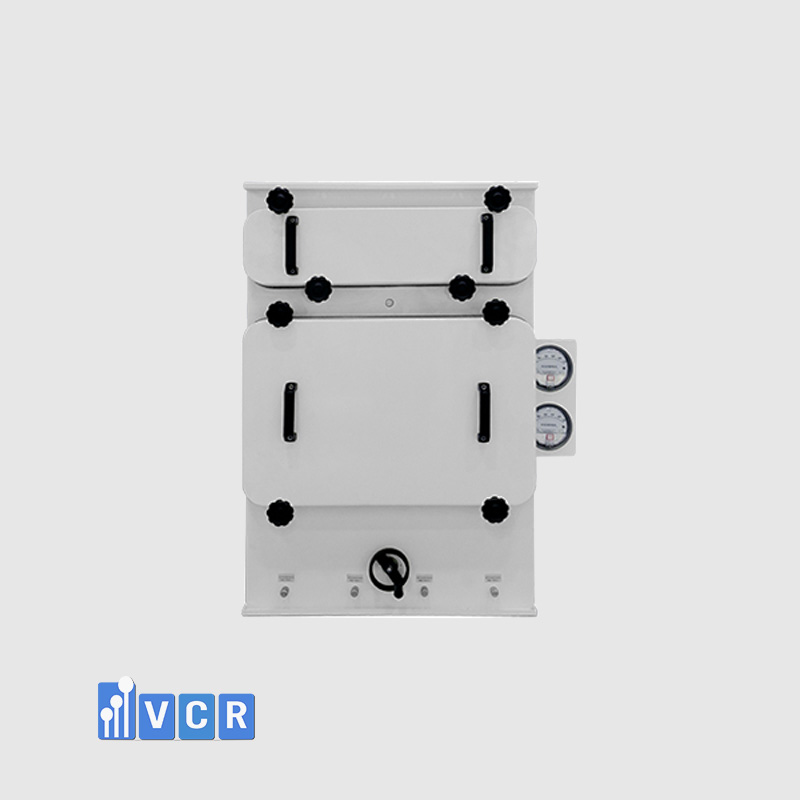
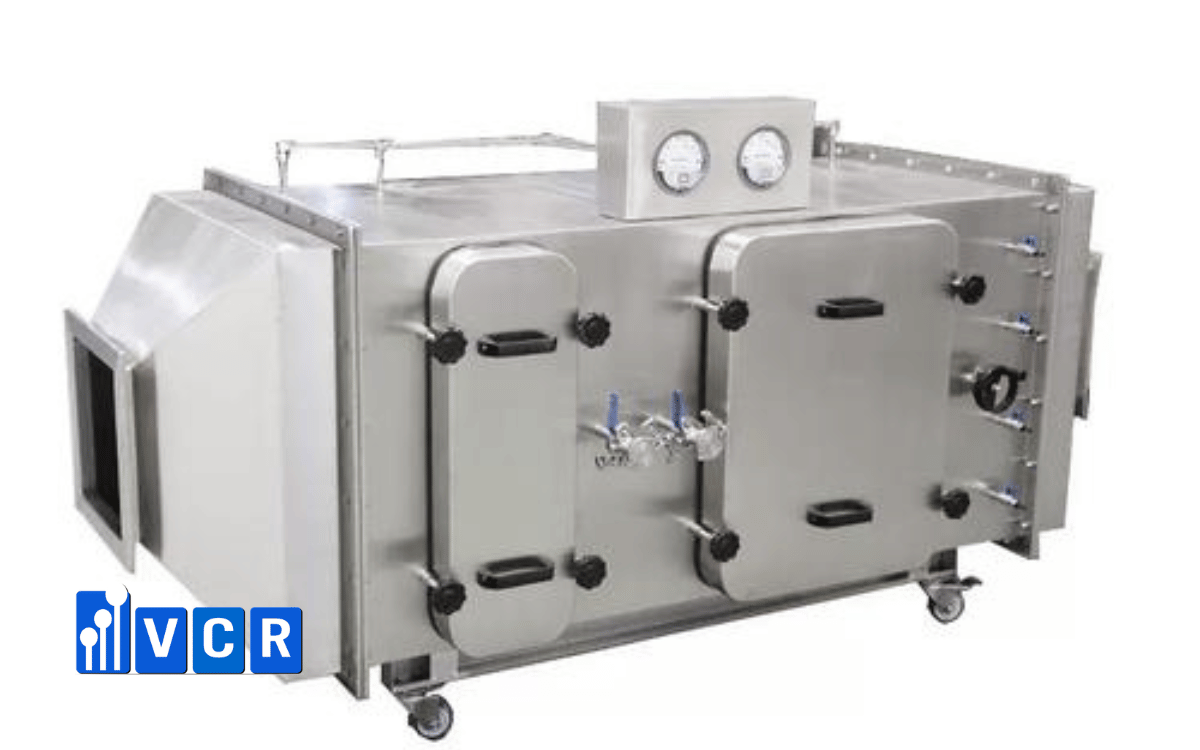
BIBO stands for Bag In Bag Out, which can be understood as a safe filter replacement system using bags. “Bag In” may be understood as bringing a bag or a new filter into a safe handling process. “Bag Out” means removing the contaminated filter in a sealed bag. In cleanrooms, BIBO is commonly used as BIBO Filter Housing, meaning a filter enclosure or filter box with a bag-based replacement mechanism.
BIBO is not the HEPA filter itself. HEPA Filter stands for High Efficiency Particulate Air, meaning a high-efficiency air filter. A HEPA filter captures particles in the airflow. BIBO is the housing or system that helps replace that filter more safely after it becomes contaminated. In other words, the HEPA filter is the filtration component, while BIBO is the containment and safe replacement mechanism.
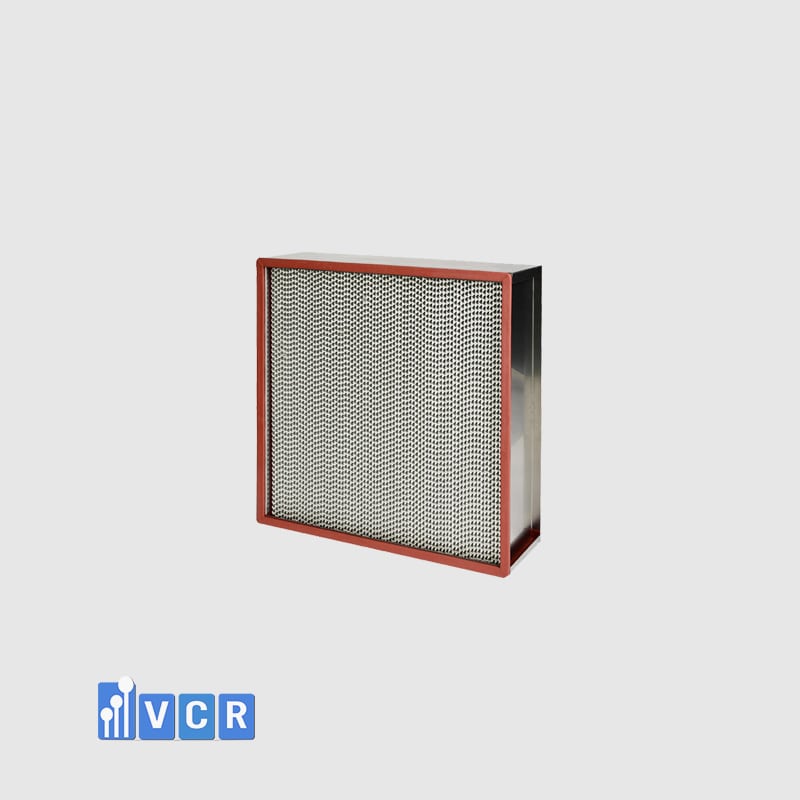
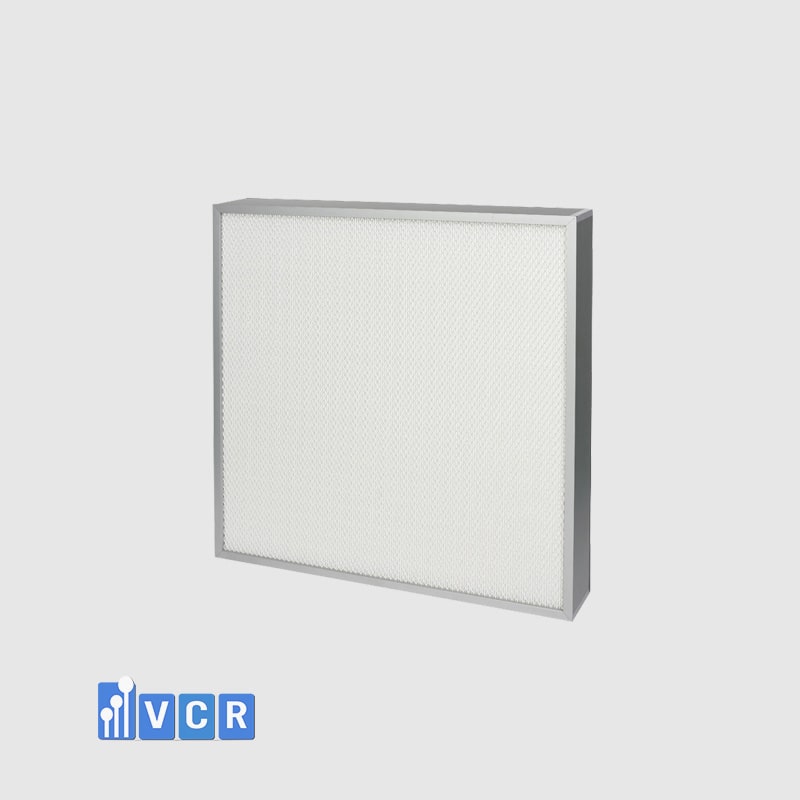
Inside a BIBO system, HEPA filters, ULPA filters, pre-filters, carbon filters, or other filtration stages may be installed depending on the application. ULPA Filter stands for Ultra Low Penetration Air, meaning an air filter with extremely low particle penetration. A pre-filter is a primary or coarse filter. A carbon filter is an activated carbon filter. Depending on the HVAC system, exhaust air, return air, or high-risk area, the filter configuration may vary.
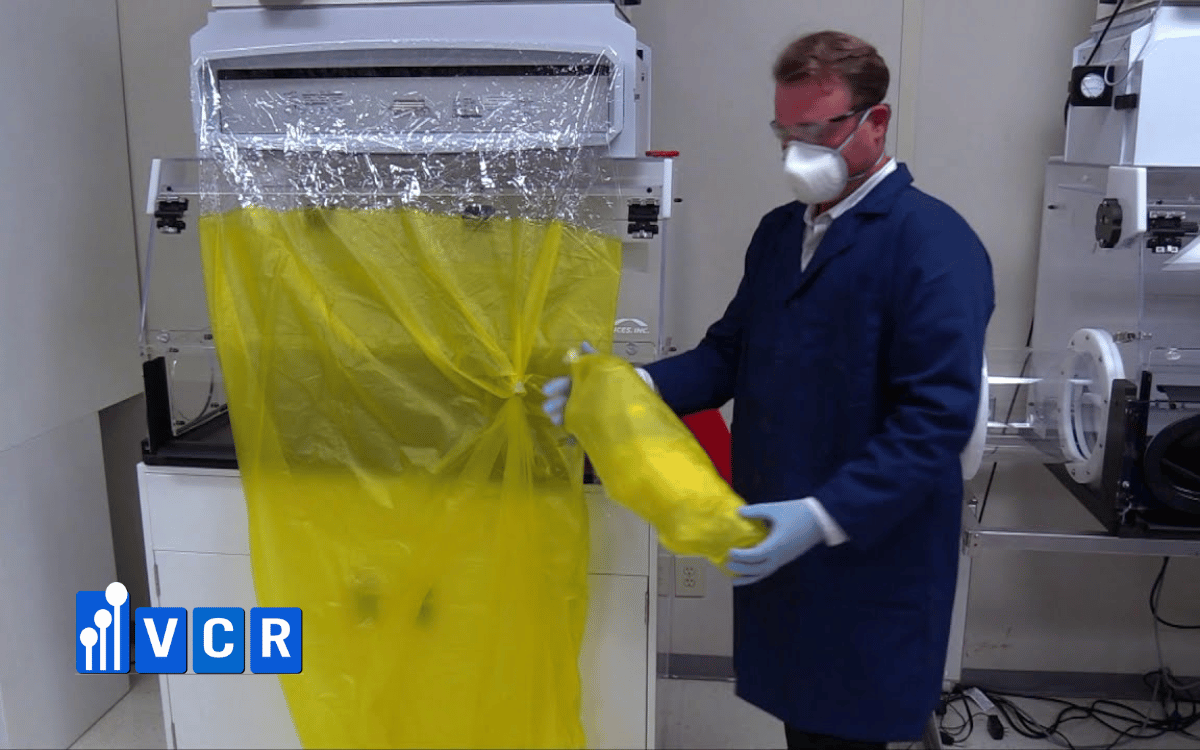
The core value of BIBO is its bag-based filter replacement mechanism. When filter replacement is needed, the operator attaches a BIBO bag to the housing opening, opens the service door within the bag, removes the contaminated filter, pulls the filter into the bag, seals the bag, and then removes the filter. This creates a physical barrier between the contaminated filter and the surrounding environment.
BIBO may also be called a Bag-In/Bag-Out System, BIBO Filter Housing, Safe Change Housing, Safe Change Filter Housing, or Containment Filter Housing. Safe Change Housing means a housing designed for safe filter replacement. Containment Filter Housing means a housing that supports contaminant-release control. In Vietnamese, it may be called hệ thống BIBO, hộp lọc BIBO, vỏ chứa lọc BIBO, hộp lọc thay túi an toàn, or hệ thống thay lọc HEPA bằng túi an toàn.
Therefore, when discussing BIBO, it is important to understand that this system does not replace the need to select the correct filter grade. If the system requires HEPA H14, HEPA H14 must still be selected. BIBO only supports safer replacement of contaminated filters in areas with release risks.
The Principle for Deciding Whether BIBO Is Needed
The most important principle for deciding whether BIBO is needed is to evaluate the risk of the filter after operation, not the name of the cleanroom. A high-cleanliness-class cleanroom does not necessarily require BIBO if the filter only captures ordinary environmental dust. Conversely, an area with a lower cleanliness class may still require BIBO if the filter on the exhaust or return air path may contain hazardous contaminants.
Risk assessment is the key basis for deciding whether BIBO is needed. This assessment should answer practical questions: where is the filter installed, whether the airflow through the filter contains hazardous contaminants, what the filter may contain after operation, whether the contaminant is toxic or biologically hazardous, whether the operator may be exposed during filter replacement, whether the maintenance area may become contaminated, and how the used filter will be disposed of.
If the filter only captures ordinary dust, contains no active ingredients, no high-risk microorganisms, no hazardous chemicals, and direct filter replacement has been assessed as safe enough, standard housing may be suitable. In this case, using BIBO may increase cost, space requirements, and operational complexity without providing proportional value.
Conversely, if the filter may contain toxic dust, pharmaceutical active ingredients, aerosols, biological agents, hazardous chemicals, or materials requiring containment, BIBO should be considered. In this case, the risk is not from the new filter but from the filter after it has been used. The contaminated filter may become a release source if removed directly.
Another important principle is to treat filter replacement as part of the contamination-control life cycle. Many systems are well designed for normal operation but lack a proper solution for maintenance. If filter replacement releases contaminants, the air-control strategy may lose continuity.
Therefore, the decision to use BIBO should be made during the design or equipment selection stage. If the system has already been installed and BIBO is later found necessary, adding it may be difficult because of insufficient service space, unsuitable door-opening direction, or fixed technical-room layout.
Case Requiring BIBO: Filters May Contain Toxic Dust or High-Risk Particles
One of the clearest cases for considering BIBO is when the filter may contain toxic dust or high-risk particles. These may include toxic dust, irritating dust, sensitizing particles, powders that can affect operators, or materials requiring strict release control.
During operation, the filter captures these particles in the airflow. This helps protect the system, surrounding environment, or exhaust pathway. However, when the filter is replaced, particles accumulated on the filter may be disturbed. If the operator removes the filter directly, dust may fall, become airborne, or settle on gloves, garments, tools, and maintenance-area surfaces.
BIBO reduces this risk by placing the contaminated filter into a bag before removal from the housing. The operator does not pull the filter out in an open condition but works within the bag. After the filter is inside the bag, the bag is tied, clamped, or heat-sealed depending on the SOP. As a result, hazardous dust has less opportunity to spread into the surrounding environment compared with direct filter removal.
Operator protection means protecting the person performing the operation. This is a very important objective in applications involving toxic dust or high-risk particles. The filter replacement operator is usually the closest person to the contaminated filter. If the filter contains substances that may be harmful through inhalation or skin contact, BIBO provides an engineering control layer to reduce exposure risk.
Relevant industries may include fine chemicals, specialty materials, high-risk powder production, material research rooms, fine powder handling areas, or particle-processing areas requiring release control. In these cases, the question is not only “Does the filter meet HEPA requirements?” but also “How will the contaminated filter be removed without releasing hazardous dust?”
However, BIBO does not replace all safety measures. Operators still need suitable PPE, clear SOPs, and a used-filter disposal plan. If the dust is classified as hazardous, the bag containing the contaminated filter must also be handled according to the relevant regulations.
Case Requiring BIBO: Pharmaceutical API Handling Areas
In pharmaceutical factories, BIBO is often considered in areas handling pharmaceutical active ingredients, or APIs. API stands for Active Pharmaceutical Ingredient. With powdered APIs, especially potent compounds, substances with low exposure limits, or active ingredients requiring containment, filters in extraction systems, exhaust air lines, or return air lines may accumulate API dust after operation.
During normal production, HEPA filters help capture active ingredient dust and reduce spread to other areas. However, when the filter needs replacement, API dust accumulated on the filter may become a risk source. If the filter is removed directly, maintenance personnel may be exposed through inhalation, skin contact, or contamination of garments.
BIBO reduces this risk through the bag-out operation, meaning removing the contaminated filter inside a sealed bag. When the used filter is pulled into the bag and sealed before removal from the housing, the risk of API dust release into the technical area is reduced. This is why BIBO is commonly considered in GMP pharmaceutical cleanrooms handling high-risk active ingredients.
GMP stands for Good Manufacturing Practice. In a GMP environment, filter replacement is not only a technical maintenance activity but also an activity that requires control through procedures, records, and risk assessment. If the filter may contain active ingredients, filter replacement should be treated as a point of possible exposure and cross-contamination.
BIBO may be used on exhaust air lines from API weighing rooms, active material handling areas, special product production areas, or local extraction systems that may capture API dust. For high-risk active ingredients, BIBO may need to be combined with additional measures such as specialized PPE, multi-layer packaging, hazardous waste handling procedures, and exposure control.
It is important to note that not every pharmaceutical area requires BIBO. If the filter is located only on a low-risk clean air supply path and is not expected to accumulate significant active ingredient dust, standard housing may be sufficient. But if the filter may contain API dust, BIBO should be seriously considered from the HVAC design stage.
Case Requiring BIBO: Biosafety Laboratories and Microbiological Agents
Biosafety laboratories are another important case where BIBO should be considered. Biosafety means biological safety. In microbiology research rooms, testing laboratories, high-risk sample handling areas, or biological laboratories, the air filtration system may capture microorganisms, aerosols, or biological agents during operation.
Aerosols are airborne droplets or particles suspended in air. When these particles carry biological agents and are captured on the filter, the used filter may become a risk source. If the filter is removed directly, agents accumulated on the filter may be released into the maintenance area or affect the filter replacement operator.
BIBO helps reduce release risk during filter removal by enclosing the contaminated filter in a bag. The operator works through the bag, pulls the filter into the bag, and seals it before removing it from the housing. This mechanism is especially useful when the filter is installed on an exhaust air path from a room containing biological agents or high-risk samples.
However, with biological agents, BIBO is not always the only required measure. Depending on the risk level and internal requirements, the filter or housing may need to be decontaminated before replacement. Decontamination helps reduce biological load on the filter before handling. BIBO supports physical containment, but it does not replace decontamination if decontamination is required by the procedure.
Operators also need appropriate PPE. PPE stands for Personal Protective Equipment. In biological environments, PPE may include gloves, masks, goggles, protective garments, or respiratory protection depending on the risk level. The bag containing the used filter may also need to be handled as hazardous biological waste.
Therefore, biosafety laboratories should consider BIBO when the filter may accumulate biological agents and direct filter removal may create release risk. The final decision should be based on risk assessment, agent type, biosafety level, decontamination procedure, and used-filter disposal plan.
Case Requiring BIBO: Exhaust Air Systems from High-Risk Areas
Exhaust air systems from high-risk areas are among the most common locations where BIBO is considered. Exhaust air means air extracted from an area and discharged or treated. If exhaust air comes from active ingredient handling rooms, chemical areas, biological rooms, cytotoxic drug production areas, or areas generating hazardous dust, the filter on the exhaust line may accumulate contaminants after operation.
During normal operation, the filter on the exhaust air line captures particles or contaminants before the air is discharged to the environment or sent to further treatment. But when the filter is replaced, contaminants retained on the filter may be released in the technical room or maintenance area if the filter is removed directly. This is the risk point BIBO can help control.
BIBO is often more suitable than standard housing at high-risk exhaust filtration points because it allows the contaminated filter to be placed into a sealed bag before removal from the system. Operators do not need to directly pull out the contaminated filter in an open condition. This mechanism helps protect both the operator and the surrounding environment.
For example, in a pharmaceutical factory, exhaust air from an active ingredient weighing room or highly potent product area may carry API dust. In a biological laboratory, exhaust air may contain biological aerosols. In a chemical area, exhaust air may involve hazardous dust or particles. In these cases, the used exhaust filter should be treated as a risk item.
However, not every exhaust air line requires BIBO. If exhaust air comes only from a low-risk area, contains no hazardous contaminants, and the filter captures only ordinary dust, standard housing may be suitable. The decision to use BIBO must be based on the contaminant type in the exhaust air and the risk of the used filter.
One important point is that BIBO does not replace toxic gas treatment systems if the main risk is chemical vapor or toxic gas. In those cases, specialized gas treatment systems are required. BIBO only supports safe filter replacement when the filter may contain contaminants requiring control.
Case Requiring BIBO: Return Air Paths That May Carry Contaminants
Return air means air that is sent back to the HVAC system for treatment or recirculation. In many cleanrooms, return air is an important part of air-conditioning and pressure-control systems. However, if return air comes from a high-risk area, it may carry API dust, aerosols, microorganisms, or hazardous particles. In such cases, the filter on the return air path may need a safer replacement mechanism.
Not every return air path requires BIBO. In low-risk areas, return air usually carries only environmental dust or ordinary particles. The used filter does not create significant risk during replacement, so standard HEPA housing or standard filter housing may be sufficient. But in areas containing hazardous contaminants, return air may cause the filter to accumulate materials requiring containment.
For example, if return air from an active ingredient handling area is sent back to an AHU or air-treatment unit, the filter on the return air path may capture API dust. If return air from a laboratory contains biological aerosols, the filter may contain microbiological agents. If return air from a powdered chemical area is involved, the filter may accumulate high-risk particles. In these cases, filter replacement may expose operators to captured contaminants.
BIBO reduces this risk by allowing the contaminated filter to be placed into a bag before removal from the housing. This is especially important if the filter is located in a technical room or maintenance area where personnel regularly work. If the contaminated filter releases dust there, the technical area may become contaminated and act as a secondary source of spread.
The decision to use BIBO on a return air path should be based on the nature of the return air, the type of contaminants that may be present, the risk level of the used filter, and the filter replacement procedure. If return air is assessed as low risk, BIBO should not be overused. If return air is high risk, BIBO should be considered from the HVAC design stage to ensure service space and qualification criteria are properly planned.
Case Requiring BIBO: Cytotoxic Drug Production or Highly Potent Products
Cytotoxic drug production areas, highly potent product areas, or areas handling active ingredients with low exposure limits are cases where BIBO should be considered very seriously. In these areas, filters after operation may accumulate hazardous substances. If filters are removed directly, operators may be exposed and the maintenance area may become contaminated.
A potent compound is a highly active compound. Depending on toxicity and exposure limits, even a small amount may create risk for personnel. When HEPA or ULPA filters capture particles from production areas, the used filter itself should be treated as a high-risk item.
BIBO reduces release during contaminated filter removal by placing the filter into a sealed bag before removal from the housing. However, for cytotoxic drug production or highly potent products, BIBO alone may not be sufficient. It should be considered part of a broader containment strategy.
That strategy may include closed equipment, suitable pressure control, specialized filter replacement procedures, specialized PPE, multi-layer packaging, hazardous waste disposal, and strict GMP records. In some cases, filter replacement procedures may require exposure assessment, decontamination before removal, or post-replacement testing.
BIBO must also be properly designed for these areas. The BIBO bag must be strong enough and suitable for the contaminant. The housing must be tight. The bag clamp and filter-locking mechanism must be secure. Service space must be sufficient so operators can replace filters without tearing the bag or heavily disturbing the filter. If the design is inconvenient, operational risk may increase.
Therefore, in cytotoxic drug production or highly potent product areas, BIBO is often a solution that should be considered, but it should not be viewed as the only control measure. The decision and configuration must be based on a specific risk assessment of the product, process, and GMP requirements.
Case Requiring BIBO: Used Filters Classified as Hazardous Waste
An important sign that a cleanroom should consider BIBO is when the used filter is classified as hazardous waste, biological waste, or waste containing dangerous active ingredients or chemicals. In this case, filter replacement is no longer a normal maintenance task; it becomes the first step in the hazardous waste handling process.
If the used filter must be treated as hazardous waste, this means contaminants on the filter should not be released into the environment. Direct filter removal may cause dust or contaminants to fall into the maintenance area. Operators may need to handle the filter in an open condition, increasing exposure risk and secondary contamination.
BIBO helps provide initial packaging of the contaminated filter in a sealed bag directly at the housing. When the filter is pulled into the bag and sealed before removal, internal transport becomes safer than carrying an exposed contaminated filter through the technical area. This is an important benefit for facilities with strict waste handling procedures.
However, BIBO does not replace final waste treatment procedures. The bag containing the used filter after bag-out must still be handled according to safety, environmental, GMP, biosafety, or internal requirements. If the filter contains biological agents, it may need to be handled as hazardous biological waste. If the filter contains active ingredients or chemicals, warning labels, double packaging, temporary storage, and qualified disposal may be required.
The important point is to determine the waste status of the filter from the beginning. If the used filter is considered hazardous waste, the filter replacement system must be designed accordingly. The question of waste handling should not be asked only after the filter has already been removed. The whole process should be designed from opening the housing, placing the filter into a bag, sealing it, internal transport, temporary storage, and final disposal.
In this context, BIBO is a tool that helps control the first stage of used-filter waste handling, especially when the filter may release contaminants during removal.
When a Cleanroom May Not Need BIBO
A cleanroom may not need BIBO when the air filtration system only handles ordinary dust, the risk of the used filter is low, and a standard filter replacement procedure is safe enough. This is often the case for standard clean air supply systems, where filters mainly capture environmental dust and do not accumulate active ingredients, microorganisms, hazardous chemicals, or high-risk particles.
For example, a HEPA filter installed on a clean air supply path for a low-risk production area may only capture dust from treated air. During filter replacement, operators may use basic PPE and standard maintenance procedures. In this case, standard HEPA housing may be more suitable because it is simpler, requires less space, and is easier to operate.
However, the decision not to use BIBO should also be based on risk assessment, not merely cost reduction. Without proper assessment, a facility may overlook BIBO in locations where it is truly needed. Therefore, it is important to distinguish between “BIBO is not needed because the risk is low” and “BIBO is not used because the risk has not been assessed.”
When assessing a location that may not need BIBO, the following should be reviewed: where the filter is installed, whether the air passing through the filter contains hazardous contaminants, whether the used filter is classified as hazardous waste, whether filter replacement may expose operators, and whether special containment requirements exist. If all these factors indicate low risk, standard housing may be a reasonable choice.
In addition, BIBO requires more service space than standard housing. If a low-risk location uses BIBO unnecessarily, the facility may face avoidable challenges in operation, maintenance, and replacement material costs. BIBO bags, bag-out operation, and filter replacement records all require stricter procedures.
Therefore, a cleanroom does not need BIBO when the risk of the used filter is low and the standard replacement method has been shown to be safe enough. But this decision should still be documented in the risk assessment to ensure transparency and consistency in the design.
Quick Comparison: Using BIBO vs. Standard HEPA Housing
|
Criteria |
BIBO – Bag In Bag Out |
Standard HEPA Housing |
|
Equipment nature |
Housing with safe bag-based filter replacement mechanism |
Standard filter housing |
|
Main objective |
Safer replacement of high-risk filters |
Holding and sealing filters in the air system |
|
Suitable risk level |
Filters that may contain hazardous contaminants |
Low-risk filters with ordinary dust |
|
Filter replacement method |
Handling through a bag; bag-out of contaminated filter |
Opening the housing and removing the filter more directly |
|
Release control |
Better during filter replacement |
Depends on handling and PPE |
|
Maintenance space |
Requires more space for bag attachment and filter removal |
Usually simpler |
|
Cost |
Higher due to housing, bags, and more complex procedures |
Usually lower |
|
SOP requirement |
Requires detailed filter replacement SOP |
Simpler SOP if risk is low |
|
Training requirement |
Requires training in bag in bag out operation |
Standard maintenance training |
|
Typical application |
High-risk exhaust air, API, biological areas, cytotoxic drugs |
Standard clean air supply and low-risk dust filtration |
This comparison shows that BIBO and standard HEPA housing are not absolute “better or worse” choices. They are suitable for different risk groups. Standard HEPA housing is suitable when the used filter does not create significant replacement risk. BIBO is suitable when the used filter may contain hazardous contaminants and requires a safer replacement mechanism.
The most important difference is the filter replacement method. With standard housing, operators usually access the filter more directly. With BIBO, the filter is placed into a bag before removal. Therefore, BIBO provides clear value in areas requiring containment but may not be necessary in low-risk areas.
When advising or selecting equipment, contractors should not automatically apply BIBO to every HEPA location, nor should they automatically exclude BIBO to reduce cost. Each filter location, airflow path, and contaminant type should be assessed. This is a more reasonable approach from technical, safety, and investment perspectives.
Questions to Answer Before Deciding to Use BIBO
Before deciding to use BIBO, investors and contractors should answer a series of technical questions related to the risk of the used filter. The first question is where the filter is installed. If the filter is on a low-risk clean air supply path, BIBO may not be necessary. If the filter is on exhaust air or return air from a high-risk area, a more detailed assessment is needed.
The second question is whether the air passing through the filter may contain hazardous contaminants. These contaminants may include toxic dust, pharmaceutical active ingredients, microorganisms, aerosols, chemicals, cytotoxic drugs, or materials requiring containment. If the answer is yes, BIBO should be considered.
The third question is what the filter may contain after operation. This is very important because the risk requiring BIBO does not come from the new filter but from the used filter. A new filter may be safe, while the filter after operation may become hazardous waste.
The fourth question is whether filter replacement personnel may be exposed. If direct filter removal may release dust into the breathing zone or contaminate skin, clothing, or tools, stronger control measures are needed. BIBO may be one of those measures.
The fifth question is how the used filter will be disposed of. If the used filter must be handled as biological waste, hazardous waste, or waste containing active ingredients, the filter replacement system should support enclosing the filter from the beginning.
The sixth question is whether there is enough service space. BIBO requires space to attach the bag, open the door, pull out the filter, seal the bag, and remove the contaminated filter bag. If space is insufficient, the layout should be adjusted or another installation position should be selected.
The final question is whether HEPA leak testing, scan testing, or post-replacement testing is required. HEPA leak testing checks for leakage in the HEPA filter. Scan testing is filter leak scanning. If these tests are required, the housing must include suitable test ports and service access.
These questions should be answered during the design or equipment selection stage. If they are answered too late, adding BIBO may become much more difficult and costly.
Criteria for Selecting a Suitable BIBO System After Confirming It Is Needed
Once it is confirmed that the cleanroom needs BIBO, the next step is selecting a suitable configuration. The first criterion is contaminant type. If the contaminant is toxic dust, active ingredient, microorganism, aerosol, or hazardous chemical, the requirements for housing, bag, PPE, and used-filter disposal will differ. A single BIBO configuration should not be used for every case.
The second criterion is the hazard level of the used filter. It is necessary to determine whether the filter after operation is classified as hazardous waste, whether special packaging is needed, whether decontamination is required before removal, and whether a dedicated disposal process is needed. The higher the hazard level, the greater the containment requirement.
The third criterion is installation position. BIBO can be installed on ductwork, AHUs, exhaust air lines, or return air lines. Ductwork means the air duct system. AHU stands for Air Handling Unit. Each location has different requirements for size, door-opening direction, connection tightness, support, and maintenance space.
The fourth criterion is airflow volume and system pressure. The housing must match the airflow passing through it, filter resistance, and pressure conditions. If the wrong size is selected, the system may experience excessive pressure loss, fail to meet airflow requirements, or create HVAC operation difficulties.
The fifth criterion is filter grade. BIBO may be used with HEPA filters, ULPA filters, or other filter stages. The filter grade, filter size, number of filtration stages, need for pre-filters or carbon filters, and requirement for leak testing after installation should all be defined.
The sixth criterion is housing tightness, BIBO bag type, and bag clamping mechanism. The housing must be tight, the gasket must seal properly, the filter-locking mechanism must be secure, and the bag must match the filter size. If the bag is unsuitable or the clamp is weak, the Bag In Bag Out principle is compromised.
The seventh criterion is maintenance space and simulated filter replacement. Before finalizing the design, it should be checked whether operators have enough room to attach the bag, pull the filter, seal the bag, and remove the used filter. If possible, the bag attachment, filter removal, sealing, and bag-out process should be simulated.
As a cleanroom equipment supplier for cleanroom contractors, VCR Cleanroom Equipment can support consultation on suitable BIBO system selection according to HVAC layout, contaminant type, safe filter replacement requirements, and actual qualification criteria for each project.
Key Considerations When Installing BIBO in Cleanrooms
BIBO installation should be planned from the design stage because this equipment requires more service space than standard housing. If only housing dimensions are considered without considering filter replacement operation, the system may be difficult to use correctly even if the equipment parameters are correct.
The first consideration is the installation position on ductwork or AHU. BIBO should be placed in an accessible location, not too high, not too close to walls, and not blocked by other equipment. Operators need space to stand, place tools, attach the bag, pull the filter, and handle the contaminated filter bag.
The second consideration is door-opening and service direction. The BIBO door must open in a convenient direction. The bag attachment opening must be positioned where the operator can work safely. If door opening is blocked by ducts, walls, or support structures, filter replacement may become difficult and increase risk.
The third consideration is filter removal space. HEPA or ULPA filters may be large and relatively heavy. When pulling the filter into the bag, the operator needs enough clearance to avoid tearing the bag, striking the filter strongly, or deforming the housing.
The fourth consideration is the movement route for the used filter after bag-out. The contaminated filter bag must be moved to a handling or temporary storage area according to procedure. If this route is not planned, internal transport risks may arise.
The fifth consideration is duct connection tightness, supports, and vibration control. The housing must be securely installed, not deformed, and free from leakage. Vibration from fans or ductwork may affect sealing if not controlled.
The final consideration is the location of the differential pressure gauge and test ports. Differential pressure means pressure difference. The gauge should be easy to observe. Test ports should be accessible if HEPA leak testing, scan testing, or DOP/PAO testing is required.
Proper BIBO installation means creating a safe maintenance point, not merely placing equipment into the airflow path. The design must consider people, bags, filter size, operating procedure, and post-installation qualification.
What Should Be Checked During BIBO Qualification and Inspection?
BIBO qualification should check the equipment, filter, sealing, replacement mechanism, and actual serviceability. It is not enough to verify that the HEPA filter passes; the bag-based filter replacement capability must also be checked because that is the core value of BIBO.
The first step is visual, material, and dimensional inspection. The housing must match the drawings, specified material, and installation position, and must not be deformed. Surfaces should be well finished, easy to clean, and free from abnormal gaps. If the housing is warped, the door and gasket may not seal properly.
The second step is checking the service door, bag attachment opening, and bag clamping mechanism. The door must open and close stably. The bag attachment opening must fit the BIBO bag. The bag clamp must hold the bag securely and reduce leakage. If the bag cannot be attached tightly, the Bag In Bag Out principle is affected.
The third step is checking the BIBO bag, gasket, and filter lock. The bag must be correctly sized, not torn or punctured, and suitable for the operation. A gasket is a sealing component. The filter must be pressed against the gasket, properly aligned, and must not create bypass gaps. Bypass means air goes around the filter instead of through it.
The fourth step is checking the differential pressure gauge, airflow direction, and test ports. Airflow direction must match the design. The differential pressure gauge must be easy to read. HEPA leak test ports, scan test ports, or DOP/PAO test ports, if available, must be accessible.
HEPA leak testing checks for leakage in the HEPA filter. Scan testing is filter leak scanning. DOP/PAO testing uses test aerosol. If required by the project, these tests should be performed to confirm that the filter and filter seat do not leak.
A very important part is simulated filter replacement. The qualification team should check whether there is enough space to attach the bag, open the door, remove the filter, pull it into the bag, seal the bag, and remove the contaminated filter bag. If the simulation is already difficult, actual filter replacement will carry higher risk.
Qualification documentation should include drawings, technical specifications, filter certificates, operating instructions, filter replacement instructions, test results, qualification records, and maintenance recommendations. For BIBO, documentation is important because the equipment is directly related to maintenance safety and containment.
Common Mistakes When Deciding Whether to Use BIBO
The first mistake is assuming every cleanroom needs BIBO. In reality, BIBO is only necessary when the risk of the used filter is high enough to require safe bag-based replacement. If the filter only captures ordinary dust and the risk is low, standard housing may be more suitable.
The second mistake is thinking BIBO is a HEPA filter. BIBO is not a filter. BIBO is housing and a bag-based replacement mechanism. If particle control is needed, the correct HEPA or ULPA grade must be selected. If safe filter replacement is needed, BIBO should be considered.
The third mistake is selecting BIBO only because it sounds advanced. This may increase cost and operating complexity unnecessarily. BIBO should be selected based on risk assessment, not perception.
The fourth mistake is not using BIBO even when the filter is high risk. This is more serious in active ingredient, biological, chemical, or cytotoxic drug areas. If the used filter may contain hazardous contaminants but is removed directly, operators and maintenance areas may be affected.
The fifth mistake is not allowing enough service space. BIBO requires space to attach the bag, pull the filter, seal the bag, and remove the contaminated filter. If the space is insufficient, the equipment may not be used correctly.
The sixth mistake is using the wrong bag or not inspecting the bag. The BIBO bag is an important part of the containment system. A bag that is incorrectly sized, too thin, torn, or incompatible with the contaminant may reduce protection.
The final mistake is not training operators, not having an SOP, and not considering used-filter disposal. BIBO is effective only when the equipment, bag, operation, and records are properly controlled. Making decisions based only on equipment name or cost rather than actual risk is the biggest mistake.
FAQ – Frequently Asked Questions About When Cleanrooms Need BIBO
Question: When does a cleanroom need BIBO?
A cleanroom needs BIBO when the used filter may contain toxic dust, pharmaceutical active ingredients, microorganisms, aerosols, hazardous chemicals, cytotoxic drugs, or contaminants requiring containment. BIBO is especially suitable when direct filter replacement may cause release or exposure.
Question: Do all GMP cleanrooms need BIBO?
No. Not all GMP cleanrooms need BIBO. BIBO use depends on the risk of the used filter, contaminant type, filter location, and filter replacement procedure. If the filter only captures ordinary dust, standard housing may be sufficient.
Question: Is BIBO mandatory when using HEPA filters?
No. Using HEPA filters does not automatically require BIBO. BIBO is needed only when the used HEPA filter may contain hazardous contaminants or requires better release control during replacement.
Question: Is BIBO used for exhaust air or supply air?
BIBO is more commonly considered on exhaust air or return air paths from high-risk areas. However, in special cases, BIBO may be used in other positions if risk assessment shows that the used filter requires safe bag-based replacement.
Question: Does a filter containing ordinary dust need BIBO?
Usually no, if the dust is low risk and the standard replacement procedure is safe enough. However, the decision should still be based on a specific risk assessment of the system.
Question: Should API handling areas use BIBO?
API handling areas should consider BIBO if the filter may accumulate active ingredient dust, especially for potent compounds or substances with low exposure limits. BIBO helps reduce release during contaminated filter replacement.
Question: Do biosafety laboratories need BIBO?
They may need BIBO if the filter can capture microorganisms, aerosols, or high-risk biological agents. In some cases, BIBO should be combined with decontamination, PPE, and biological waste handling procedures.
Question: Does BIBO replace PPE?
No. BIBO reduces release and direct contact risk, but it does not replace PPE. Operators still need personal protective equipment suitable for the contaminant and the facility’s SOP.
Question: How is BIBO different from standard HEPA housing?
Standard HEPA housing mainly holds and seals the filter. BIBO adds a safe bag-based replacement mechanism, allowing the contaminated filter to be removed in a sealed bag and reducing release risk.
Question: Is simulated filter replacement needed when using BIBO?
It is recommended. Simulated filter replacement helps verify bag attachment space, filter removal space, sealing steps, and removal of the contaminated filter bag. Without simulation, real replacement may encounter problems due to insufficient space or inconvenient operation.
Question: What should contractors ask before advising BIBO?
Contractors should ask where the filter is installed, whether the air passing through the filter contains hazardous contaminants, how the used filter will be classified as waste, whether GMP or biosafety requirements apply, whether service space is sufficient, and whether leak testing after replacement is required.
Conclusion: Cleanrooms Need BIBO When Used-Filter Risk Exceeds Standard Replacement Control
A cleanroom does not automatically need BIBO simply because it uses a HEPA filter. BIBO should be considered when the used filter may contain hazardous contaminants such as toxic dust, pharmaceutical active ingredients, microorganisms, aerosols, chemicals, cytotoxic drugs, or materials classified as hazardous waste. When direct filter replacement may create release or exposure risks, BIBO is a solution worth considering.
The decision to use BIBO must be based on risk assessment, containment requirements, installation position, airflow characteristics, contaminant type, filter replacement procedure, used-filter disposal capability, and long-term operating criteria. Using BIBO in the right location improves safety. Using it in the wrong location may increase cost and complexity unnecessarily.
Therefore, the accurate answer to the question “When does a cleanroom need to use a BIBO system?” is: when the risk of the used filter exceeds what can be safely controlled by standard filter replacement methods.
Hai VCR