- Why Is It Important to Know Where BIBO Is Used in Cleanroom Systems?
- What Is BIBO – Bag In Bag Out?
- Where Is BIBO Used? Principles for Identifying Application Locations
- Applications of BIBO in Pharmaceutical Factories
- Applications of BIBO in API Handling and Potent Compound Areas
- Applications of BIBO in Cytotoxic Drug Production and High-Risk Products
- Applications of BIBO in Biology and Biosafety
- Applications of BIBO in Laboratories
- Applications of BIBO in Chemical and High-Risk Material Industries
- Applications of BIBO in Cleanroom Exhaust Air Systems
- Applications of BIBO in Return Air Paths and HVAC Systems
- Applications of BIBO in AHUs and Ductwork
- Is BIBO Used for Standard Clean Air Supply Areas?
- Comparison of BIBO Applications by Industry
- Criteria for Selecting BIBO According to Real Applications
- Installation Considerations for BIBO by Application Location
- BIBO Inspection and Qualification Before Operation
- FAQ – Frequently Asked Questions About Where BIBO Is Used
- Conclusion: BIBO Should Be Used Where Contaminated Filters May Release Hazardous Contaminants
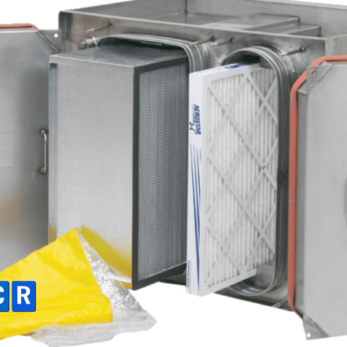
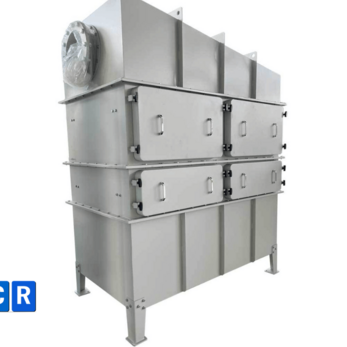
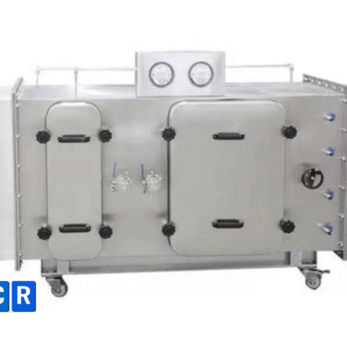
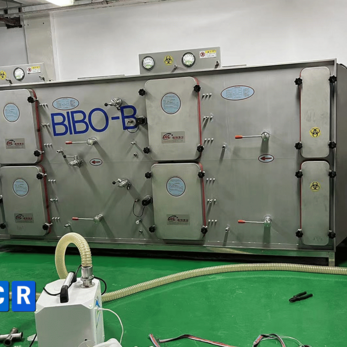
BIBO – Bag In Bag Out is a safe bag-based filter replacement system, commonly used in areas where HEPA filters, ULPA filters, or air filters after operation may contain toxic dust, microorganisms, pharmaceutical active ingredients, chemicals, aerosols, or high-risk contaminants. In cleanroom systems, BIBO is not a device used universally for every filter location. It is selected for areas where direct removal of contaminated filters may release contaminants and create risks for operators, maintenance areas, or the surrounding environment.
The question “Where is BIBO used?” is essentially a question about the risk level of the filter after operation. If the filter only captures ordinary environmental dust, the risk is low, and a standard filter replacement procedure is safe enough, standard filter housing may be suitable. However, if the filter is located on an exhaust air path, return air path, or air handling system serving areas with active ingredients, microorganisms, chemical dust, cytotoxic drugs, or high-risk samples, BIBO should be considered as a solution to support safer filter replacement.
In practice, BIBO is widely used in pharmaceutical factories, API handling areas, biosafety laboratories, microbiology research areas, testing laboratories, chemical plants, high-risk material handling areas, exhaust air systems, return air systems, AHUs, and cleanroom ductwork. The common point across these applications is that the contaminated filter may become a source of contaminant release if it is not removed using a better-controlled method.
Why Is It Important to Know Where BIBO Is Used in Cleanroom Systems?
In cleanrooms, air filters are usually understood as devices that capture dust, particles, microorganisms, or contaminants in the airflow. However, when the system operates for a long period, the filter is no longer a clean component as it was when first installed. It becomes the place where contaminants captured by the system accumulate. This is especially important in pharmaceutical, biological, chemical, or laboratory areas where hazardous particles may be generated.
If the filter is removed directly, dust or contaminants on the filter may be disturbed and released into the surrounding environment. Operators may be exposed through inhalation, skin, eyes, protective clothing, or maintenance tools. The technical area may also become secondarily contaminated if dust or particles from the used filter fall onto the floor, settle on surfaces, or spread to other areas through personnel movement.
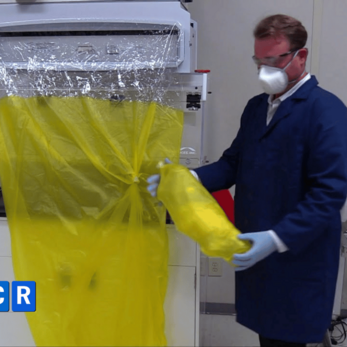
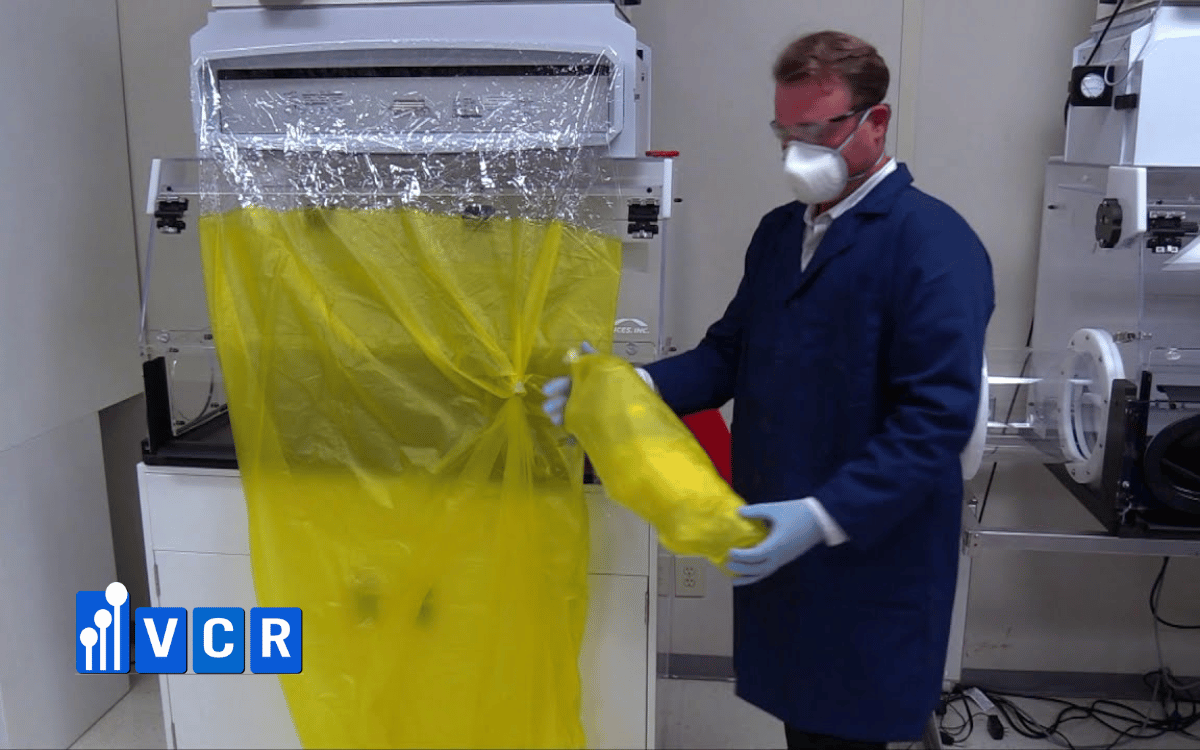
BIBO is used to reduce this risk. The system allows operators to replace filters through a safety bag. The contaminated filter is pulled into the bag, the bag is sealed, and only then is the filter removed from the housing. This mechanism creates a physical barrier between the contaminated filter and the external environment, helping reduce contaminant release during filter replacement.
Therefore, knowing where BIBO is used helps contractors, investors, and operation teams identify the correct locations where filter replacement risks must be controlled. If BIBO is used in the wrong place, the project may increase cost, require more space, and create unnecessary operational complexity. But if BIBO is not used in a high-risk location, the system may create significant risks during maintenance.
The question “Where is BIBO used?” should be answered based on contaminant type, filter location, exhaust air path, return air path, operation area, and containment requirements. Containment means the ability to control contaminants within an acceptable boundary. When containment is important, BIBO often becomes a solution worth considering in cleanroom design and operation.
What Is BIBO – Bag In Bag Out?
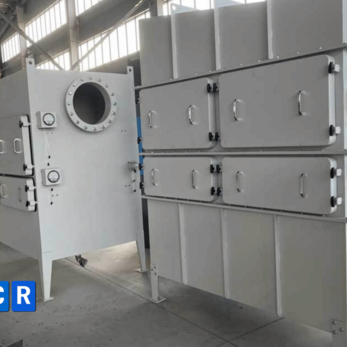
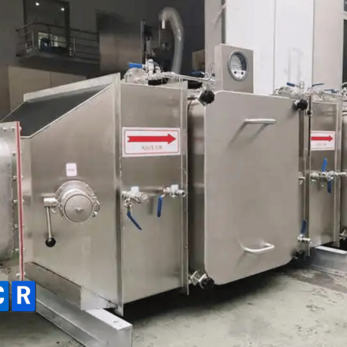
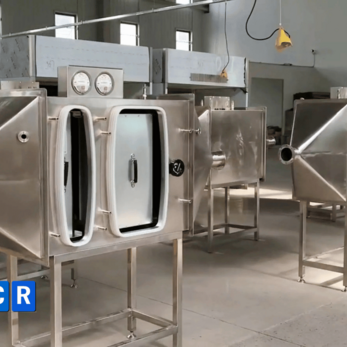
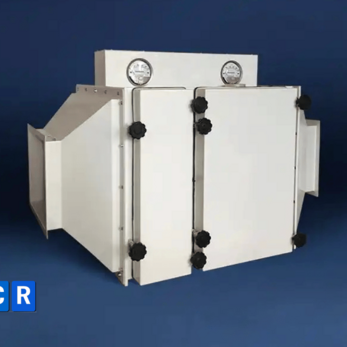
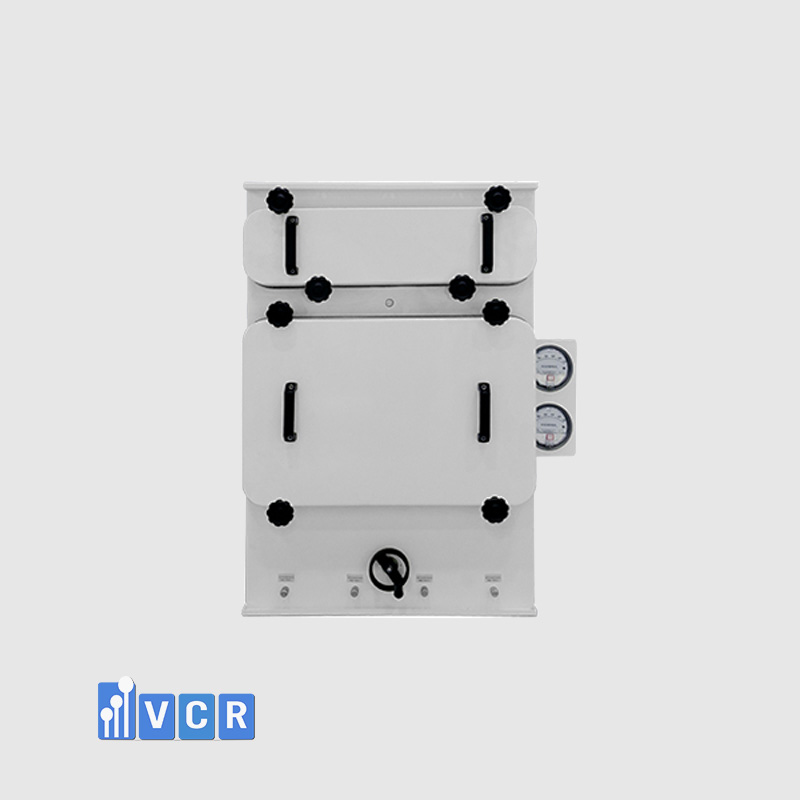
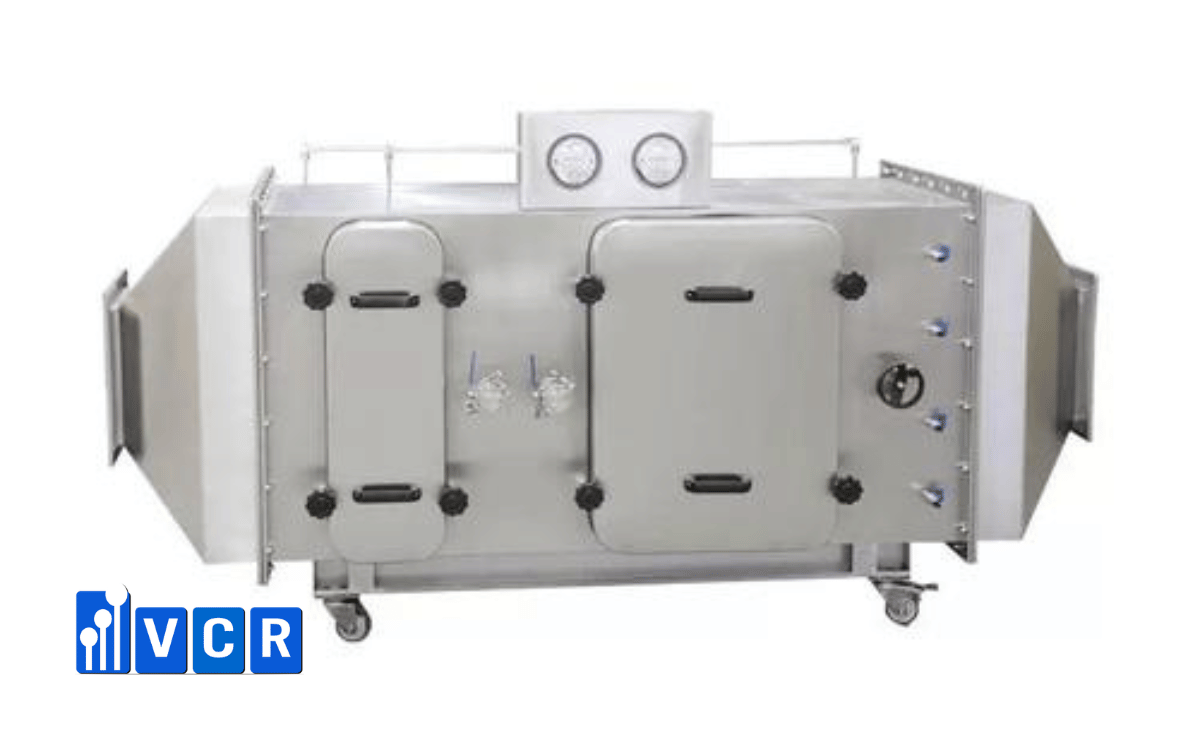
BIBO stands for Bag In Bag Out, which can be understood as a safe filter replacement system using bags. “Bag In” may be understood as bringing a bag or a new filter into a safe handling process. “Bag Out” means removing the contaminated filter in a sealed bag. In cleanrooms and high-risk air filtration systems, BIBO is usually designed as BIBO Filter Housing, meaning a filter enclosure or filter box with a bag-based replacement mechanism.
BIBO is not the HEPA filter itself. HEPA Filter stands for High Efficiency Particulate Air, meaning a high-efficiency air filter. A HEPA filter captures particles in the airflow. BIBO is the housing or filter containment system that helps replace contaminated filters more safely after the filters have accumulated contaminants.
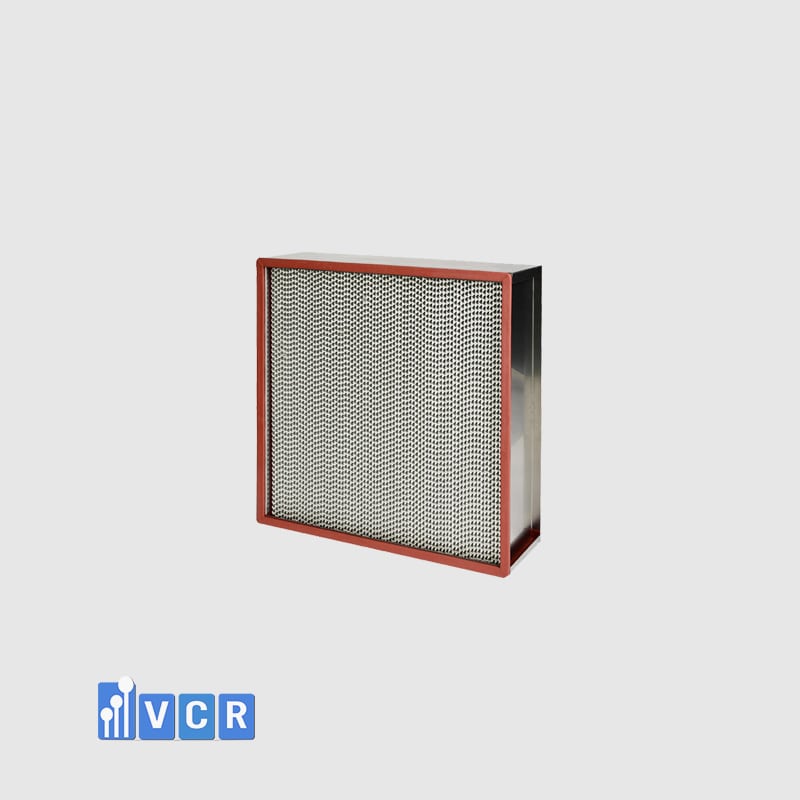
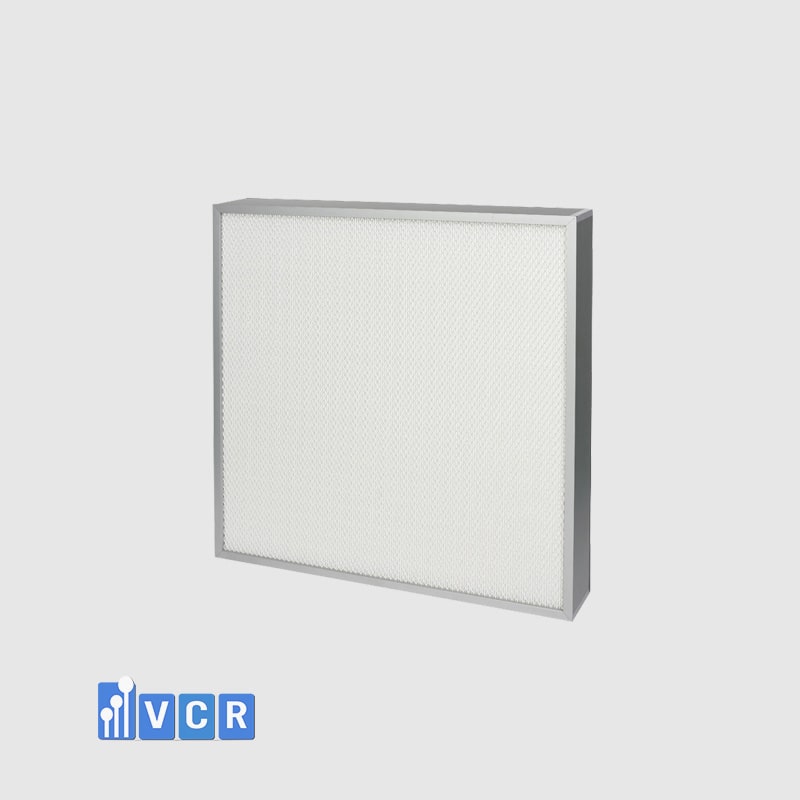
Inside a BIBO system, HEPA filters, ULPA filters, pre-filters, carbon filters, or other filtration stages may be installed depending on the application. ULPA Filter stands for Ultra Low Penetration Air, meaning an air filter with extremely low particle penetration. A pre-filter is a primary or coarse filter. A carbon filter is an activated carbon filter. These filters perform the filtration function, while BIBO supports filter removal and installation under better-controlled conditions.
The basic principle of BIBO is that operators do not pull the contaminated filter out in an open condition. When replacement is needed, the BIBO bag is attached to the housing opening. The operator opens the service door within the bag, removes the old filter, pulls it into the bag, seals the bag, and then removes the filter. The new filter is introduced and installed according to the technical procedure.
BIBO may also be called a Bag-In/Bag-Out System, BIBO Filter Housing, Safe Change Housing, Safe Change Filter Housing, or Containment Filter Housing. Safe Change Housing means a housing designed for safe filter replacement. Containment Filter Housing means a housing that supports contaminant-release control.
It is important to understand that BIBO does not increase the filtration grade of HEPA or ULPA filters. If the system uses HEPA H13, the filter grade remains H13. If it uses HEPA H14, the filter grade remains H14. The value of BIBO lies in the filter replacement process, especially when the filter is already contaminated and may contain hazardous substances. Therefore, BIBO is considered a safety solution for the maintenance stage, not a device that replaces the filtration function.
Where Is BIBO Used? Principles for Identifying Application Locations
BIBO is used in locations where the filter after operation may contain hazardous contaminants or where direct filter removal may release contaminants. This is the most important principle for identifying BIBO application points in cleanrooms and HVAC systems.
The need for BIBO should not be determined only by room name, cleanliness class, or the perception that the equipment is “more advanced.” A high-cleanliness-class cleanroom does not necessarily require BIBO if the filter only captures ordinary environmental dust and replacement risk is low. Conversely, an area with a lower cleanliness class may still require BIBO if the filter is installed on an exhaust air or return air path from an area containing hazardous contaminants.
Risk assessment is the key basis for deciding where BIBO should be used. When evaluating a filter location, the following questions should be answered: Does the air passing through the filter contain hazardous contaminants? Is the filter located on an exhaust air path or return air path? What may the filter contain after operation? Could filter replacement personnel be exposed? Could the maintenance area become contaminated? Is the used filter classified as hazardous waste? Are there GMP, biosafety, or containment requirements?
If the filter only handles ordinary dust in a low-risk area, standard housing may be sufficient. If the filter may retain pharmaceutical active ingredients, toxic dust, microorganisms, aerosols, hazardous chemicals, or materials requiring containment, BIBO should be considered. Aerosols are airborne droplets or particles suspended in air. Biosafety means biological safety.
BIBO is more commonly found on exhaust air and return air paths from high-risk areas because these air paths may carry contaminants generated during operations. However, in some special cases, BIBO may also be used in other locations if risk assessment shows that the contaminated filter needs safe bag-based replacement.
In other words, BIBO should not be selected by habit, but by risk. The correct application location is where the used filter may become a source of contaminant release if removed directly. When this location is correctly identified, BIBO helps reduce risks for operators, maintenance areas, and the cleanroom system.
Applications of BIBO in Pharmaceutical Factories
In pharmaceutical factories, BIBO is used in areas where filters may accumulate active ingredient dust, raw material dust, excipient dust, or contaminants requiring control. API stands for Active Pharmaceutical Ingredient. When handling powdered APIs, filters in extraction systems, exhaust air paths, or return air paths may retain API dust after operation.
One common location where BIBO is considered is the high-risk raw material dispensing area. During bag opening, powder pouring, weighing, and material transfer, dust may be generated. If the extraction or air filtration system in this area captures active ingredient dust, the contaminated filter may become a risk source during replacement. BIBO helps place the used filter into a sealed bag before removal, reducing release.
API handling areas are also important locations. With potent active ingredients or substances with low exposure limits, even a small amount of dust may affect operators depending on the substance. When filters accumulate API dust, direct filter replacement may not be suitable. BIBO helps support safer filter replacement during maintenance.
BIBO may also be used in cytotoxic drug production areas or products requiring strict control. HEPA or ULPA filters in these areas may accumulate hazardous substances after operation. Removing used filters in sealed bags helps reduce exposure and secondary contamination risks.
In pharmaceutical HVAC systems, BIBO is often considered on exhaust air paths, return air paths, or filter sections serving areas with cross-contamination risks. GMP stands for Good Manufacturing Practice. In a GMP environment, filter replacement is not only a technical activity but also relates to contamination control, operating records, risk assessment, and operator protection.
However, not every location in a pharmaceutical factory requires BIBO. If the filter is only installed on a low-risk clean air supply path and is not expected to accumulate significant active ingredients, standard housing may be suitable. BIBO should be selected based on the risk of the used filter, not merely because the facility is pharmaceutical.
Applications of BIBO in API Handling and Potent Compound Areas
API handling and potent compound areas are among the most important applications of BIBO in pharmaceutical factories. A potent compound is a highly active compound. For active ingredients with high potency, high toxicity, or low exposure limits, dust generated during handling must be strictly controlled.
During normal operation, extraction systems, air filtration systems, or exhaust air systems may capture part of the active ingredient dust. HEPA or ULPA filters after use may contain a significant amount of API dust. During filter replacement, the risk shifts from production to maintenance. If operators remove the filter directly, active ingredient dust may be released into the technical area or settle on garments and tools.
BIBO enables the bag-out operation, meaning the contaminated filter is removed in a sealed bag. The operator attaches the bag to the housing, pulls the contaminated filter into the bag, seals it, and only then separates the filter from the system. This reduces direct contact with the used filter and lowers the risk of API dust release in the maintenance area.
However, for high-risk active ingredients, BIBO does not replace the entire containment strategy. Pharmaceutical containment may include closed equipment, suitable pressure control, controlled airflow, cleaning procedures, specialized PPE, exposure assessment, multi-layer packaging, and hazardous waste disposal. BIBO is an important control layer during filter replacement, but it is not the only solution.
When selecting BIBO for API areas, housing tightness, BIBO bag type, bag clamping mechanism, service space, filter size, used-filter disposal plan, and post-replacement testing capability should be considered. If the maintenance space is too cramped, pulling the filter into the bag may be difficult and may increase risk.
Therefore, in API and potent compound areas, BIBO should be considered from the design stage. This helps arrange the correct filter location, provide enough service space, plan an appropriate used-filter movement route, and develop a safe filter replacement SOP from the beginning.
Applications of BIBO in Cytotoxic Drug Production and High-Risk Products
In cytotoxic drug production or high-risk product manufacturing, filters after operation may contain substances requiring strict control. A cytotoxic drug is a drug that can damage or kill cells. This product group may create risks for personnel if exposure is not properly controlled. When the air filtration system captures particles or dust from the production area, the contaminated filter should be treated as a risk item.
BIBO is applied in these areas to reduce risk during HEPA or ULPA filter replacement. Instead of opening the housing and removing the contaminated filter directly, the operator works through the BIBO bag. The filter is pulled into the bag, the bag is sealed, and only then is the filter removed from the system. This mechanism helps reduce the release of contaminants on the filter.
However, in cytotoxic drug or high-risk product areas, BIBO is usually only one control layer within a broader system. In addition to BIBO, the facility may need closed equipment, suitable pressure control, dedicated filter replacement areas, specialized PPE, decontamination procedures, multi-layer packaging, hazardous waste disposal, and strict GMP records.
One important point is that BIBO bags in these applications must be suitable for the contaminant risk. The bag must be strong enough, correctly sized, and suitable for handling. The bag clamping mechanism must be secure to prevent detachment or leakage during replacement. If the bag tears or does not seal properly, the Bag In Bag Out principle is compromised.
A clear procedure for used filters after bag-out is also required. Used filters may require warning labels, double packaging, temporary storage, and disposal according to regulations. A filter placed inside a bag should not be considered completely risk-free. The bag is only the initial control step; final disposal must still comply with safety and environmental requirements.
Therefore, in cytotoxic drug production and high-risk product areas, BIBO is commonly used at exhaust air filters, return air filters, or filter sections serving production areas with contaminant-release risks. The configuration decision must be based on a specific risk assessment of the product and process.
Applications of BIBO in Biology and Biosafety
In biological applications, BIBO is used in areas where filters may accumulate microorganisms, biological aerosols, or hazardous biological agents. Biosafety means biological safety. Common areas include microbiology research rooms, biosafety rooms, biological sample handling areas, testing laboratories, or exhaust systems that may carry biological agents.
When an air filtration system captures microorganisms or biological aerosols, the used filter should not be treated as an ordinary dust filter. Aerosols are airborne droplets or particles suspended in air. If these particles carry biological agents and are retained on the filter, direct filter removal may release them back into the maintenance area.
BIBO reduces this risk by placing the contaminated filter into a sealed bag before separating it from the housing. The operator does not directly handle the filter in an open condition. This mechanism is especially meaningful for exhaust air systems from biological areas or rooms where aerosol generation may occur.
However, with biological agents, BIBO may need to be combined with decontamination. Depending on the agent type, biosafety level, and internal procedures, the filter or housing may need to be decontaminated before replacement. Decontamination helps reduce the biological load before physical handling. BIBO supports enclosure during filter removal, but it does not replace decontamination if the procedure requires it.
PPE is also mandatory in many biological applications. PPE stands for Personal Protective Equipment. Filter replacement personnel may need gloves, goggles, masks, respirators, or protective garments suitable for the risk level. The bag containing the contaminated filter may need to be treated as hazardous biological waste.
BIBO in biological applications is usually installed in exhaust air systems rather than clean air supply systems. The reason is that exhaust air from the operation area may carry biological agents generated during work. However, the exact location still needs to be based on risk assessment of the airflow and the used filter after operation.
Applications of BIBO in Laboratories
In laboratories, BIBO is applied to air filtration systems that may accumulate hazardous contaminants after operation. These may include research laboratories, testing laboratories, quality control laboratories, high-risk sample handling areas, chemical laboratories, or laboratories with local exhaust systems. BIBO is considered when filters on exhaust air or return air paths may contain dust, particles, microorganisms, aerosols, or contaminants from samples.
In laboratories, risks are often less uniform than in a fixed production line. Sample types, analytical methods, and chemical or biological agents may change depending on activities. Therefore, when considering BIBO, it is necessary to assess not only the laboratory name but also the nature of the samples, handling methods, exhaust systems, and filter types being used.
BIBO does not replace fume hoods, biosafety cabinets, or specialized gas treatment systems. A Fume Hood is a chemical fume hood. A Biosafety Cabinet is a biological safety cabinet. These devices control risks during actual operations. BIBO controls a different stage: the replacement of filters that have accumulated contaminants after operation.
For example, a laboratory with a fume hood still needs an appropriate gas treatment system if toxic vapors or gases are generated. If the system has particulate filters or adsorption filters that must be replaced safely, BIBO may help. Similarly, a biological testing laboratory may need BIBO if exhaust air filters can retain biological aerosols or microorganisms.
Laboratories often have limited space, so BIBO layout must be carefully planned. The housing must have enough clearance to attach the bag, open the door, pull the filter into the bag, and seal the bag. If BIBO is installed too high, too close to a wall, or blocked by other equipment, filter replacement may be difficult to perform correctly.
Therefore, BIBO in laboratories should be selected based on risk assessment of contaminants, filter location, and maintenance procedure. This equipment is especially useful when the contaminated filter needs to be removed from the system under conditions that limit release.
Applications of BIBO in Chemical and High-Risk Material Industries
In chemical and high-risk material industries, BIBO is used when filters after operation may contain chemical dust, toxic particles, hazardous powders, or materials requiring release control. Applications may include fine chemical plants, chemical laboratories, chemical powder handling areas, raw material weighing rooms, specialty material production, or material research.
BIBO is most suitable when the main hazardous agent is particulate matter, dust, or material captured on the filter. For example, if an extraction system in a chemical powder handling area uses filters to capture particles, the filter after operation may contain hazardous dust. During replacement, this dust may be released if the filter is removed directly. BIBO places the contaminated filter into a sealed bag before removal, reducing operator contact.
However, it is important to distinguish between particulate risk and toxic gas or chemical vapor risk. If the main risk is toxic gas, solvent vapor, or chemical vapor, BIBO is not the primary treatment solution. In such cases, specialized gas treatment systems, adsorption, absorption, neutralization, or technologies suitable for the gas type are required. BIBO only supports safer filter replacement when the filter may contain contaminants requiring control.
In some systems, carbon filters are used to adsorb certain vapors or odors depending on the design. A carbon filter is an activated carbon filter. If the activated carbon filter after operation is considered hazardous waste or may release contaminants during replacement, BIBO housing may be considered. However, bag compatibility, used-filter disposal procedure, and chemical safety requirements must be evaluated.
BIBO in chemical applications must consider housing material, corrosion resistance, sealing, bag clamping mechanism, bag type, and waste disposal plan. If the contaminant is corrosive or reactive, material compatibility and operating procedures must be carefully assessed.
Therefore, in the chemical industry, BIBO is not the answer to every gas-related risk. But for chemical dust, hazardous particles, or contaminated filters that must be treated as hazardous waste, BIBO is a solution worth considering to support safer filter replacement.
Applications of BIBO in Cleanroom Exhaust Air Systems
Cleanroom exhaust air systems are among the most common applications of BIBO. Exhaust air means air extracted from an area and sent for treatment or discharge. If exhaust air comes from a high-risk area, the filter on the exhaust air path may capture active ingredient dust, microorganisms, aerosols, chemicals, or hazardous particles.
During normal operation, the exhaust air filter captures contaminants before the air is discharged to the environment or sent to further treatment. But when the filter needs replacement, contaminants accumulated on the filter may be released in the technical room or maintenance area if the filter is removed directly. Therefore, BIBO is often prioritized for high-risk exhaust air paths.
BIBO places the contaminated exhaust filter into a sealed bag before removal from the housing. The operator works within the bag, reducing direct contact with the filter surface. This is especially important if exhaust air comes from active ingredient weighing areas, API handling rooms, biological laboratories, chemical areas, or cytotoxic drug production areas.
Compared with supply air, exhaust air is often higher risk because it comes from the operation area and may carry contaminants generated during work. Therefore, when asking where BIBO is used, exhaust air paths are among the first locations that should be evaluated. However, not all exhaust air requires BIBO. If exhaust air comes from a low-risk area and the filter only captures ordinary dust, standard housing may be sufficient.
When installing BIBO on exhaust air paths, access position, door-opening direction, bag attachment space, duct connection tightness, differential pressure gauge, and test ports should be considered. If the system requires HEPA leak testing or scan testing after filter replacement, the housing must support suitable testing operations.
BIBO in exhaust air systems is not only a filter device but also a maintenance control point. If properly arranged, it helps reduce contaminant release during contaminated filter replacement and supports maintaining the controlled state of the cleanroom system.
Applications of BIBO in Return Air Paths and HVAC Systems
BIBO may also be applied to return air paths and cleanroom HVAC systems. Return air means air that is sent back to the air handling system for treatment or recirculation. HVAC stands for Heating, Ventilation and Air Conditioning.
Not every return air path requires BIBO. In low-risk areas, return air usually carries only environmental dust or ordinary particles. The filter on the return air path after operation may not create significant risk during replacement. In such cases, standard housing is a reasonable choice.
However, if return air comes from a high-risk area, it may carry active ingredient dust, microorganisms, aerosols, or hazardous particles. The filter on the return air path may accumulate these contaminants. During filter replacement, if the filter is handled directly, the operator may be exposed to captured contaminants. BIBO reduces this risk by placing the contaminated filter into a sealed bag before removal from the housing.
For example, in pharmaceutical factories, return air from API handling areas may carry active ingredient dust. In laboratories, return air may carry aerosols from sample handling areas. In powdered chemical areas, return air may contain hazardous particles. In these cases, BIBO should be considered in the HVAC design.
When installing BIBO on return air paths, the technical room location, access, door-opening direction, service space, and used-filter movement route must be assessed. If the filter is located in a hard-to-access position, bag-based filter replacement may not be performed correctly.
Cleanroom HVAC systems should be designed not only for normal operation but also for maintenance. A filter location may be correct in terms of airflow but unsuitable for filter replacement. Therefore, BIBO on return air paths should be considered together with layout, maintenance, and qualification.
Applications of BIBO in AHUs and Ductwork
AHUs and ductwork are technical locations often associated with BIBO installation in cleanroom systems. AHU stands for Air Handling Unit. Ductwork means the air duct system. BIBO may be installed in the filter section of an AHU, on exhaust air ducts, on return air ducts, or at intermediate filtration points requiring safe filter replacement.
When BIBO is installed in an AHU, the function of that AHU should be evaluated. If the AHU serves a low-risk area and the filter only captures ordinary dust, BIBO may not be necessary. If the AHU serves areas with active ingredients, microorganisms, toxic dust, or high-risk contaminants, a BIBO filter section may be considered to support safe filter replacement.
When BIBO is installed on ductwork, maintenance access is especially important. The housing must have enough space to open the door, attach the bag, pull out the filter, and seal the bag. If BIBO is installed too high, too close to a wall, or between many ducts, operators may have difficulty during replacement. In that case, even if the equipment configuration is correct, the intended safety performance may not be achieved.
Another important factor is support and vibration control. BIBO housing can be heavy, especially when large filters or multiple filtration stages are installed. Supports must be strong enough and must not deform the housing. Vibration from fans or ducts must be controlled so it does not affect gaskets, doors, and sealing.
The differential pressure gauge should also be placed where it is easy to observe. Differential pressure means pressure difference. When a filter becomes dirty, differential pressure usually increases. Monitoring differential pressure helps determine filter condition and replacement timing. If the gauge is difficult to see, operation may be less controlled.
If the system requires HEPA leak testing, scan testing, or DOP/PAO testing, test ports must be accessible. HEPA leak testing checks for leakage in the HEPA filter. Scan testing is filter leak scanning. DOP/PAO testing uses test aerosol.
Therefore, BIBO in AHUs and ductwork is not only about selecting equipment. It is about arranging a safe maintenance point within the cleanroom HVAC system.
Is BIBO Used for Standard Clean Air Supply Areas?
BIBO is usually not prioritized for standard clean air supply areas if the filter only captures environmental dust and does not accumulate significant hazardous contaminants. In many cleanroom systems, clean air supply filters are used to maintain cleanliness class, control particles, and support a suitable production environment. If the risk of the used filter is low, standard HEPA housing or standard filter housing may be more appropriate.
Standard clean air supply usually involves air that has already been treated by the AHU or multi-stage filtration system. The final filter may capture remaining particles in the supply air. If no active ingredient, high-risk microorganism, toxic dust, or contaminant requiring containment passes through the filter, replacement can often be performed using standard maintenance procedures with suitable PPE.
However, there are exceptions. If a clean air supply position is part of a special system, has a risk of reverse contamination, or the used filter may contain contaminants requiring control due to process characteristics, BIBO may still be considered. This depends on a specific risk assessment rather than simply whether the air is supply air or exhaust air.
The decision not to use BIBO should also be recorded based on risk assessment. If BIBO is excluded only to reduce cost without risk evaluation, the project may overlook a risk point. Conversely, if assessment shows low risk, not using BIBO is a reasonable choice that saves cost, reduces space requirements, and simplifies operation.
Therefore, BIBO can be used for clean air supply areas in special cases, but it is not the default choice. For standard low-risk clean air supply, standard housing is usually more suitable. BIBO should be prioritized for locations where the used filter may contain hazardous contaminants and requires a safer replacement method.
Comparison of BIBO Applications by Industry
|
Industry/Area |
Common BIBO Locations |
Main Risks |
Purpose of Use |
|
Pharmaceutical |
API areas, exhaust air, return air, cytotoxic drug production |
Active ingredient dust, cross-contamination, exposure |
Safe filter replacement, containment support |
|
Biological |
Biosafety rooms, microbiological exhaust air |
Microorganisms, biological aerosols |
Reducing release during filter replacement |
|
Chemical |
Chemical powder areas, high-risk materials |
Toxic dust, hazardous particles |
Operator protection |
|
Laboratory |
Exhaust systems, sample handling areas |
Sample contaminants, aerosols, hazardous dust |
Maintenance risk control |
|
Cleanroom HVAC |
AHUs, ductwork, exhaust air, return air |
Used filters containing contaminants |
Safe bag-based filter replacement |
The table above shows that BIBO is not limited to a single industry. This equipment can be applied in pharmaceuticals, biology, chemicals, laboratories, and cleanroom HVAC systems, as long as there is one common factor: the filter after operation may contain contaminants that need to be controlled during replacement.
In pharmaceuticals, the focus is often active ingredient dust, cross-contamination, and operator exposure. In biology, the focus is microorganisms and aerosols. In chemicals, the focus is toxic dust or hazardous particles. In laboratories, risk often comes from samples, procedures, and exhaust systems. In cleanroom HVAC systems, BIBO is often related to filter locations on exhaust air paths, return air paths, or AHUs serving high-risk areas.
The important point is that the same BIBO equipment may require different selection criteria depending on the application. API areas may focus on active ingredient containment. Biological rooms may require decontamination. Chemical areas may require housing material compatibility. Laboratories require assessment based on sample type and changing procedures.
Therefore, BIBO should not be selected using one general configuration for all industries. Contaminant type, filter location, operating conditions, filter replacement method, used-filter disposal, and qualification requirements should all be identified before equipment selection.
Criteria for Selecting BIBO According to Real Applications
When selecting BIBO for real applications, the first criterion is contaminant type. If the contaminant is pharmaceutical active ingredient dust, the requirements may differ from microorganisms, chemical dust, or laboratory aerosols. Each contaminant type has different exposure, release, and waste handling risks.
The second criterion is the hazard level of the used filter. It is necessary to evaluate what the filter will contain after operation and whether it will be classified as hazardous waste. If the used filter must be handled as biological waste, chemical waste, or waste containing high-risk active ingredients, the BIBO configuration should match that disposal process.
The third criterion is installation location. BIBO may be installed in AHUs, on ductwork, on exhaust air paths, or on return air paths. Each location has different requirements for size, door-opening direction, connection tightness, service space, and testing access. If the installation location is not convenient, bag-based filter replacement may be difficult to perform correctly.
The fourth criterion is airflow volume and system pressure. The housing must match the airflow passing through it, the filter resistance, and operating pressure conditions. If the wrong size or configuration is selected, the system may fail to achieve the required airflow, create excessive pressure loss, or affect HVAC balance.
The fifth criterion is HEPA or ULPA filter grade. The filter type, filter size, number of filtration stages, need for pre-filters or carbon filters, and leak-testing requirements after installation should be defined. BIBO does not replace the need to select the correct filter grade.
The sixth criterion is housing tightness, housing material, gasket, filter-locking mechanism, and bag clamping mechanism. The housing must be sealed, the material must suit the environment, the gasket must perform properly, the filter must be compressed into the correct position, and the bag must be securely clamped. If any of these points fail, containment effectiveness may decrease.
The seventh criterion is BIBO bag type. The bag must be correctly sized, strong enough, and suitable for the contaminant. The bag should not be treated as a random accessory because it is the direct physical barrier during filter replacement.
The final criterion is service space, used-filter disposal plan, and qualification documentation. Before finalizing the equipment, it is advisable to check whether the replacement operation can be simulated: attaching the bag, opening the door, pulling the filter, sealing the bag, and removing the contaminated filter.
As a cleanroom equipment supplier for cleanroom contractors, VCR Cleanroom Equipment can support consultation on selecting BIBO systems for applications in pharmaceuticals, biology, chemicals, laboratories, and cleanroom HVAC systems, based on actual layout, contaminant type, and qualification requirements.
Installation Considerations for BIBO by Application Location
BIBO installation should be planned according to each application location. A BIBO unit installed inside an AHU has different access requirements from one installed on ductwork. A BIBO unit on an exhaust line from an API area may also differ from one in a biological exhaust system. Therefore, equipment dimensions alone should not be considered without reviewing real maintenance operations.
The first consideration is door-opening direction and service direction. The BIBO door must open toward a convenient side and must not be blocked by air ducts, walls, supports, or other equipment. The bag attachment opening should be positioned where operators can work safely. If the door direction is wrong, filter replacement may become difficult.
The second consideration is bag attachment and filter removal space. BIBO requires enough clearance for operators to attach the bag, open the door, remove the filter, pull it into the bag, and seal the bag. If the space is too tight, the bag may stretch, tear, or be handled incorrectly.
The third consideration is the movement route for the used filter. After bag-out, the bag containing the contaminated filter must be moved to a disposal or temporary storage area. This route should be planned in advance, especially when the used filter is considered hazardous or biological waste.
The fourth consideration is connection tightness, supports, and vibration control. The housing must be securely installed, not deformed, and free from leakage. Vibration from fans or ducts may affect gaskets and sealing if not controlled.
The fifth consideration is the location of the differential pressure gauge and test ports. The differential pressure gauge should be easy to observe. Test ports should be accessible if the system requires leak testing or scan testing. If these points are blocked, qualification and maintenance will be difficult.
BIBO should be installed as a safe maintenance point, not merely as a filter box in an air duct. A proper design must account for the equipment, people, bag, filter, used-filter movement route, and operating records.
BIBO Inspection and Qualification Before Operation
Before BIBO is put into operation, the equipment, filter, sealing, replacement mechanism, and actual serviceability should all be checked and qualified. It is not enough to check whether the HEPA filter passes, because the core value of BIBO is safe bag-based filter replacement.
The first step is visual, material, and dimensional inspection. The housing must match the drawings, specified material, and installation position, and must not be deformed. Surfaces should be well finished, easy to clean, and free from abnormal gaps.
The second step is checking the service door, bag attachment opening, and bag clamping mechanism. The door must open and close smoothly. The bag attachment opening must fit the BIBO bag. The bag clamp must hold the bag securely and reduce leakage. If the bag cannot be attached tightly, the Bag In Bag Out principle is affected.
The third step is checking the BIBO bag, gasket, and filter lock. The bag must be correctly sized, not torn or punctured, and suitable for the operation. A gasket is a sealing component. The filter must be pressed against the gasket, properly aligned, and must not create bypass gaps. Bypass means air flows around the filter instead of through it.
The fourth step is checking the differential pressure gauge, airflow direction, and test ports. Airflow direction must match the design. The differential pressure gauge must be easy to read. Test ports must be accessible if the system requires HEPA leak testing, scan testing, or DOP/PAO testing.
HEPA leak testing checks for leakage in the HEPA filter. Scan testing is filter leak scanning. DOP/PAO testing uses test aerosol. If required by the project, these tests should be performed to confirm that the filter and filter seat do not leak.
A very important step is simulated filter replacement. The qualification team should check whether operators have enough space to attach the bag, open the door, remove the filter, pull it into the bag, seal the bag, and remove the contaminated filter bag. If the simulated operation is difficult, real filter replacement will carry higher risk.
Qualification documentation should include drawings, technical specifications, filter certificates, operating instructions, filter replacement instructions, test results, qualification records, and maintenance recommendations. For BIBO, documentation is very important because the equipment is directly related to maintenance safety and containment.
FAQ – Frequently Asked Questions About Where BIBO Is Used
Question: Where is BIBO used in cleanrooms?
BIBO is commonly used in locations where filters after operation may contain hazardous contaminants, such as exhaust air paths, return air paths, AHUs, ductwork, API areas, laboratories, biological areas, chemical areas, or areas requiring containment.
Question: Is BIBO used in pharmaceutical factories?
Yes. BIBO is used in pharmaceutical factories in API handling areas, high-risk raw material dispensing areas, cytotoxic drug production areas, exhaust air systems, return air systems, or areas with cross-contamination risks.
Question: Is BIBO used in laboratories?
Yes. BIBO may be used in laboratories when exhaust or return air filters may contain sample-related contaminants, aerosols, hazardous dust, microorganisms, or chemicals that need control during filter replacement.
Question: Is BIBO used in biosafety rooms?
Yes. BIBO may be used in biosafety rooms, especially in exhaust air systems with HEPA filters that retain microorganisms or biological aerosols. In some cases, decontamination and biological waste handling are also required.
Question: Is BIBO used in the chemical industry?
Yes. BIBO may be used in chemical applications when filters may contain chemical dust, toxic particles, or high-risk materials. If the main risk is toxic gas or chemical vapor, specialized gas treatment systems are also required.
Question: Is BIBO usually installed on exhaust air or supply air?
BIBO is more commonly considered on exhaust air or return air paths from high-risk areas. For standard clean air supply and low-risk applications, standard housing is usually more suitable.
Question: Can BIBO be used in AHUs?
Yes. BIBO can be integrated into AHUs if the AHU serves a high-risk area or if filters inside the AHU may contain hazardous contaminants after operation.
Question: Can BIBO be installed on ductwork?
Yes. BIBO can be installed on ductwork, especially on exhaust air paths, return air paths, or intermediate filtration points that require safe filter replacement. Service space and connection tightness must be considered.
Question: Does a standard clean air supply area need BIBO?
Usually not, if the filter only captures environmental dust and filter replacement risk is low. However, the decision should still be based on a specific risk assessment of the system.
Question: Does BIBO replace a HEPA Filter?
No. BIBO does not replace a HEPA Filter. BIBO is a housing or bag-based filter replacement system. HEPA filters, ULPA filters, or other filtration stages may be installed inside BIBO.
Question: Does BIBO replace PPE?
No. BIBO reduces release and direct contact risk, but it does not replace PPE. Operators still need protective equipment suitable for the contaminant and the facility’s SOP.
Question: What should contractors consider when advising where BIBO should be used?
Contractors should identify the airflow path, contaminant type, used-filter risk, installation location, service space, used-filter disposal plan, qualification requirements, and operating procedures for each project.
Conclusion: BIBO Should Be Used Where Contaminated Filters May Release Hazardous Contaminants
BIBO is widely used in pharmaceuticals, biology, chemicals, laboratories, exhaust air systems, return air systems, AHUs, and ductwork when filters after operation may contain hazardous contaminants. It is not mandatory for every cleanroom. Instead, it is a safe filter replacement solution for locations where contaminated filters may create release risks during removal.
The decision to use BIBO should be based on the risk assessment of the used filter, contaminant type, installation position, containment requirements, filter replacement procedure, used-filter disposal plan, and qualification criteria. When selected for the right location, BIBO helps protect operators, reduce secondary contamination, and support the cleanroom system in maintaining control throughout operation and maintenance.
In short, BIBO should be used where contaminated filters cannot be removed by standard methods while still ensuring safety. This may include pharmaceutical factories, biological areas, laboratories, chemical systems, or any location where filters after operation may contain contaminants requiring control.
Hai VCR