- Why Must HEPA Filter Replacement in Cleanrooms Be Safely Controlled?
- What Is a BIBO System?
- How Is BIBO Related to HEPA Filters in Cleanrooms?
- Why Is BIBO Considered a Safe Solution for HEPA Filter Replacement?
- What Components Does a BIBO System Include?
- Operating Principle of a BIBO System
- How Is BIBO Different from Standard HEPA Housing?
- The Role of BIBO in Cleanroom Containment Control
- Where Is BIBO Commonly Installed in Cleanroom Systems?
- Applications of BIBO in Pharmaceutical Factories and GMP Cleanrooms
- Applications of BIBO in Laboratories and High-Risk Areas
- When Should BIBO Be Used for HEPA Filter Replacement?
- Criteria for Selecting a Suitable BIBO System for Cleanrooms
- Key Considerations When Installing BIBO in Cleanroom HVAC Systems
- What Should Be Checked During BIBO System Qualification?
- What Should Be Considered in HEPA Filter Replacement Using BIBO?
- Common Mistakes When Selecting and Using BIBO
- FAQ – Frequently Asked Questions About BIBO Systems and Safe HEPA Filter Replacement
- Conclusion: BIBO Is a Safe HEPA Filter Replacement Solution for High-Risk Cleanrooms
The BIBO system, short for Bag In Bag Out, is a safe HEPA filter replacement solution in cleanrooms. It helps limit the release of dust, microorganisms, active ingredients, chemicals, or contaminants when removing used filters. In cleanroom systems with high control requirements, HEPA filters do not only capture ordinary dust; they may also accumulate contaminants that can affect operators, maintenance areas, and production environments. Therefore, HEPA filter replacement should be treated as an important risk point throughout the operating life cycle of the air filtration system.
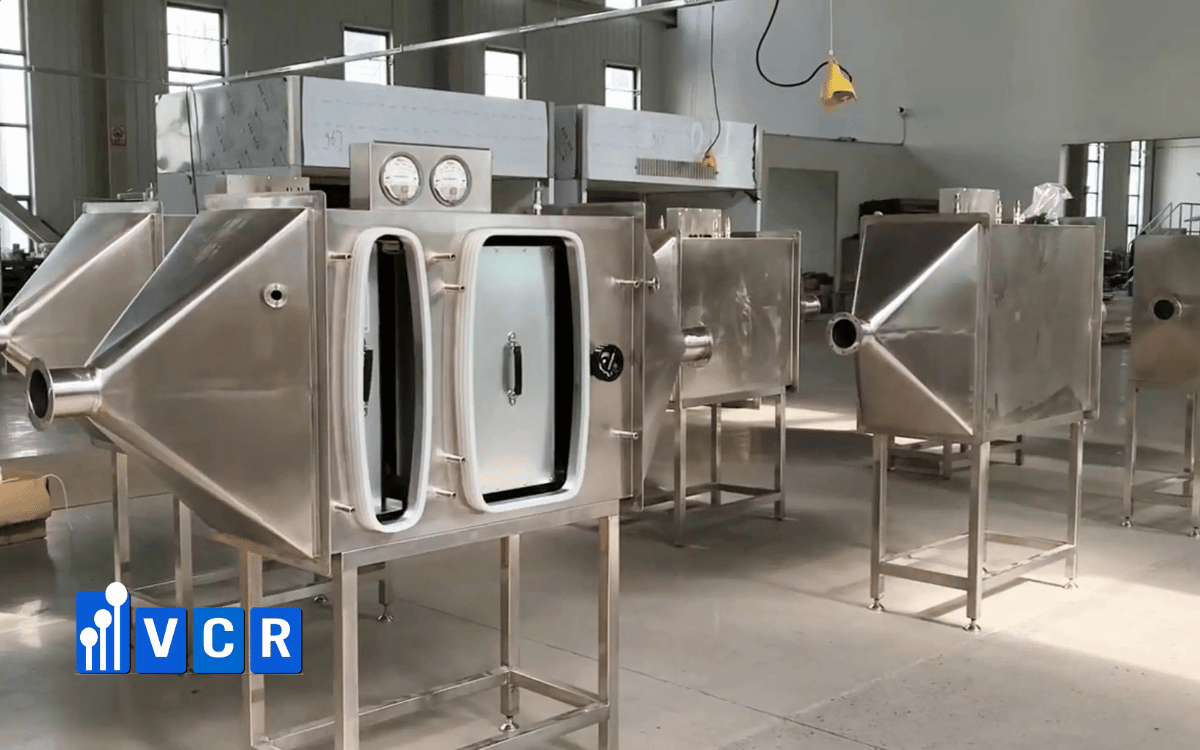
BIBO is not a filter grade or a separate type of HEPA filter. It is a type of filter housing designed with a safe bag-based filter replacement mechanism. When a used HEPA filter needs to be removed, the operator can work through a dedicated bag, place the contaminated filter into the bag, seal the bag, and only then remove it from the system. This method reduces direct contact with the used filter and supports containment, meaning the ability to control contaminants within an acceptable boundary.
In pharmaceutical factories, laboratories, active ingredient handling areas, exhaust air systems, return air systems, or high-risk zones, BIBO is a solution worth considering when the HEPA filter may contain hazardous contaminants. However, BIBO is only effective when it is selected correctly, installed properly, operated correctly, supported by trained personnel, and controlled through a clear SOP.
Why Must HEPA Filter Replacement in Cleanrooms Be Safely Controlled?
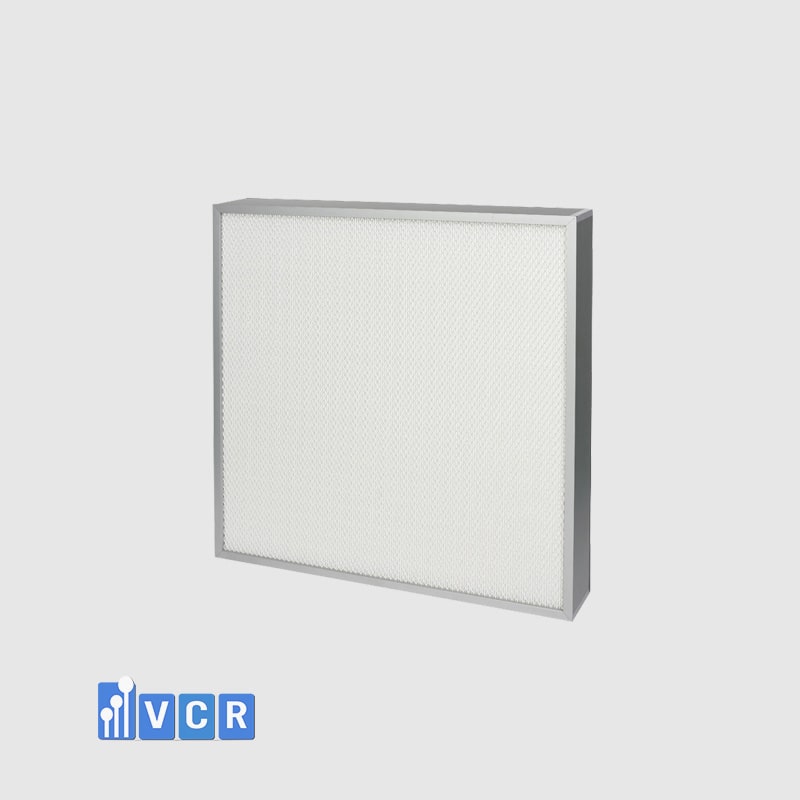
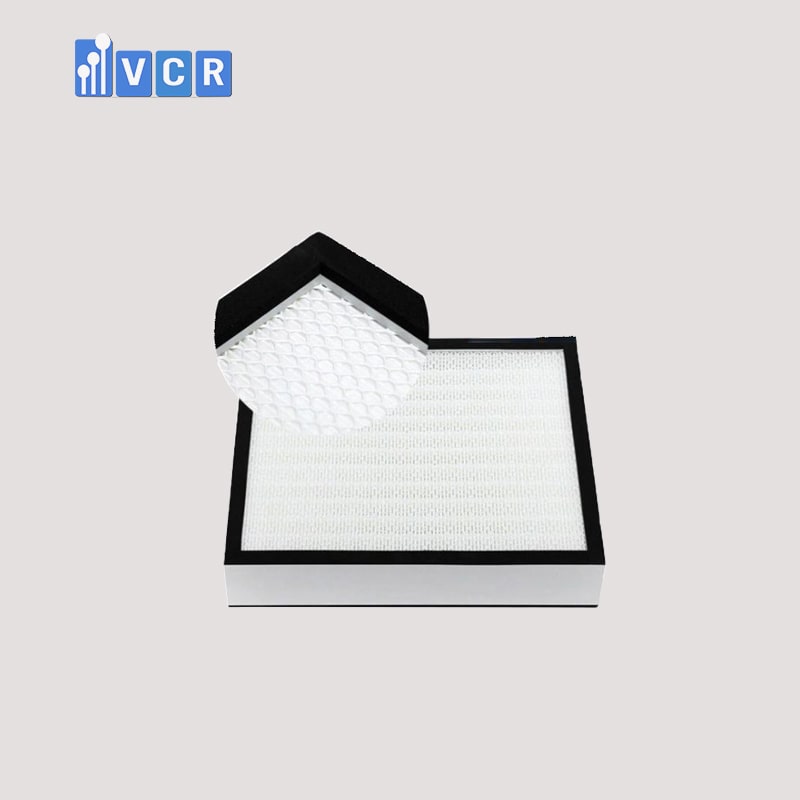
In cleanrooms, the HEPA filter is often considered one of the most important components of air control. HEPA Filter stands for High Efficiency Particulate Air, meaning a high-efficiency particulate air filter. This filter captures particles in the airflow, helping maintain the required cleanliness level for production areas, laboratories, or controlled spaces. However, after a period of operation, the filter is no longer a clean component as it was when first installed. It has become a collection point for dust, particles, microorganisms, active ingredients, chemicals, or contaminants captured by the system.
The greatest risk is not only during normal filtration when the system is operating stably, but also at the moment of filter replacement. When operators open the housing, remove the contaminated filter, and take it out, particles attached to the filter surface or embedded in the filter media may be disturbed. If the filter only captures ordinary dust, the risk may be lower. But if the filter is installed in the exhaust system of an active ingredient handling area, biosafety laboratory, cytotoxic drug production area, or chemical processing area, the used filter may become a hazardous release source.
Therefore, HEPA filter replacement should be considered a risk-bearing maintenance activity. If the operation is not controlled, operators may be exposed to dust or contaminants through inhalation, skin contact, protective clothing, or maintenance tools. The surrounding technical area may also become secondarily contaminated. In a GMP environment, GMP stands for Good Manufacturing Practice. These risks are not only related to operator safety but also to contamination control, maintenance records, and the controlled state of the entire cleanroom system.
An air filtration system may perform well under normal operating conditions but still create risk if the removal of contaminated filters is not properly controlled. This is why BIBO should be understood as a risk-control solution for the filter replacement stage, not merely as an accessory added to the HVAC system. HVAC stands for Heating, Ventilation and Air Conditioning.
Safe filter replacement requires three elements working together: suitable equipment, a suitable operating procedure, and trained operators. BIBO supports the equipment aspect by providing a more enclosed bag-based filter replacement mechanism. However, without an SOP, PPE, and record control, the system may still fail to achieve the intended safety objective. PPE stands for Personal Protective Equipment. SOP stands for Standard Operating Procedure.
What Is a BIBO System?
BIBO stands for Bag In Bag Out, which can be understood as a safe filter replacement system using bags. “Bag In” refers to bringing a bag or a new filter into a controlled safe-handling process. “Bag Out” refers to removing the contaminated filter in a sealed bag. In practice, BIBO is used to reduce direct contact between operators and contaminated filters during replacement.
In essence, BIBO is not the HEPA filter itself. BIBO is a type of filter housing designed so that operators can remove and install filters through a bag. Inside a BIBO system, HEPA filters, ULPA filters, or other filter types may be installed depending on the design requirements. ULPA Filter stands for Ultra Low Penetration Air, meaning an air filter with extremely low particle penetration.
In a conventional system, when filter replacement is needed, operators may open the housing door and pull the filter directly out. With BIBO, this operation is performed through a dedicated bag. The bag is attached to the housing opening, then the operator opens the service door, pulls the contaminated filter into the bag, seals the bag, and removes the filter. This creates a physical barrier between the contaminated filter and the external environment.
BIBO is also known by several English names, such as Bag-In/Bag-Out System, BIBO Filter Housing, Bag-In Bag-Out Filter Housing, Safe Change Housing, Safe Change Filter Housing, or Containment Filter Housing. Safe Change Housing means a safe filter-change housing. Containment Filter Housing means a filter housing designed to control contaminant release.
In Vietnamese, BIBO may be called hệ thống BIBO, hộp lọc BIBO, vỏ chứa lọc BIBO, hộp lọc thay túi an toàn, hệ thống thay lọc HEPA an toàn, or hệ thống thay lọc bằng túi. Although the wording may vary, the core concept remains the same: a Bag In Bag Out mechanism that uses a bag to reduce release risk during filter replacement.
It is important not to understand BIBO as a device that “filters better” than a standard HEPA housing. Filtration performance depends on the HEPA filter grade, filter sealing, airflow volume, and system design. BIBO mainly makes filter replacement safer. Therefore, when evaluating BIBO, the housing, bag, gasket, clamping mechanism, filter-locking mechanism, installation position, and operating procedure must all be considered.
How Is BIBO Related to HEPA Filters in Cleanrooms?
BIBO and HEPA filters are closely related but are not the same thing. The HEPA filter is the high-efficiency air filter that captures particles in the airflow. BIBO is the housing system that contains the filter and helps replace it more safely after it becomes contaminated. Simply put, the HEPA filter is the filtration component, while BIBO is the containment and bag-based replacement mechanism.
In cleanrooms, HEPA filters may be installed in many different locations, such as in AHUs, ductwork, terminal filter boxes, exhaust air systems, or return air systems. AHU stands for Air Handling Unit. If a HEPA filter only handles clean air or ordinary dust, the risk during replacement may not be very high. But if the HEPA filter is installed on the exhaust path of a high-risk area, the filter may contain contaminants requiring strict control.
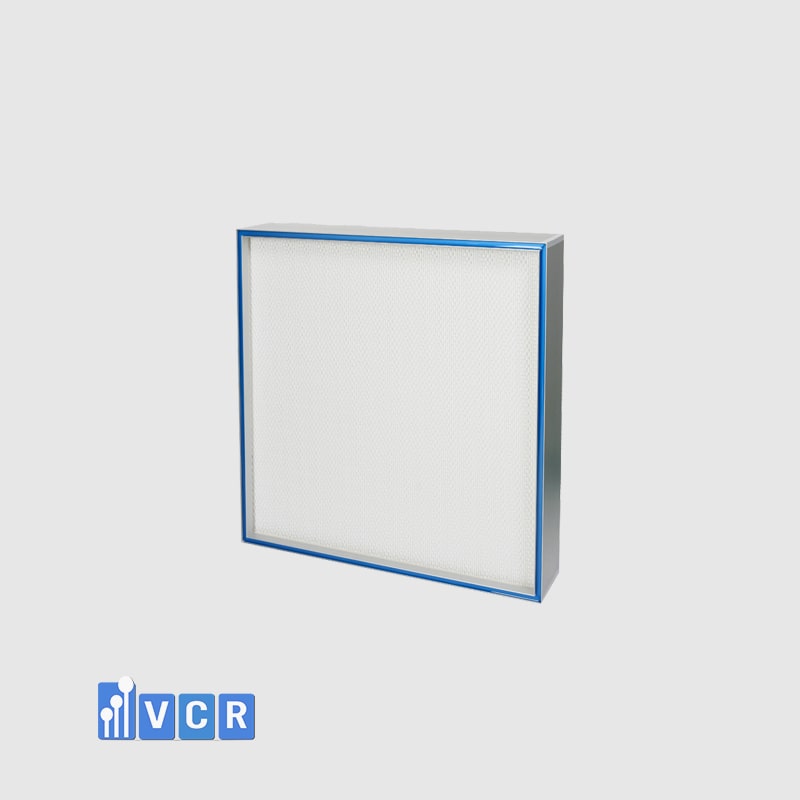
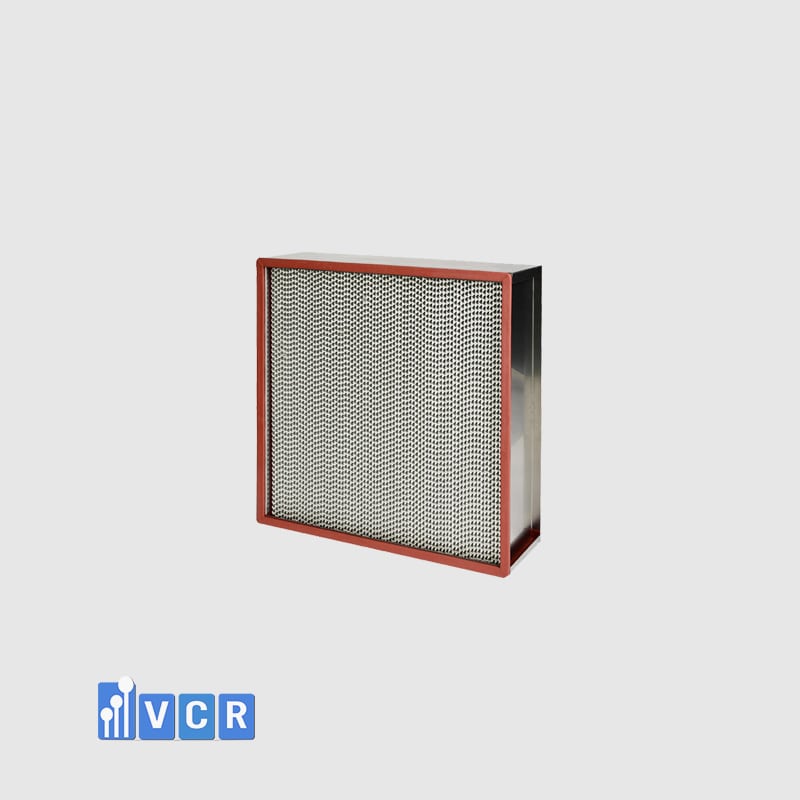
BIBO does not increase the HEPA filter grade. For example, if the system uses HEPA H13 or HEPA H14, the filter grade is still determined by the filter itself. BIBO does not turn H13 into H14 and does not make the filter media more efficient. The value of BIBO lies in the removal and installation stage, when the filter has accumulated contaminants and must be removed from the system.
In some systems, BIBO may also be used for ULPA filters or other filter stages. ULPA filters are typically used when very strict particle control is required. If a ULPA filter is installed in a high-risk area, a bag-based filter replacement mechanism may also be needed. In addition, some BIBO configurations may contain pre-filters, medium filters, or carbon filters depending on the requirement. A pre-filter is a primary or coarse filter. A medium filter is an intermediate filter. A carbon filter is an activated carbon filter.
When selecting BIBO for a HEPA filter, it is necessary to consider filter size, filter installation direction, sealing gasket, system pressure, airflow volume, leak-test ports, differential pressure gauge, and filter replacement space. If the housing is not compatible with the filter or is not sufficiently tight, the performance of the entire system will be affected.
Therefore, BIBO is related to HEPA filters through its role in protecting the filter replacement process. It helps remove contaminated HEPA filters from the system under better-controlled conditions. For high-risk cleanrooms, this is a very important difference compared with standard housings.
Why Is BIBO Considered a Safe Solution for HEPA Filter Replacement?
BIBO is considered a safe HEPA filter replacement solution because it helps reduce the risk of contaminant release when a used filter is removed from the system. After a HEPA filter has operated for a long time, it may contain dust, particles, microorganisms, active ingredients, chemicals, or high-risk contaminants. If the housing is opened and the filter is removed directly, these contaminants may be released into the maintenance area.
With conventional filter replacement, operators often work very close to the used filter. When the filter is pulled out, dust may fall, settle on gloves, garments, tools, or surrounding surfaces. For ordinary filters in low-risk areas, standard maintenance procedures may be sufficient. But for filters that have captured hazardous contaminants, direct contact may create exposure risk.
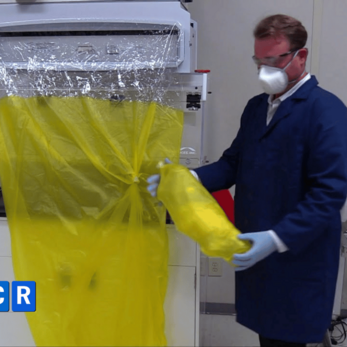
BIBO creates a physical barrier using the filter replacement bag. The operator attaches the bag to the housing opening, handles the filter inside the bag, pulls the contaminated filter into the bag, and seals the bag before removing it. As a result, the contaminated filter is not exposed openly to the surrounding environment. This helps reduce dust release and direct contact between the operator and the filter surface.
Operator protection means protecting the person performing the operation. This is one of the main objectives of BIBO. When replacing HEPA filters in areas containing active ingredients, microorganisms, or toxic dust, operators are closest to the risk source. BIBO helps reduce contact by keeping the operation within a more enclosed bag environment.
Environmental protection means protecting the surrounding environment. If dust from the used filter is released into the technical room or maintenance area, surrounding surfaces may become contaminated. From there, contaminants may spread to other areas through footwear, carts, tools, or movement routes. BIBO helps reduce this secondary contamination risk.
However, BIBO should not be misunderstood as making every operation absolutely safe by itself. If the bag is unsuitable, the bag clamp is not tight, operators are not trained, or the SOP is unclear, risks may still occur. BIBO is an equipment-based safety support solution, but it must be used together with PPE, SOPs, training, and proper contaminated-filter disposal.
Therefore, BIBO is considered a safe HEPA filter replacement solution not because it replaces all protective measures, but because it adds an important control layer at the highest-risk point in the filter life cycle: the removal of the contaminated filter from the system.
What Components Does a BIBO System Include?
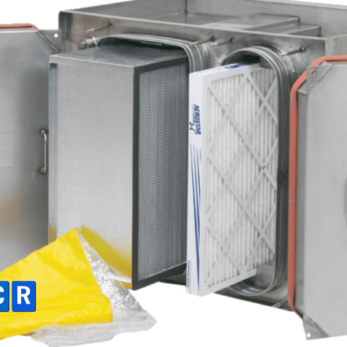
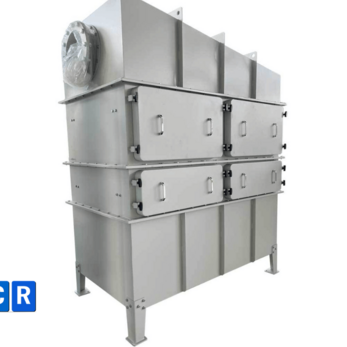
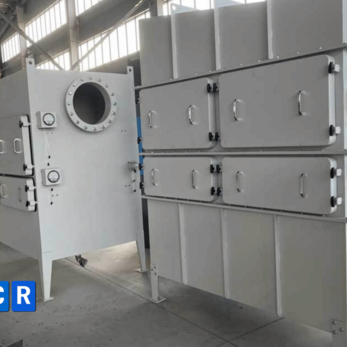
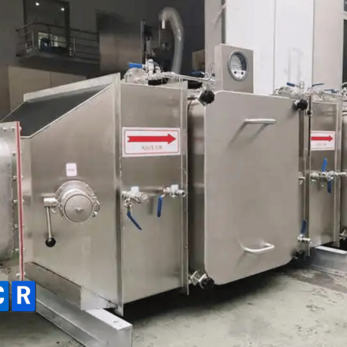
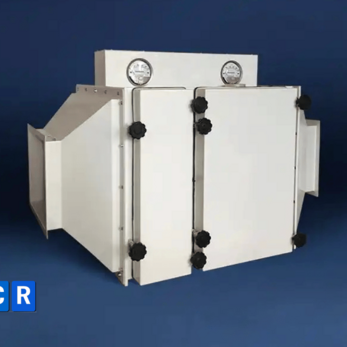
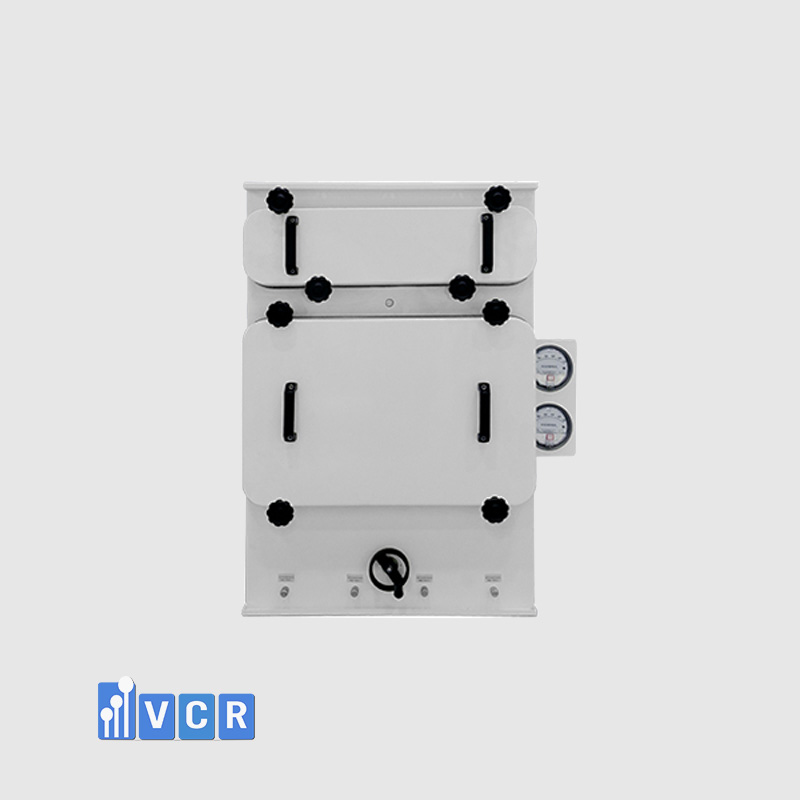
A BIBO system usually includes several components that work together to ensure filter containment, stable operation, and safe replacement. The first component is the filter housing. Housing is the main body of the system where the HEPA filter is installed. The housing must have a strong structure, good sealing, suitable materials, and proper connection capability with ductwork or the AHU.
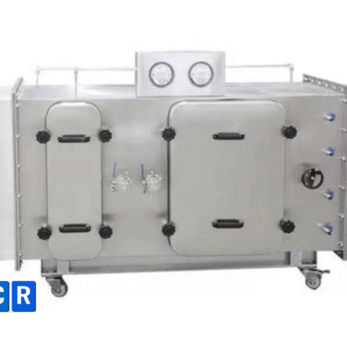
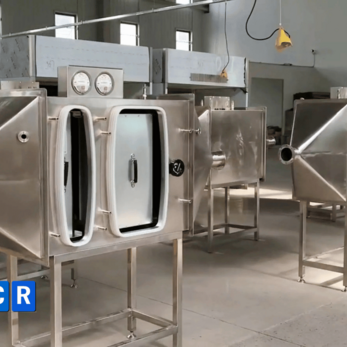
The service door allows operators to access the filter when replacement is needed. In BIBO, the service door is not simply a normal opening door; it must work together with the bag attachment opening. The bag attachment opening is where the BIBO bag is attached before the filter is removed. This part must allow the bag to be securely fixed and help reduce leakage during handling.
The BIBO bag is the component that directly encloses the used filter during replacement. The bag must have dimensions suitable for the housing and filter. The bag material must be strong enough to withstand pulling, pushing, rotating, holding the contaminated filter, and sealing. If the bag is too thin, incorrectly sized, or incompatible with the contaminant, filter replacement safety is affected.
The bag clamping ring or bag clamping mechanism secures the bag to the housing opening. If the clamp is not firm, the bag may detach or gaps may appear. This is critical because the BIBO principle depends on maintaining a physical barrier between the contaminated filter and the external environment.
The filter-locking or filter-clamping mechanism holds the filter in the correct position inside the housing. The filter must be pressed tightly against the sealing gasket. A gasket is a sealing component that ensures air passes through the filter rather than around gaps. If the gasket is not tight or the filter is installed incorrectly, air may bypass the filter, reducing particle-control performance.
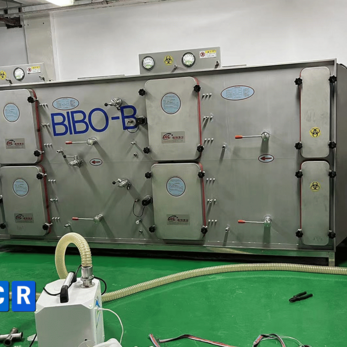
A BIBO system usually includes a differential pressure gauge to monitor filter condition. Differential pressure means the pressure difference across the filter. When a filter becomes dirty, differential pressure usually increases. If differential pressure is abnormal, the factory may need to inspect the filter, housing, or airflow path. The differential pressure gauge helps determine maintenance timing and monitor operating trends.
Some BIBO systems include test ports, scan test ports, or DOP/PAO test ports. A scan test is a filter leak-scanning test. DOP/PAO testing refers to aerosol-based leak testing. PAO stands for Poly Alpha Olefin, an aerosol commonly used in filter testing. These ports support leak and sealing tests after installation or filter replacement.
In addition, BIBO includes duct connections, the housing body, support frames, vibration-control elements, and other accessories. The effectiveness of BIBO depends on the whole system, not only the HEPA filter. Housing, bag, clamp, gasket, filter lock, and operating procedure must all be suitable.
Operating Principle of a BIBO System
The operating principle of a BIBO system is based on the Bag In Bag Out mechanism, meaning safe filter replacement through a bag. When a HEPA filter needs to be replaced, operators do not remove the contaminated filter directly in an open condition. Instead, they work through a bag attached to the housing. This allows the used filter to be removed from the system inside a more enclosed layer.
The process begins by preparing a suitable BIBO bag, PPE, and necessary tools. The operator checks the housing, service door, bag clamping mechanism, bag condition, and surrounding area. Then the bag is attached to the housing opening and secured with a clamp or retention mechanism. Correct bag attachment is critical because it is the barrier between the contaminated filter and the external environment.
Once the bag is secured, the operator opens the service door within the bag and accesses the old filter. The filter is released from the locking or clamping mechanism and then pulled into the bag. During the entire process, the contaminated filter is not removed from the housing in an open state. Removing, pulling, and placing the filter into the bag must all follow the SOP.
When the contaminated filter is inside the bag, the bag is tied, clamped, or heat-sealed according to the procedure. Some procedures may require two sealing points and cutting between them to separate the bag section containing the contaminated filter from the housing while maintaining control. The specific method depends on the BIBO design and the factory’s internal procedures.
After the used filter is removed in a sealed bag, the new filter is introduced and installed in the correct position. The new filter must be placed in the correct direction, frame, gasket, and locking mechanism. After installation, the operator checks differential pressure, sealing, and operating status. If required, a HEPA leak test or scan test may be performed to confirm that the filter and filter seat are not leaking.
The key point is that the BIBO principle is not about “filtering cleaner,” but about “replacing filters more safely.” BIBO supports containment during contaminated filter removal. However, containment effectiveness depends on the equipment, bag, operation, PPE, SOP, and operator skill. If the wrong bag is used, sealing is incorrect, or the operation does not follow the procedure, risk may still occur.
Therefore, BIBO should be seen as a combination of mechanical design and operating procedure. A good housing is not enough if the filter replacement personnel are not trained. Conversely, a good procedure is difficult to implement if the equipment lacks service space, the bag clamp is not secure, or the housing is not tight.
How Is BIBO Different from Standard HEPA Housing?
Standard HEPA housing is the enclosure that holds a HEPA filter in an air system. Its main function is to keep the filter in the correct position, ensure air passes through the filter, and connect to ductwork or the AHU. For low-risk areas, standard HEPA housing can meet operation and maintenance requirements effectively.
BIBO is also a type of HEPA housing, but it is designed with an additional safe bag-based filter replacement mechanism. This is the core difference. While standard housing mainly focuses on holding and sealing the filter, BIBO also focuses on removing contaminated filters without exposing them directly to the external environment.
When replacing a filter in standard housing, operators may need to open the door, hold the used filter, and pull it out of the system. If the filter only contains ordinary dust, this process may be acceptable with suitable PPE and cleaning. But if the filter contains active ingredients, microorganisms, toxic dust, or hazardous contaminants, direct handling may create release risk.
With BIBO, the used filter is handled within the bag. The bag is attached to the housing opening before the filter is pulled out. Once the filter is inside the bag, the bag is sealed before removal. This reduces contact and release risk during replacement. That is why BIBO is also called Safe Change Housing.
However, BIBO should not be selected only because it seems “more advanced.” If the system only handles ordinary dust, has no hazardous contaminants, and direct filter replacement is assessed as low risk, standard HEPA housing may be a more reasonable choice in terms of cost and operation. BIBO usually costs more, requires more maintenance space, and demands a more complex operating procedure.
Conversely, if the filter may retain contaminants requiring containment, BIBO should be seriously considered. In pharmaceutical, biological, chemical, or high-risk production areas, the value of BIBO lies in controlling the risk of the contaminated filter, not simply in its mechanical structure.
Therefore, the difference between BIBO and standard HEPA housing is not about which filter is better, but about how the filter is replaced. Standard housing is suitable for low-risk applications. BIBO is suitable when HEPA filter replacement must be more safely controlled.
The Role of BIBO in Cleanroom Containment Control
Containment means the ability to control contaminants within an acceptable boundary. In cleanrooms, containment is not only related to room design, pressure, airflow, or production equipment. It is also related to maintenance activities such as HEPA filter replacement. When a contaminated filter is removed, containment may be broken if the operation is not properly controlled.
BIBO mainly supports containment at the filter replacement stage. During normal operation, the HEPA filter captures particles and contaminants in the airflow. But when the filter needs to be replaced, contaminants accumulated on the filter may be released if the filter is removed directly. BIBO places the filter into a bag and seals it before it is moved out, reducing release risk into the surrounding environment.
The first role of BIBO is operator protection. The filter replacement operator is the person closest to the contaminated filter. If the filter contains active ingredient dust, microorganisms, chemicals, or hazardous aerosols, exposure may occur through inhalation, skin, eyes, or clothing. BIBO creates a physical barrier between the operator and the filter.
The second role is protecting the maintenance area. If the contaminated filter is removed directly, dust may settle on floors, walls, tools, carts, or surrounding equipment. These areas may then become secondary contamination sources. BIBO reduces the possibility of dust escaping from the filter during removal.
The third role is protecting the cleanroom system and external environment. Especially in high-risk exhaust air systems, the filter may be the component that captures contaminants before air is discharged. During replacement, if the operation is not controlled, contaminants may be released into the technical area or around the system. BIBO helps control this risk point.
However, BIBO does not fully replace other safety measures. For biological agents, decontamination may be needed before filter replacement. For toxic chemicals, chemical safety and environmental regulations must be followed. For high-risk active ingredients, exposure assessment, PPE, contaminated-filter packaging, and waste disposal must be considered. BIBO is one part of the containment strategy, not the entire strategy.
For effective containment, BIBO should be combined with risk assessment, SOPs, PPE, training, periodic inspection, and maintenance records. Risk assessment identifies what risk the contaminated filter poses, how severe it is, and what control measures are needed during filter replacement.
Where Is BIBO Commonly Installed in Cleanroom Systems?
BIBO is commonly installed where the HEPA filter may contain hazardous contaminants after operation. One common location is the exhaust air path from high-risk areas. If a room handling active ingredients, microorganisms, toxic dust, or chemicals has an exhaust system, the filter on the exhaust line may require BIBO housing for safe replacement.
BIBO may also be installed on the return air path. Return air means air that is sent back to the air-handling system. If return air comes from an area that may contain active ingredient dust, aerosols, or biological agents, the filter in the return path may accumulate contaminants requiring control. In this case, BIBO helps reduce risk during filter replacement.
Another location is inside the AHU. AHU stands for Air Handling Unit. Some AHU systems serving high-risk areas may integrate a BIBO filter section. However, not every AHU requires BIBO. If the AHU only handles air for low-risk areas, standard housing may be more suitable. The decision must be based on the nature of the air passing through the filter and the risk of the used filter.
BIBO may also be installed in ductwork, meaning the air duct system. When installed in ductwork, access position, door-opening direction, bag attachment space, connection tightness, and supports must be considered. A BIBO unit with the correct configuration but installed in a cramped location will be difficult to operate during real filter replacement.
In pharmaceutical factories, BIBO may be used in exhaust treatment from active ingredient weighing rooms, cytotoxic drug production areas, high-risk material handling areas, or rooms requiring strict cross-contamination control. In laboratories, BIBO may be installed in the exhaust system of biosafety rooms, sample handling rooms, or areas with hazardous aerosols.
The important point is that not every HEPA installation point needs BIBO. If the HEPA filter supplies clean air to a normal cleanroom, the risk of the used filter may be lower. If the HEPA filter is located in an air path carrying hazardous contaminants, BIBO should be considered. Therefore, BIBO placement should be determined through risk assessment of the airflow and the filter after operation.
Applications of BIBO in Pharmaceutical Factories and GMP Cleanrooms
In pharmaceutical factories, BIBO is often considered when HEPA filters may retain active ingredients, hazardous dust, or contaminants requiring control. API stands for Active Pharmaceutical Ingredient. When handling powdered APIs, especially potent active ingredients or substances with low exposure limits, API dust may be captured by filters in exhaust, return air, or local extraction systems.
One common application is the API handling area. If the air system in this area uses HEPA filters to control active ingredient dust, filter replacement must be performed safely. BIBO reduces direct contact with filters that have accumulated API dust, supporting the protection of maintenance personnel and the surrounding environment.
BIBO may also be used in high-risk raw material dispensing areas. Weighing areas often generate dust when bags are opened, powder is poured, materials are weighed, and materials are transferred into containers. If the exhaust or air filtration system in the weighing area captures hazardous dust, conventional filter replacement may not be suitable. BIBO helps better control the process of removing the used filter from the system.
In cytotoxic drug production areas or highly potent product areas, BIBO becomes especially meaningful. Filters in these areas may contain substances requiring strict control. If filters are removed directly, exposure risk may be high. BIBO supports bag out, meaning removal of the used filter inside a sealed bag, reducing release during maintenance.
BIBO may also be integrated into pharmaceutical HVAC systems in areas with cross-contamination risks. If an air system serves areas containing active ingredients or special materials, filters may need a safe replacement mechanism. In GMP environments, filter replacement is an activity that requires records, procedures, and clear inspection criteria.
For sterile cleanrooms, BIBO is not always mandatory. However, if the filter is related to areas with microbiological risk, special contaminants, or hazardous exhaust air, BIBO may be considered. The decision should be based on GMP requirements, HVAC design, product type, risk assessment, and maintenance procedures.
In pharmaceuticals, the key point is that a used HEPA filter may become a risk source if it has captured hazardous contaminants. BIBO helps factories control this risk during maintenance.
Applications of BIBO in Laboratories and High-Risk Areas
In laboratories, especially biosafety laboratories, BIBO is used when HEPA filters may accumulate biological agents, aerosols, or hazardous materials. Aerosols are airborne droplets or particles suspended in air. Biosafety means biological safety. When these agents are captured on filters, the used filter must be treated as a potential risk source.
Microbiology research areas, testing laboratories, high-risk sample handling rooms, or biological research areas may generate exhaust air containing biological particles. If the exhaust air system includes HEPA filters, the filters after operation may contain microorganisms or biological materials. BIBO allows filter replacement through a bag, reducing release into the room or maintenance area.
In laboratories handling toxic chemicals, BIBO may be used if the system includes particulate filters or adsorption filters that must be replaced safely. However, it is important to distinguish clearly: if the main risk is chemical vapor or toxic gas, BIBO does not replace a Fume Hood or specialized gas treatment system. A Fume Hood is a chemical fume hood. BIBO only supports safe filter replacement when the filter has captured contaminants requiring control.
BIBO may also be used in high-risk sample handling areas where contaminants can accumulate on filters in local exhaust systems. During filter replacement, the bag-out mechanism helps reduce direct contact with the used filter. This is especially important if samples carry biological, chemical, or toxic dust risks.
For biological agents, BIBO may need to be combined with decontamination before filter replacement. Depending on the biosafety level and internal requirements, the filter or housing may need to be decontaminated before handling. BIBO supports the physical containment aspect but does not replace decontamination if it is required.
For high-risk areas, it is necessary to identify what contaminant may be on the filter, how hazardous it is, what PPE operators need, whether the BIBO bag is suitable, how the used filter will be disposed of, and whether post-replacement testing is required. When these elements are controlled, BIBO can play an important role in reducing maintenance risk.
When Should BIBO Be Used for HEPA Filter Replacement?
BIBO should be used for HEPA filter replacement when the filter may contain hazardous contaminants or when direct filter removal may create risks for operators, the maintenance area, or the external environment. This is the most important principle when deciding whether BIBO is necessary.
The first case is when the HEPA filter may contain toxic dust or high-risk particles. If a production area or laboratory generates dust that is toxic, irritating, sensitizing, or requires release control, the used filter should not be treated like an ordinary filter. BIBO helps reduce release risk during removal.
The second case is when the system is related to pharmaceutical active ingredients. With powdered APIs, especially potent active ingredients or substances with low exposure limits, filters may accumulate API dust. If filters are removed directly, operators may be exposed. BIBO helps control this risk point more effectively.
The third case is areas involving biological agents. If a HEPA filter may capture microorganisms, aerosols, or hazardous biological materials, BIBO should be considered as part of a biosafety strategy. Depending on the risk level, decontamination, special waste treatment, or multi-layer packaging may also be required.
The fourth case is high-risk exhaust air systems. If exhaust air must be filtered before being released to the environment, the filter on the exhaust path may contain contaminants requiring control. BIBO makes filter replacement safer.
However, not every HEPA system in a cleanroom requires BIBO. If the filter only handles ordinary dust, the risk is low, and the standard filter replacement procedure is sufficiently safe, standard HEPA housing may be more appropriate. BIBO usually has a higher cost, requires more service space, and demands more thorough operator training.
The decision to use BIBO should be based on risk assessment. This assessment should consider contaminant type, hazard level, exposure route, filter position, replacement frequency, operator, PPE, used filter disposal, GMP requirements, biosafety requirements, or internal standards.
In short, BIBO should be used when the risk of the used HEPA filter is high enough to require a safer replacement mechanism. It should not be selected merely because it sounds advanced, but it should not be ignored when the filter may become a hazardous release source.
Criteria for Selecting a Suitable BIBO System for Cleanrooms
The first criterion when selecting a BIBO system is the type of contaminant that the filter may capture. If the contaminant is only ordinary dust, the requirements may be simpler. If the contaminant is a pharmaceutical active ingredient, microorganism, aerosol, toxic dust, hazardous chemical, or cytotoxic drug, the BIBO system must meet suitable containment requirements.
The second criterion is the hazard level of the used filter. It is not enough to know what air passes through the filter; it is also necessary to know what the filter will accumulate after operation. A new filter may be safe, but a used filter may become a risk source. This is an important point in risk assessment.
The third criterion is installation position. BIBO may be installed on exhaust air lines, return air lines, ductwork, or inside an AHU. Each location has different requirements for space, service direction, system pressure, connection tightness, and maintenance access. If the installation position is not convenient, safe filter replacement will be difficult to perform.
The fourth criterion is airflow volume and system pressure. The BIBO housing must match the airflow volume, filter resistance, and operating pressure conditions. If the wrong size is selected, the system may create excessive pressure loss, affect HVAC performance, or fail to meet airflow requirements.
The fifth criterion is HEPA filter grade and filter configuration. It is necessary to determine whether HEPA H13, HEPA H14, or another filter grade is required; whether pre-filters or additional filter stages are needed; and whether the filter must be leak-tested after installation. If HEPA leak testing or scan testing is required, the BIBO system must include suitable test ports.
The sixth criterion is housing material, sealing, and gaskets. The housing must be made of material suitable for the operating environment, with easy-to-clean surfaces, strong construction, and good sealing. Gaskets, service doors, filter-locking mechanisms, and bag attachment points must all be designed to reduce leakage.
The seventh criterion is the BIBO bag type and bag clamping mechanism. The bag must be correctly sized, strong enough, suitable for the contaminant, and easy to handle. The clamping mechanism must be secure so the bag does not detach or leak during filter replacement.
The final criterion is qualification documentation, SOPs, maintenance space, and used filter disposal. BIBO is not only mechanical equipment but also part of an operating process. Without SOPs, training, and records, the system is unlikely to achieve long-term safety.
As a cleanroom equipment supplier for cleanroom contractors, VCR Cleanroom Equipment can support consultation on suitable BIBO system configurations for each project, based on contaminant type, HVAC layout, safe HEPA filter replacement requirements, and actual qualification criteria.
Key Considerations When Installing BIBO in Cleanroom HVAC Systems
Installing BIBO in cleanroom HVAC systems should be planned from the design stage. BIBO usually requires more service space than standard HEPA housing because operators must attach the bag, remove the filter inside the bag, seal the bag, and remove the used filter. If the design does not allow enough space, the system may be difficult to operate correctly even if the equipment itself is properly selected.
The first consideration is the BIBO location in ductwork or the AHU. Ductwork means the air duct system. BIBO should be installed in a location that is easy to access, not too high, not too close to walls, and not blocked by other equipment. Operators need enough space to stand, place tools, handle the bag, and move the used filter after bag-out.
The second consideration is service direction. The housing door must open in a convenient direction. The bag attachment opening must be positioned where operators can work easily. If door opening is blocked by ductwork, walls, supports, or accessories, filter replacement becomes difficult and may be unsafe.
The third consideration is duct connection tightness. The BIBO housing must be tightly connected to the duct system or AHU. If the connection leaks, air may escape the controlled path, affecting filtration and containment. Connection points should be checked after installation.
The fourth consideration is support and vibration control. BIBO housing can be relatively heavy, especially when large filters or multiple filter stages are installed. Supports must be strong enough and must not deform the housing. Vibration from fans or ductwork should also be controlled so it does not affect sealing, gaskets, or filter life.
The fifth consideration is differential pressure monitoring. The differential pressure gauge should be placed where it is easy to observe. If the gauge is difficult to see, operators may not monitor it regularly, leading to delayed filter replacement or unnoticed abnormalities.
The final consideration is post-installation testing access. If the system requires HEPA leak testing, scan testing, or airflow testing, test ports must be accessible. If test ports are blocked or difficult to reach, qualification and future maintenance will be challenging.
Proper BIBO installation is not only about installing the correct equipment into the system. It means creating a safe maintenance point where operators can replace filters according to procedure without creating unnecessary risk.
What Should Be Checked During BIBO System Qualification?
BIBO system qualification should check the equipment, filter, replacement mechanism, and actual serviceability. It is not enough to test whether the HEPA filter passes while ignoring the housing, bag, bag clamp, gasket, service door, and maintenance space.
The first step is visual, material, and dimensional inspection. The housing must match the drawings, specified material, installation position, and should show no deformation. Surfaces should be well finished, easy to clean, and free from abnormal gaps. If the housing is deformed, the gasket or door may not seal properly.
The second step is checking the door mechanism, bag clamping mechanism, and bag attachment opening. The door must open and close stably, the door gasket must contact properly, the bag attachment opening must fit the BIBO bag, and the bag clamp must hold securely. If the bag cannot be attached tightly, the Bag In Bag Out principle is compromised.
The third step is checking the filter-locking mechanism and filter gasket. The HEPA filter must be installed in the correct position, pressed against the gasket, and not misaligned. If the filter does not seal properly, air may bypass through gaps, directly affecting filtration performance.
The fourth step is checking the differential pressure gauge and airflow direction. Differential pressure helps monitor filter condition during operation. Airflow direction must match the design. If the system is installed in the wrong direction or position, it may not work as intended.
The fifth step is performing tests if required by the project. HEPA leak testing checks for leakage in the HEPA filter. Scan testing is filter leak scanning. DOP/PAO testing uses test aerosol. These tests confirm that the filter and filter seat do not leak. For systems serving high-risk areas, these tests are often very important.
A simulated filter replacement operation is also highly recommended. The operator or qualification team should verify that there is enough space to attach the bag, remove the filter, pull it into the bag, seal the bag, and take the used filter bag out. If the simulated operation is difficult, actual contaminated filter replacement will carry higher risk.
Handover documentation should include drawings, technical specifications, filter certificates, operating instructions, filter replacement instructions, test results, qualification records, and maintenance recommendations. For BIBO, documentation is important because the system is directly related to maintenance safety and containment control.
What Should Be Considered in HEPA Filter Replacement Using BIBO?
HEPA filter replacement using a BIBO system must follow the factory’s internal SOP. The content below describes only general principles and does not replace official procedures. Each contaminant type, risk level, and BIBO design may require different operations.
Before filter replacement, suitable PPE, BIBO bags, bag-sealing tools, warning labels if needed, used filter containers, and records should be prepared. Operators must understand what contaminants the filter may contain, how hazardous they are, and how the used filter must be handled after removal.
Before opening the housing, system condition should be checked. If the SOP requires fan shutdown, air path isolation, pressure reduction, or decontamination, these steps must be completed. The operation sequence should not be changed without suitable assessment and approval.
When attaching the bag to the housing opening, the bag must be secured correctly using the clamping mechanism. The bag must not be torn, punctured, incorrectly sized, or misaligned. Only after the bag is attached should the operator open the service door and remove the filter within the bag.
The contaminated filter should be pulled into the bag carefully, avoiding strong impact or excessive disturbance of dust on the filter. Once the filter is inside the bag, the bag is tied, clamped, or heat-sealed according to the SOP. If double-bagging is required, it must be performed correctly to reduce risk during transport and disposal.
Used filters must be disposed of according to the contaminant type. If the filter contains biological agents, biological waste regulations must be followed. If it contains pharmaceutical active ingredients or chemicals, safety, environmental, and GMP requirements must be followed. A used filter should not be treated as ordinary waste if it may contain hazardous contaminants.
After the old filter is removed, the new filter is installed in the correct direction, position, and locking mechanism. Gasket contact, differential pressure, and operating status should be checked after installation. If required, HEPA leak testing or related testing should be performed before the system returns to official operation.
All filter replacement activities should be recorded: replacement date, operator, old filter code, new filter code, filter condition, differential pressure before and after replacement, test results, disposal method, and any deviations. In GMP cleanrooms, records are important evidence that maintenance activities are controlled.
Common Mistakes When Selecting and Using BIBO
The first mistake is selecting BIBO only because it is considered advanced equipment. BIBO is not always necessary for every HEPA system. It should be selected when risk assessment shows that the used filter may create hazards during replacement. Without risk-based selection, factories may invest in the wrong area.
The second mistake is not assessing the risk of the used filter. Many people only consider what kind of air the system filters during operation, but do not consider what the filter contains after use. The decision to use BIBO must be based on the used filter condition, not only the new filter condition.
The third mistake is selecting the wrong housing size. If BIBO does not match the airflow volume, filter size, system pressure, or installation space, the equipment may be difficult to operate or may fail to meet specifications. BIBO must be selected in coordination with the HVAC system, AHU, or ductwork.
The fourth mistake is not allowing enough service space. BIBO requires space to attach the bag, pull out the filter, seal the bag, and remove the used filter. If the housing is installed too close to a wall or blocked by other equipment, safe filter replacement may not be performed correctly.
The fifth mistake is using an unsuitable bag. The BIBO bag must be correctly sized, strong enough, and suitable for the contaminant. It should not be treated as a random accessory. If the bag tears or does not seal properly, the BIBO principle is affected.
The sixth mistake is not checking housing tightness, gaskets, and clamping mechanisms. A system called BIBO but with housing leaks, loose gaskets, or weak bag clamps cannot achieve containment.
The seventh mistake is not training operators. BIBO is effective only when used correctly. Filter replacement personnel must understand the Bag In Bag Out principle, how to attach the bag, how to seal it, how to dispose of the used filter, and how to respond if an incident occurs.
The final mistake is not having an SOP and not keeping records. BIBO is associated with risk-bearing maintenance and therefore needs clear procedures and complete records. The biggest mistake is thinking that BIBO is automatically safe. In reality, BIBO is effective only when the equipment is correct, the bag is suitable, the operation is correct, operators are trained, and records are controlled.
FAQ – Frequently Asked Questions About BIBO Systems and Safe HEPA Filter Replacement
Question: What is BIBO?
BIBO stands for Bag In Bag Out, meaning a safe filter replacement system using bags. It is a housing or filter containment system that allows contaminated filters to be removed in sealed bags, helping limit contaminant release during replacement.
Question: What does BIBO stand for?
BIBO stands for Bag In Bag Out. “Bag In” refers to bringing a bag or new filter into a safe handling process, while “Bag Out” refers to removing the contaminated filter in a sealed bag.
Question: What does Bag In Bag Out mean?
Bag In Bag Out means handling filter insertion and removal through a bag. In air filtration systems, it refers to a filter replacement method in which the contaminated filter is enclosed in a bag before being removed from the housing.
Question: Is BIBO a HEPA Filter?
No. BIBO is not a HEPA Filter. BIBO is a filter housing or safe bag-based filter replacement system. HEPA filters, ULPA filters, or other filter stages may be installed inside BIBO depending on requirements.
Question: How does BIBO replace HEPA filters?
BIBO allows operators to attach a bag to the housing, remove the contaminated filter inside the bag, place the filter into the bag, seal the bag, and then remove it. This reduces direct contact with the contaminated filter and limits release.
Question: How is BIBO different from standard HEPA housing?
Standard HEPA housing mainly holds the filter. BIBO adds a safe bag mechanism for replacing contaminated filters under better release-control conditions, making it suitable for areas with hazardous contaminants or containment requirements.
Question: When is BIBO needed for HEPA filter replacement?
BIBO should be used when a HEPA filter may contain toxic dust, pharmaceutical active ingredients, microorganisms, aerosols, hazardous chemicals, cytotoxic drugs, or contaminants requiring containment. The decision should be based on the risk of the used filter.
Question: Is BIBO mandatory in GMP cleanrooms?
Not all GMP cleanrooms require BIBO. Its use depends on contaminant type, filter location, replacement risk, and internal requirements. If the filter only captures ordinary dust and the risk is low, standard housing may be sufficient.
Question: Is PPE required when replacing filters with BIBO?
Yes. BIBO reduces risk but does not replace PPE. Operators still need personal protective equipment suitable for the contaminant type and the factory’s SOP.
Question: Can BIBO be used for ULPA filters?
Yes. BIBO can be used for ULPA filters if the system is designed accordingly. It can also be used for HEPA filters or other filter stages depending on the application.
Question: What should be checked during BIBO qualification?
The housing, material, tightness, service door, bag clamp, bag, gasket, filter lock, differential pressure gauge, test ports, HEPA leak test or scan test if required, and simulated filter replacement should be checked.
Question: What should contractors consider when advising on BIBO systems?
Contractors should identify the contaminant type, used filter risk, installation position, airflow volume, system pressure, HEPA filter grade, maintenance space, replacement procedure, qualification capability, and used filter disposal requirements.
Conclusion: BIBO Is a Safe HEPA Filter Replacement Solution for High-Risk Cleanrooms
The BIBO – Bag In Bag Out system is an important solution when HEPA filters need to be replaced in areas where filters may contain hazardous contaminants. BIBO is not a filter; it is a housing and bag-based filter replacement mechanism designed to reduce release when contaminated filters are removed from the system.
In pharmaceutical cleanrooms, laboratories, biological areas, chemical areas, or high-risk HVAC systems, HEPA filters after operation may become risk sources if removed directly. BIBO creates a physical barrier between the contaminated filter and the external environment, helping protect operators, reduce release, and improve containment control.
However, the decision to use BIBO must be based on the actual risk of the used filter, contaminant type, installation position, filter replacement procedure, service space, qualification capability, and long-term operating requirements. BIBO is effective only when the equipment is suitable, the bag is suitable, operators are trained, and the SOP is followed.
Hai VCR