- Why Does a BIBO System in a GMP Cleanroom Need Specific Technical Requirements?
- What Is BIBO in a GMP Cleanroom System?
- Core Technical Principle of BIBO: Safer Filter Replacement, Not Cleaner Filtration
- Requirements for Risk Assessment Before Selecting BIBO
- Requirements for Installation Location in HVAC, AHU, and Ductwork
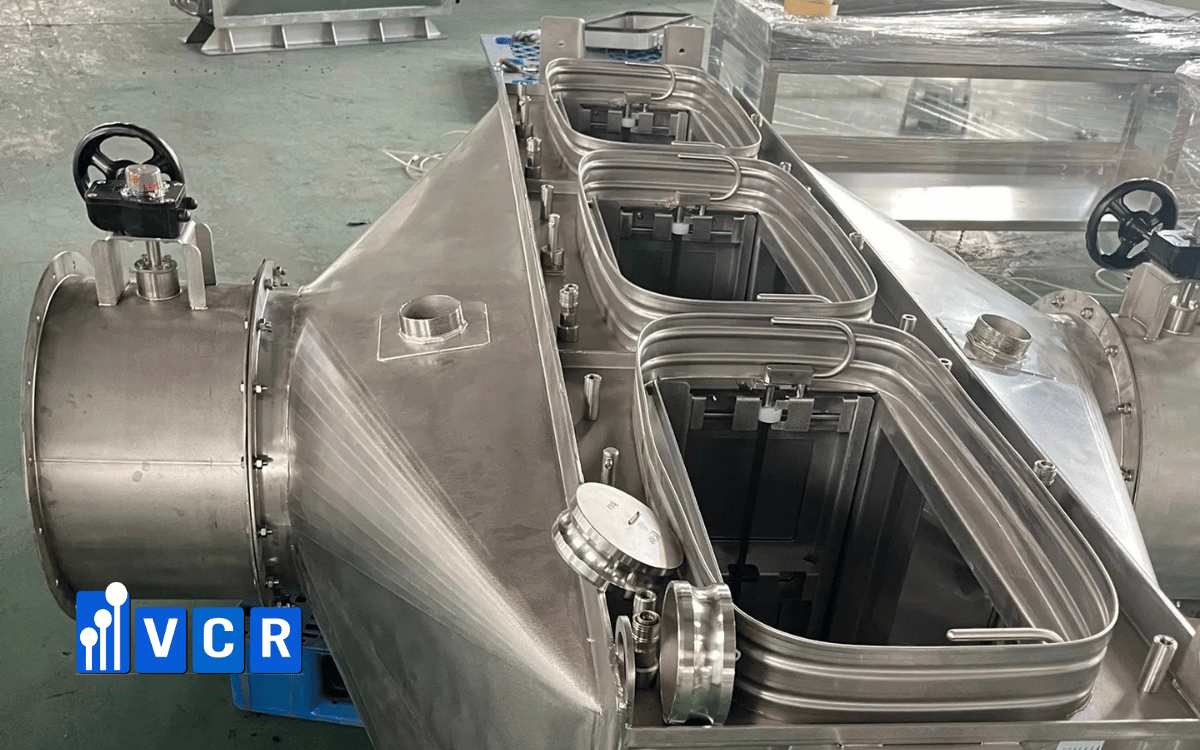
- Requirements for Housing Material and Surface Finish
- Requirements for BIBO Filter Housing Tightness
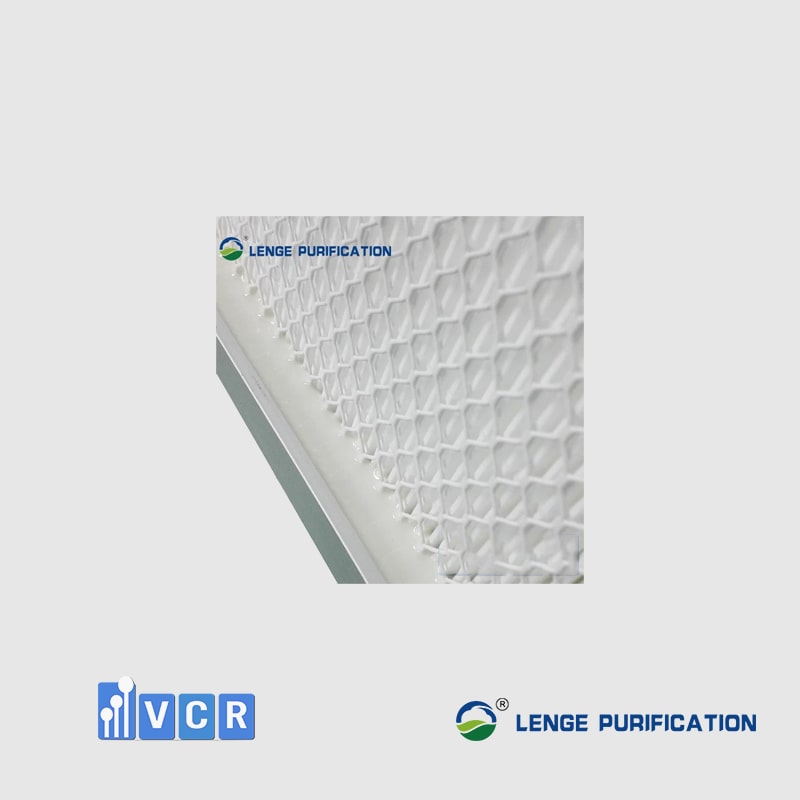
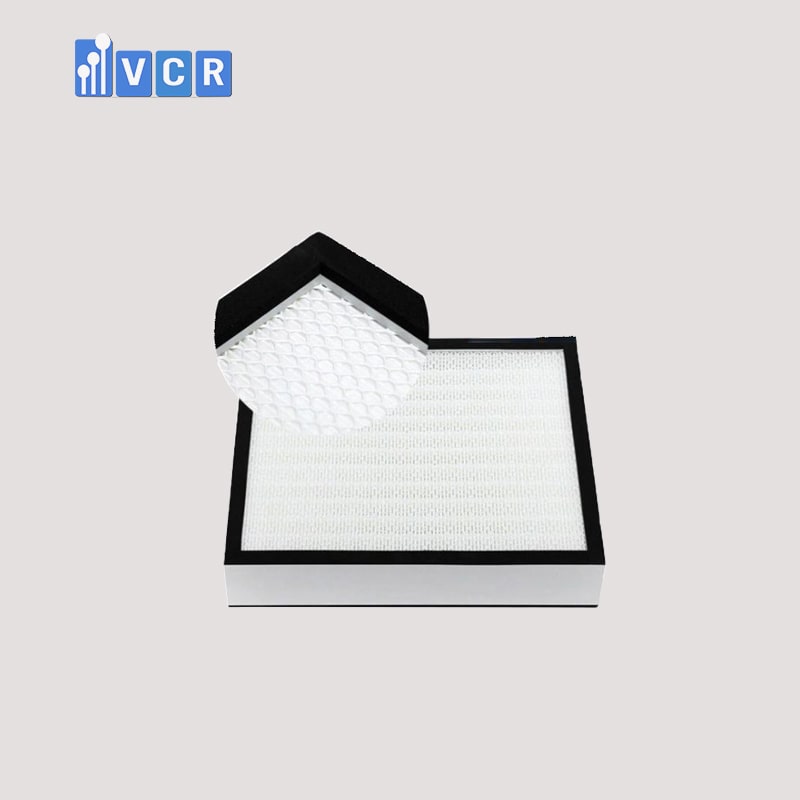
- Requirements for HEPA/ULPA Filters Installed in BIBO
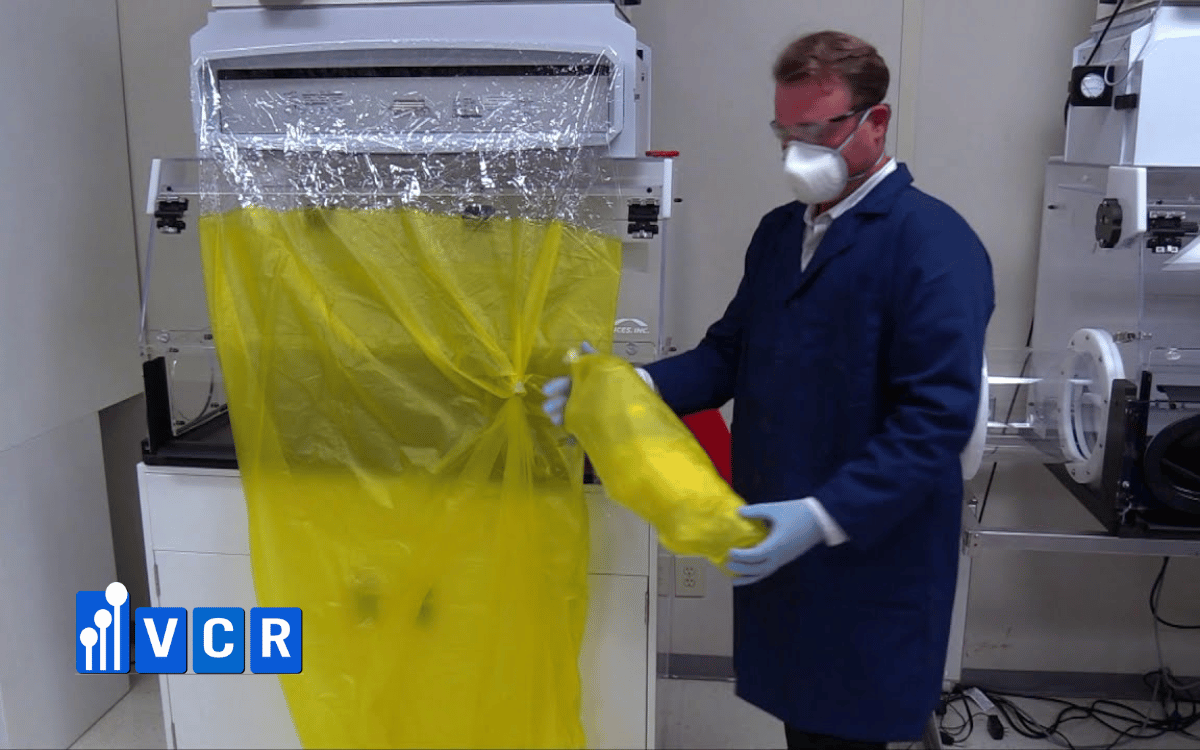
- Requirements for the BIBO Bag and Bag Clamping Mechanism
- Requirements for Service Door, Filter Lock, and Filter Compression Mechanism
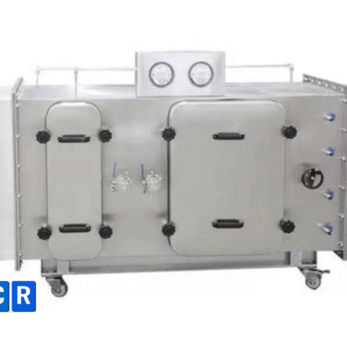
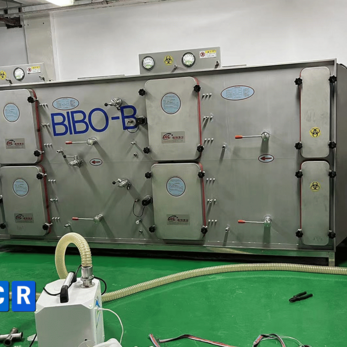
- Requirements for Differential Pressure, Gauges, and Monitoring Points
- Requirements for Test Ports, Leak Testing, and Qualification Capability
- Requirements for Maintenance Space and Simulated Filter Replacement
- Requirements for SOP, PPE, and Operator Training
- Requirements for Used-Filter Handling After Bag-Out
- Requirements for Documentation and Traceability in GMP
- Requirements for Periodic Maintenance and In-Operation Inspection
- Common Mistakes in Designing and Selecting GMP BIBO Systems
- Criteria for Selecting a Suitable BIBO System for GMP Cleanroom Projects
- FAQ – Frequently Asked Questions About BIBO Technical Requirements in GMP Cleanrooms
- Conclusion: BIBO Technical Requirements Must Be Linked to Contaminated Filter Risk and Safe Replacement Capability
A BIBO – Bag In Bag Out system in a GMP cleanroom is not simply a HEPA filter housing with a replacement bag. In essence, BIBO is a technical solution that supports contaminated filter replacement under better-controlled conditions, especially in areas where filters after operation may contain pharmaceutical active ingredients, hazardous dust, microorganisms, chemicals, aerosols, or contaminants requiring containment. Containment means the ability to control contaminants within an acceptable boundary.
In a GMP environment, the technical requirements for BIBO cannot stop at selecting the correct HEPA or ULPA filter grade. A compliant BIBO system must be considered from multiple aspects at the same time: installation location, housing material, tightness, BIBO bag type, bag clamping mechanism, filter type, differential pressure, test ports, maintenance space, simulated filter replacement, SOP, PPE, used-filter disposal, and traceable documentation. If any of these elements is not suitable, the Bag In Bag Out principle may fail to achieve its risk-control objective.
Therefore, when selecting BIBO for GMP cleanrooms, contractors and investors should begin with the risk of the contaminated filter, not only with the equipment name. BIBO is most suitable in locations where the filter after operation may become a release source if removed directly, such as exhaust air paths, return air paths, AHUs, ductwork, or areas related to APIs, microorganisms, chemicals, and high-risk products.
Why Does a BIBO System in a GMP Cleanroom Need Specific Technical Requirements?
In GMP cleanrooms, every piece of equipment related to airflow, filtration, and contamination control must be selected, installed, and operated according to clear technical criteria. GMP stands for Good Manufacturing Practice. In this environment, the air filtration system is not only responsible for maintaining cleanliness class, but also directly related to cross-contamination control, product protection, operator protection, and traceability during inspections or audits.
BIBO requires specific technical requirements because this equipment does not only serve air filtration during normal operation. The most important value of BIBO appears during contaminated filter replacement. After a period of operation, HEPA filters, ULPA filters, or other filtration stages may accumulate dust, particles, microorganisms, active ingredients, chemicals, or high-risk contaminants. When the filter is removed from the system, these contaminants may be released if the operation is not controlled.
If BIBO is treated as a standard Filter Housing, many important requirements may be overlooked. For example, the housing may not be tight enough, the replacement bag may be unsuitable, the bag clamping mechanism may not be secure, service space may be insufficient, or the filter replacement SOP may be unclear. In that case, even if the equipment is called BIBO, the Bag In Bag Out process may still fail to achieve containment.
A BIBO system in a GMP cleanroom must meet both design and operational requirements. The equipment must match the airflow path, filter grade, airflow rate, pressure, and installation location. At the same time, it must support real operations: attaching the bag, opening the door, releasing the filter, pulling the filter into the bag, sealing the bag, and handling the used filter. If only operating parameters are considered without considering maintenance operations, the system may look correct on drawings but be difficult to use safely in practice.
Therefore, BIBO technical requirements must be built around the risk of the contaminated filter, contaminant type, GMP requirements, containment requirements, and operator serviceability. This is what distinguishes BIBO from standard filter housings.
What Is BIBO in a GMP Cleanroom System?
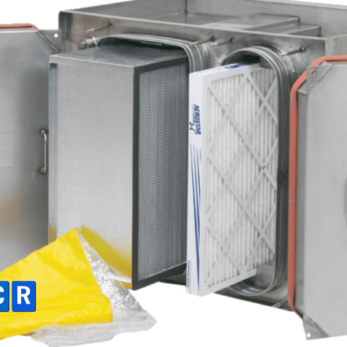
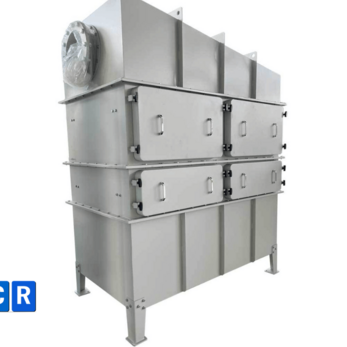
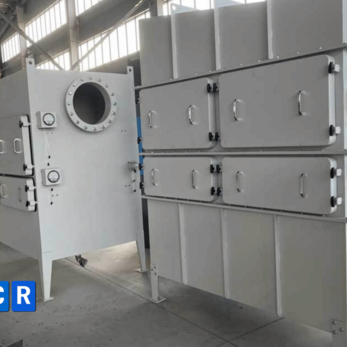
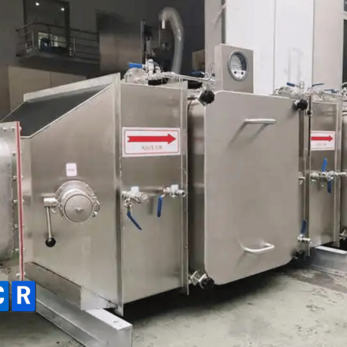
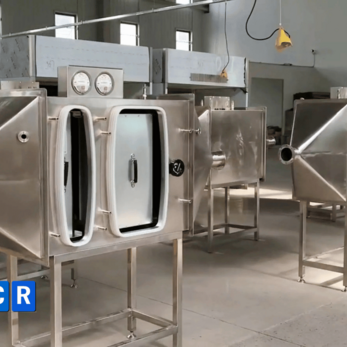
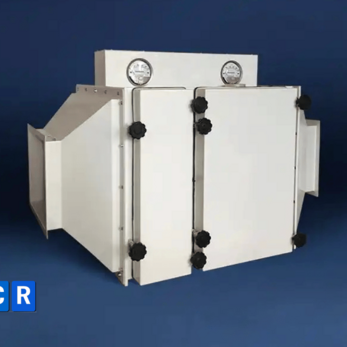
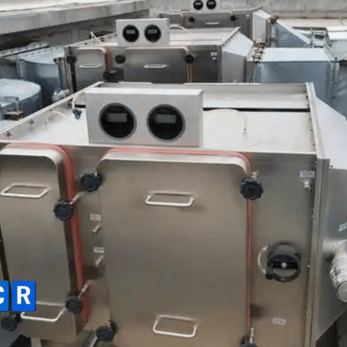
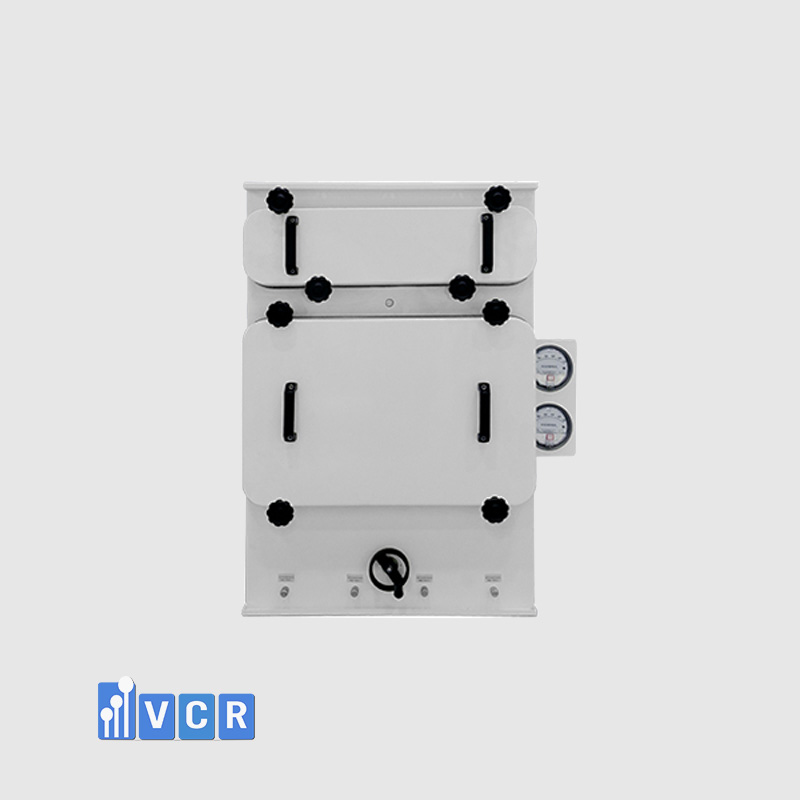
BIBO stands for Bag In Bag Out, meaning a safe bag-based filter replacement system. In GMP cleanrooms, BIBO is usually designed as BIBO Filter Housing, meaning a filter enclosure or box with a bag-based replacement mechanism. When a contaminated filter needs to be removed, the operator attaches a bag to the housing, removes the filter within the bag, pulls the filter into the bag, seals the bag, and only then removes the filter.
BIBO is not the HEPA filter itself. HEPA Filter stands for High Efficiency Particulate Air, meaning a high-efficiency air filter. A HEPA filter captures particles in the airflow. BIBO is the housing or filter-holding system that supports safer replacement of the contaminated filter after it has accumulated contaminants during operation.
Inside BIBO, HEPA filters, ULPA filters, pre-filters, carbon filters, or other filter stages may be installed depending on project requirements. ULPA Filter stands for Ultra Low Penetration Air, meaning an air filter with extremely low particle penetration. A pre-filter is a primary or coarse filter. A carbon filter is an activated carbon filter. Depending on airflow path and risk, the filter configuration inside BIBO may vary.
In GMP cleanrooms, BIBO is commonly considered in locations where filters after operation may contain hazardous contaminants. These may include exhaust air from active ingredient handling areas, return air from high-risk zones, filter sections inside AHUs serving API areas, or filtration systems in laboratory, biological, and chemical environments. API stands for Active Pharmaceutical Ingredient.
BIBO must be clearly distinguished from a standard HEPA Box. A HEPA Box is usually used at the final clean air supply point into a cleanroom. BIBO is not necessarily a final supply device; it is commonly used where filter replacement must be controlled. Therefore, when selecting BIBO for GMP applications, the question is not only what filter grade is required, but also: what will the filter contain after operation, and how can it be replaced safely?
Core Technical Principle of BIBO: Safer Filter Replacement, Not Cleaner Filtration
The core technical principle of BIBO is safer contaminated filter replacement, not higher filtration efficiency. This is a very important point because many people easily confuse BIBO with a premium filter type. In reality, if HEPA H13 is installed inside BIBO, the filter grade remains H13. If HEPA H14 is installed, the filter grade remains H14. BIBO does not turn H13 into H14 and does not make the filter media capture particles more effectively.
Filtration efficiency depends on filter grade, filter media, filter design, installation tightness, airflow rate, filter face velocity, and leak test results. BIBO is a housing that supports bag-based filter replacement. Its value appears when the contaminated filter is removed from the system.
After a filter has operated for a long time, it may accumulate active ingredient dust, microorganisms, chemicals, or hazardous particles. If the housing is opened and the filter is pulled out directly, contaminants on the filter may fall, become airborne, or settle on gloves, garments, tools, and maintenance-area surfaces. In GMP cleanrooms, this is a risk that must be controlled.
BIBO addresses this risk through the Bag In Bag Out principle. The contaminated filter is placed into a bag before being separated from the housing. The bag is sealed before transport or further handling. As a result, the possibility of contaminant release during filter replacement is reduced compared with direct filter removal.
Therefore, BIBO technical specifications should not only state “HEPA H14 installed” or “with replacement bag.” They should clearly describe safe bag-based replacement capability, bag requirements, bag clamping mechanism, service space, housing tightness, test ports, SOP, and used-filter disposal. A true BIBO system must support safe contaminated filter replacement under real operating conditions.
Requirements for Risk Assessment Before Selecting BIBO
Before selecting BIBO for a GMP cleanroom, the first requirement is to perform risk assessment. This is the foundational step to determine whether BIBO is needed, where it should be used, and what technical configuration is required. Not every GMP cleanroom needs BIBO, and not every HEPA filter needs to be installed in BIBO housing.
Risk assessment should begin with the airflow passing through the filter. Is the filter installed on supply air, return air, or exhaust air? Could the air passing through the filter contain hazardous contaminants? After operation, could the filter accumulate active ingredients, chemical dust, microorganisms, aerosols, or high-risk materials? If the answer is yes, BIBO should be considered more seriously.
Another important factor is the filter replacement operator. When the contaminated filter is removed, could the operator be exposed? Exposure may occur through inhalation, skin contact, eyes, gloves, or protective clothing. If the filter contains potent active ingredients, microorganisms, or hazardous chemicals, direct filter replacement may not be suitable.
The status of the used filter must also be assessed. If the filter after operation is classified as hazardous waste, biological waste, or waste containing active ingredients, filter removal must be controlled from the first step. BIBO helps place the contaminated filter into a sealed bag before it leaves the system, but a suitable used-filter disposal process is still required afterward.
In pharmaceutical factories, BIBO is often considered in API areas, potent compound areas, cytotoxic drug production areas, exhaust air paths, or return air paths from high-risk zones. In biological laboratories, BIBO may be required in exhaust systems with filters capturing microorganisms or aerosols. In chemical applications, BIBO is suitable when filters may contain chemical dust or hazardous particles.
Therefore, BIBO technical requirements must start from risk assessment. If risk assessment shows that the contaminated filter may release hazardous contaminants during replacement, BIBO is a solution worth considering. If the risk is low, standard housing may be more suitable.
Requirements for Installation Location in HVAC, AHU, and Ductwork
Installation location is one of the most important technical requirements for a BIBO system. HVAC stands for Heating, Ventilation and Air Conditioning. AHU stands for Air Handling Unit. Ductwork means the air duct system. BIBO may be installed inside AHUs, on ductwork, on exhaust air paths, return air paths, or in filter sections serving high-risk areas.
In GMP cleanrooms, BIBO is more commonly considered on exhaust air and return air. Exhaust air is air extracted from an operation area. Return air is air sent back to the air handling system. If these airflows pass through API areas, biological areas, chemical areas, or high-risk dust zones, the filters may accumulate contaminants after operation.
The BIBO installation location must be accessible. Operators must have enough space to stand, attach the bag, open the door, pull the filter into the bag, seal the bag, and remove the bag containing the contaminated filter. If BIBO is installed too high, too close to a wall, between many ducts, or blocked by other equipment, the Bag In Bag Out operation may be difficult to perform correctly.
Door-opening direction must also be considered. The service door must open toward a convenient side and must not be blocked by ductwork, supports, walls, or auxiliary equipment. The bag attachment opening must be located where operators can work safely. The movement route of the contaminated filter bag after bag-out must also be planned, especially when the used filter is hazardous waste.
In addition, the installation location must support inspection and qualification. If HEPA leak testing, scan testing, or DOP/PAO testing is required, test ports and access points must be conveniently arranged. If the differential pressure gauge is hard to observe or test ports are blocked, operation and qualification will become difficult.
Therefore, BIBO should not be placed only wherever space remains on a drawing. It must be installed where the airflow function is correct and where maintenance, qualification, and used-filter handling are practical. This is an important requirement for BIBO to deliver its intended value in GMP cleanrooms.
Requirements for Housing Material and Surface Finish
Housing material and surface finish directly affect durability, cleanability, corrosion resistance, and suitability for GMP environments. In cleanrooms, housing surfaces must be cleanable, limit dust accumulation, and avoid crevices that are difficult to clean. If the surface is rough, has sharp edges, or contains dead corners, cleaning and contamination control become more difficult.
Common BIBO housing materials may include powder-coated steel, stainless steel, or other materials suitable for project requirements. Stainless steel is often preferred in environments requiring high cleanability, good corrosion resistance, or frequent cleaning. However, material selection should not be based only on the idea that “stainless steel is always best,” but on the operating environment, contaminant type, cleaning requirements, and project budget.
If BIBO is used in areas involving chemicals, corrosive vapors, or reactive dust, material compatibility must be considered. The housing, gasket, bag, clamping mechanism, and related accessories must withstand actual operating conditions. If the material is unsuitable, the equipment may corrode, deform, or lose tightness over time.
Surface finish must also be controlled. Welds, corners, door edges, gasket installation points, and duct connections should be finished to limit abnormal gaps. Surfaces facing the clean area or maintenance area should be easy to clean. Sharp edges may tear the BIBO bag during operation, so they must be treated appropriately.
Technical requirements should clearly describe housing material, suitable thickness, surface finish type, corrosion resistance requirements, cleaning requirements, and mechanical finishing criteria. In GMP environments, materials must not only be durable but also support clean operation, convenient maintenance, and reduced risk during filter replacement.
Requirements for BIBO Filter Housing Tightness
Tightness is a core technical requirement of BIBO Filter Housing. The housing must limit leakage at the housing body, service door, filter seating position, gasket, ductwork connections, and bag attachment opening. A gasket is a sealing component. If any of these locations is not tight, BIBO performance and containment capability may be affected.
During normal operation, tightness ensures that air passes through the filter instead of around gaps. Bypass means air flows around the filter instead of through it. If bypass occurs, actual filtration performance may decrease even if the installed filter is HEPA or ULPA grade. This is why filter seating, compression mechanism, and gasket condition must be carefully checked.
During filter replacement, tightness is also important. If the service door, bag attachment opening, or bag clamping mechanism is not tight, contaminants may escape while the filter is being pulled into the bag. In areas with active ingredient dust, microorganisms, or chemicals, leakage during replacement may create exposure and secondary contamination risks.
Tightness requirements should be defined according to system design, risk level, and project qualification criteria. In high-risk areas, housing tightness requirements usually need to be stricter. During qualification, visual inspection, filter installation inspection, gasket inspection, door inspection, and relevant tests may be required depending on the project.
The filter compression mechanism must ensure that the filter contacts the gasket evenly. If compression is uneven, gaps may appear in certain areas. The service door must close securely and consistently. Ductwork connections must be firmly installed, free from deformation, and without abnormal leakage. The bag attachment opening must be secure enough so that the bag does not slip or leak during handling.
Tightness is not only a technical requirement on paper; it is a condition for BIBO to perform its role. A housing with a bag but poor sealing at critical points cannot effectively support containment. Therefore, tightness should be checked both during normal operation and during filter replacement operations.
Requirements for HEPA/ULPA Filters Installed in BIBO
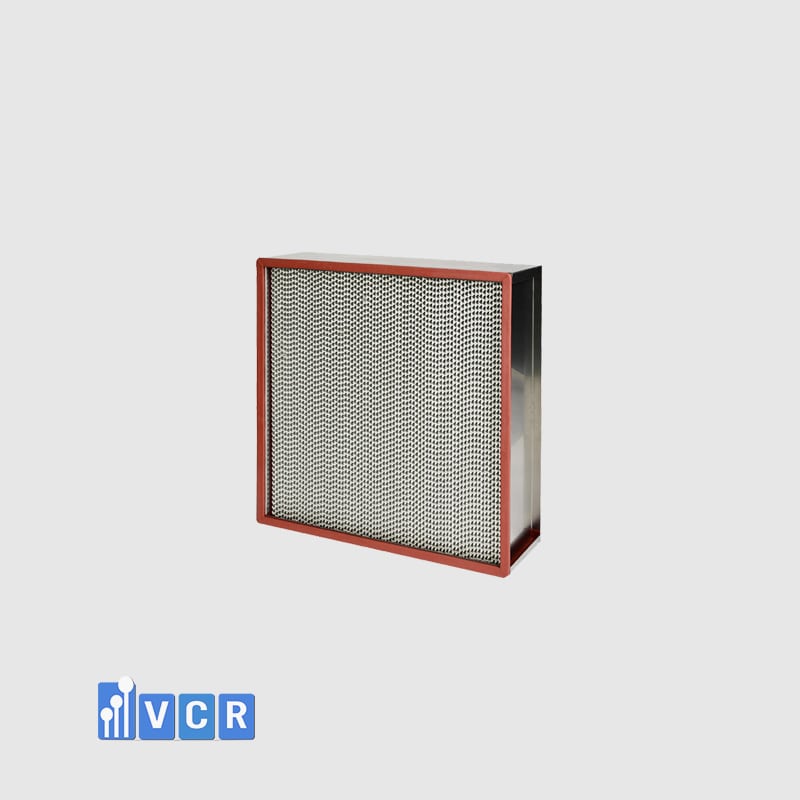
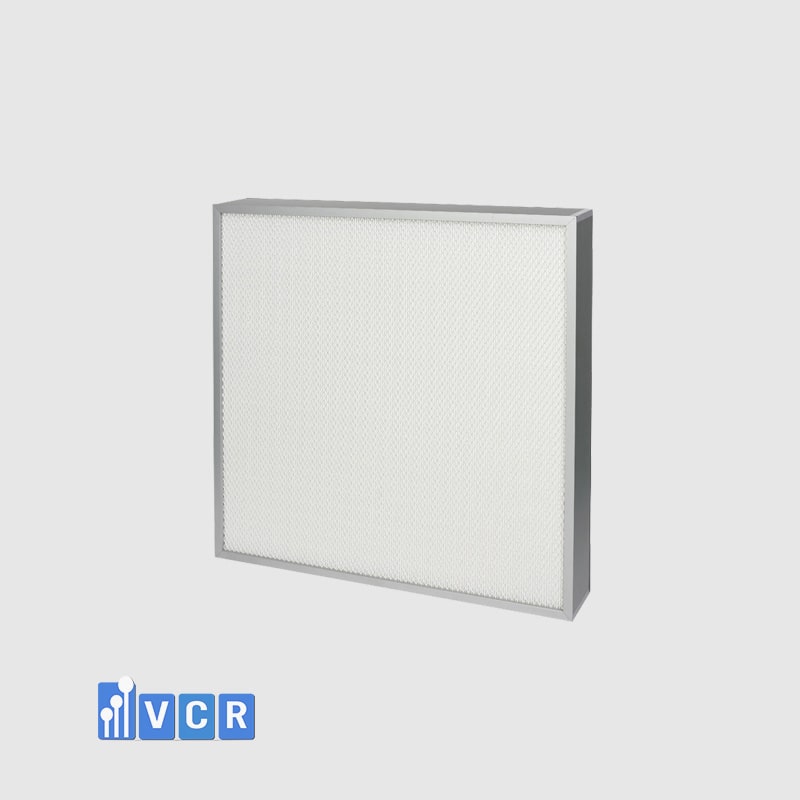
Filters installed in BIBO must match the particle-control requirements, airflow path, and GMP criteria of the project. BIBO does not replace the need to select the correct filter grade. If the system requires HEPA H14, HEPA H14 must be selected. If ULPA is required, the correct ULPA filter must be selected. BIBO is only the housing that supports safer filter replacement; it does not increase the filter grade inside.
When selecting the filter, filter grade, dimensions, design airflow, initial resistance, final resistance, frame material, gasket type, airflow direction, and compatibility with the housing compression mechanism must be defined. If the filter does not match the filter frame or compression mechanism, misalignment, leakage, or difficulty during bag-out may occur.
Filter certificates are also important in GMP environments. HEPA or ULPA filters should have clear information on filter grade, technical specifications, factory test results if available, filter code, and traceability. During filter replacement, the old and new filter codes should be recorded in operating documentation.
Leak-testing capability after installation should also be considered. HEPA leak testing checks for leakage in the HEPA filter. Scan testing is filter leak scanning. If the project requires testing after installation or filter replacement, the housing must support this operation through test ports, access points, and suitable design.
The filter inside BIBO may become a high-risk item after operation. Therefore, removal must be considered, not only installation. A filter that is too heavy, difficult to pull, or incompatible with the bag size may make replacement difficult. When selecting the filter, its actual dimensions, weight, and how the operator will pull it into the bag must be considered.
In summary, the technical requirements for filters inside BIBO include correct filter grade, correct dimensions, suitable airflow, suitable gasket, housing compatibility, proper certificates, and support for post-installation testing. If the wrong filter is selected, the entire BIBO system may fail to meet operating and qualification requirements.
Requirements for the BIBO Bag and Bag Clamping Mechanism
The BIBO bag is the central component of the Bag In Bag Out principle. Without a bag or with an unsuitable bag, BIBO loses much of its release-control value. The bag encloses the contaminated filter before it leaves the housing, helping reduce the chance that dust, microorganisms, active ingredients, or chemicals are released into the maintenance area.
The first requirement for a BIBO bag is correct sizing. The bag must be large enough to contain the contaminated filter and allow the operator to pull the filter inside. If the bag is too small, the filter may be difficult to move into the bag, increasing the risk of tearing the bag or disturbing dust on the filter. If the bag is too large but not fixed properly, handling may become loose and difficult to control.
The second requirement is strength. The bag must withstand the filter weight, pulling force, friction, and sealing process. For large filters or filters with heavy frames, the bag must be strong enough not to tear during operation. If the bag tears after the filter is contaminated, release risk increases significantly.
The third requirement is compatibility with the contaminant and used-filter disposal process. If the filter may contain active ingredients, microorganisms, or chemicals, the bag must suit the packaging, transport, and post-bag-out handling procedure. In some cases, additional outer packaging, warning labels, or special sealing methods may be required.
The bag clamping mechanism is just as important as the bag itself. The bag attachment opening, clamping ring, and bag-holding mechanism must be secure, easy to operate, and capable of limiting gaps. When the operator opens the door and pulls the filter into the bag, the bag must not slip off the housing. If the clamping mechanism is unstable, the Bag In Bag Out principle is compromised.
The bag sealing method must be clearly defined in the SOP. Depending on project requirements, the bag may be tied, clamped, heat-sealed, or sealed using an approved method. The key point is that once the contaminated filter is inside the bag, the bag must be sealed before being separated from the housing and sent for disposal.
Therefore, the technical requirement for the BIBO bag should not simply state “with replacement bag.” It should define size, strength, clamping method, sealing method, compatibility with the filter, and used-filter disposal procedure. This is a key condition for BIBO to truly support containment.
Requirements for Service Door, Filter Lock, and Filter Compression Mechanism
The BIBO service door must open and close smoothly, seal properly, and be convenient to operate through the bag. During filter replacement, operators do not work directly as they would with standard housing; they work within the BIBO bag. Therefore, the door must be designed so it can be opened when the bag is attached to the housing without obstruction, bag tearing, or difficult handling.
The filter lock and compression mechanism hold the filter in the correct position during normal operation. The filter must be compressed against the gasket to prevent bypass. However, during filter replacement, this mechanism must also allow the operator to release the filter within the bag conveniently. If the filter lock is too stiff, difficult to open, or requires complex tools, the bag-out operation may become risky.
The filter compression mechanism must provide even compression. If compression is uneven, the filter may not seal properly at some locations. If compression is too tight or removal is not practical, the operator may need excessive force to pull the filter, causing vibration or bag tearing. This issue must be considered from the design and qualification stages.
Filter weight is also important. If the filter is large and heavy, pulling it into the bag will be more difficult. Additional space, suitable working posture, or supporting tools may be required according to the SOP. If this is not considered in advance, operators may struggle during real replacement, especially when the filter is already contaminated and must be handled carefully.
The service door, filter lock, and compression mechanism should be checked not only when the equipment is new, but also during simulated filter replacement. A device that seals well when closed but is difficult to operate with the bag attached may not fully meet BIBO requirements. Therefore, qualification should include practical or simulated operation checks to confirm that the mechanism works properly.
Requirements for Differential Pressure, Gauges, and Monitoring Points
Differential pressure is an important operating parameter in BIBO systems. Differential pressure means the pressure difference between the two sides of the filter. As the filter accumulates dust and particle load increases, differential pressure usually rises. Monitoring differential pressure helps evaluate filter condition, detect abnormalities, and support filter replacement timing decisions.
In GMP cleanroom BIBO systems, the differential pressure gauge or sensor must have a measurement range suitable for the filter type and operating condition. If the range is too low or too high for actual operation, the reading may be difficult to interpret or may not reflect filter condition accurately. The gauge must also be installed where it is easy to observe, easy to maintain, and not blocked by ducts or other equipment.
Pressure tapping points must be placed correctly upstream and downstream of the filter according to design. If tapping points are incorrect, differential pressure readings may be inaccurate. Pressure tubing should be stable, not folded, not blocked, and suitable for operating conditions. In some projects, differential pressure signals may need to be connected to a central monitoring system.
In GMP environments, differential pressure data may need to be recorded periodically according to the SOP. The SOP should define inspection frequency, alert limits, replacement limits, and actions when abnormal differential pressure is detected. If differential pressure rises unusually quickly, there may be issues with dust loading, airflow, or filter condition. If differential pressure is abnormally low, leakage, bypass, or incorrect filter installation should be checked.
Differential pressure is not the only criterion for evaluating BIBO, but it is a very important operating parameter. It helps the operation team monitor the filter throughout its service life, plan replacement, and avoid unexpected replacement situations. Since BIBO filter replacement often involves higher risk and more complex procedures than standard housing, differential pressure monitoring must be taken seriously.
Requirements for Test Ports, Leak Testing, and Qualification Capability
Test ports and post-installation testing capability are important technical requirements for BIBO systems in GMP cleanrooms. If the project requires HEPA leak testing or filter installation verification, BIBO must be designed to support these tests. Housing should not be selected only by size while ignoring test-port accessibility and qualification operation.
HEPA leak testing checks for leakage in the HEPA filter. Scan testing is filter leak scanning. DOP/PAO testing uses test aerosol. Depending on project requirements, these tests may be performed after initial installation, after filter replacement, or as part of periodic qualification. If BIBO lacks suitable test ports or the ports are difficult to access, testing will be difficult.
Test ports must be located correctly, easy to access, and compatible with the intended test method. Sampling points or aerosol injection points should be convenient for testing personnel. If BIBO is installed on ductwork or inside an AHU, surrounding clearance must be considered for measurement instruments and probes.
BIBO qualification is not only about whether the filter passes. Because the value of BIBO lies in the Bag In Bag Out principle, qualification must also verify the ability to replace filters safely using the bag. The qualification should confirm that the bag can be attached correctly, the door can open within the bag, the filter can be pulled into the bag, the bag can be sealed, and the contaminated filter bag can be removed from the work area.
In addition, housing tightness, gasket condition, airflow direction, differential pressure, test ports, gauges, and maintenance access should be checked. Test results must be recorded in qualification documents. In GMP projects, these records are important because they prove that the equipment is not only installed correctly but can also be operated and maintained under controlled procedures.
Requirements for Maintenance Space and Simulated Filter Replacement
BIBO requires more maintenance space than standard housing. This is because BIBO filter replacement includes multiple steps: attaching the bag, opening the door within the bag, releasing the filter, pulling the filter into the bag, sealing the bag, separating the contaminated filter bag, and sending the used filter for disposal. If space is insufficient, operators may not be able to perform the procedure correctly.
The space in front of the service door must be sufficient for the bag length, filter size, and operator working posture. If the filter is large, the bag must also be long enough to contain the filter and allow sealing. If the clearance is too short, the bag may fold, stretch, or tear during filter removal. This increases the risk of contaminant release.
The surrounding space must also account for the movement route of the contaminated filter bag after bag-out. If the used filter is hazardous waste, the movement route must match internal procedures. Operators should not be forced to carry the contaminated filter bag through unsuitable areas or without a temporary holding plan.
Simulated filter replacement should be performed during qualification or before official operation. The purpose is to confirm that the equipment can operate according to the Bag In Bag Out principle under real conditions. Operators or the qualification team should try the steps: attach the bag, open the door, operate the filter lock, pull a simulated filter into the bag, seal the bag, and remove the bag.
If simulated replacement is already difficult, real replacement with a contaminated filter will carry much higher risk. In that case, equipment position, clearance, door-opening direction, or layout should be adjusted. This is why BIBO should be considered from the design stage, not added only after the HVAC system has been completed.
Maintenance space is a technical requirement that is often underestimated but directly affects operating safety. A BIBO system with good specifications but impossible to service correctly in practice is still not a suitable system.
Requirements for SOP, PPE, and Operator Training
In GMP cleanrooms, BIBO must be accompanied by a clear SOP. SOP stands for Standard Operating Procedure. The BIBO filter replacement SOP should fully describe preparation, equipment inspection, system shutdown if required, bag attachment, door opening, filter release, filter pulling into the bag, bag sealing, bag separation, used-filter disposal, new filter installation, post-replacement inspection, and documentation.
PPE stands for Personal Protective Equipment. BIBO does not replace PPE. If the contaminated filter may contain active ingredients, microorganisms, chemicals, or hazardous dust, operators still need gloves, masks, goggles, protective clothing, or respiratory protection suitable for the risk assessment. BIBO is an engineering control layer, while PPE is a personal protection layer.
Operator training is mandatory for BIBO to be effective. Operators must understand the Bag In Bag Out principle, know how to inspect the bag, attach the bag, open the door, release the filter lock, pull the filter into the bag, and seal the bag. They must also know how to respond to abnormal situations such as a torn bag, loose clamp, stuck filter, abnormal differential pressure, or suspected contaminant release.
In GMP environments, operations must be repeatable, controlled, and traceable. This means the SOP should not exist only as a document; it must be practical enough for operators to follow. If the SOP is too general or does not match the actual equipment, operational risk remains.
The SOP should also clearly define responsibilities: operator, supervisor, QA, maintenance team, and waste handling unit if applicable. In high-risk areas, approval before filter replacement, supervision during operation, and confirmation after completion may be required.
Therefore, BIBO technical requirements cannot be separated from SOP, PPE, and training. A good device can still be unsafe in practice if operators are not trained or if the SOP is unclear.
Requirements for Used-Filter Handling After Bag-Out
After the contaminated filter is placed into the bag and bagged out, the risk has not ended. The bag containing the contaminated filter may still contain active ingredients, microorganisms, chemicals, or hazardous contaminants. Therefore, used-filter handling after bag-out is an important part of BIBO technical and operating requirements in GMP cleanrooms.
If the filter contains pharmaceutical active ingredient dust, the used filter bag may need to be labeled, additionally packaged, transported along a defined route, and handled as waste containing active ingredients. If the filter contains microorganisms, it may need to be handled according to biological waste procedures. If the filter contains chemicals or hazardous dust, chemical safety and environmental requirements must be followed.
The BIBO bag should not be considered the final disposal solution. The bag only encloses the filter during removal from the housing. After that, transport, temporary storage, handover, and final disposal procedures are still required. If these later steps are not controlled, risk may appear during movement or storage.
The SOP must define how the used filter bag is labeled, what information must be written on the label, where it is temporarily held, who is responsible for transport, and how it is disposed of. If double packaging or specialized containers are required, this requirement must be specified before filter replacement.
In GMP, used-filter disposal records should also be maintained. Records may include filter code, replacement date, operator, installation area, related contaminant type if applicable, packaging method, receiving unit, and disposal confirmation. This supports traceability during internal inspection or audits.
Therefore, BIBO technical requirements do not stop at “the filter is removed in a bag.” A complete BIBO system must include a post-bag-out used-filter handling plan. Without this plan, filter replacement is only controlled at the first step, while later risks may still remain.
Requirements for Documentation and Traceability in GMP
In GMP, equipment must not only be installed correctly but also demonstrate that it is controlled. Documentation means records and technical documents. Traceability means the ability to trace information. For BIBO systems, technical and operating documentation is very important because the equipment is directly related to contamination control, maintenance safety, and high-risk filter replacement.
Technical documentation should include equipment drawings, installation drawings, technical specifications, housing material, dimensions, airflow direction, filter type, filter grade, airflow rate, pressure, differential pressure, test ports, BIBO bag type, and filter replacement instructions. If there are special requirements for material, corrosion resistance, or surface cleanability, these should also be clearly documented.
Filter documentation should include filter certificates, filter code, filter grade, resistance data, installation date, replacement date, and test results if available. During replacement, the old and new filter codes must be recorded to ensure traceability. If an abnormality occurs, these records help identify which filter was installed in which location and during what period.
Qualification documentation should include visual inspection records, tightness checks, airflow direction checks, differential pressure checks, HEPA leak test or scan test results if applicable, simulated filter replacement records, and any deviations. For BIBO, simulated replacement documentation is useful because it proves that the equipment can operate according to the Bag In Bag Out principle.
Operating records should include periodic differential pressure readings, housing condition, spare bag condition, filter replacement time, operator, PPE used, bag sealing method, used-filter disposal method, and completion confirmation. Training records must also be retained to prove that operators have been instructed in the correct procedure.
These documents do not only serve audits; they also support long-term stable operation. When incidents occur or the system needs reassessment, complete documentation helps technical and QA teams understand the operating history of the BIBO system. This is an important requirement in GMP cleanroom projects.
Requirements for Periodic Maintenance and In-Operation Inspection
BIBO is directly related to maintenance safety, so it should be inspected periodically, not only when filters are replaced. Periodic maintenance helps detect damage, deformation, gasket aging, bag clamp faults, or abnormal differential pressure before they create risk during filter replacement.
The first inspection item is differential pressure. Differential pressure across the filter should be monitored according to the SOP frequency. If differential pressure reaches the alert or replacement limit, filter replacement should be planned. If differential pressure changes abnormally, possible causes such as filter blockage, leakage, bypass, or gauge failure should be checked.
The housing should be visually inspected periodically. Deformation, corrosion, leakage, loose connections, or surface damage should be checked. The service door should open and close smoothly. The gasket should be checked for elasticity, cracking, deformation, or contamination. If the gasket deteriorates, tightness may be affected.
The bag clamping mechanism and bag attachment opening should be inspected to ensure that the bag can be securely attached during replacement. If the clamp is worn, bent, stuck, or difficult to operate, it should be corrected before real filter replacement. Spare bags should be stored under suitable conditions to avoid tearing, puncture, or damage before use.
The filter lock and compression mechanism should also be checked. If the mechanism is stuck or does not compress evenly, the filter may not seal properly or may be difficult to remove during bag-out. Differential pressure gauges, sensors, pressure tubing, and test ports should be checked to ensure correct operation.
The periodic maintenance schedule should be established based on risk level, operating frequency, use environment, and GMP requirements of the facility. When abnormalities are found, clear handling criteria should be available: continued monitoring, repair, accessory replacement, or stopping use for reassessment. BIBO can only operate safely if it is maintained as risk-control equipment, not merely as a standard filter box.
Common Mistakes in Designing and Selecting GMP BIBO Systems
The first mistake is selecting BIBO only because it seems like advanced equipment. BIBO is not necessary for every filtration location in a GMP cleanroom. If the filter only contains low-risk environmental dust, standard housing may be more suitable. BIBO should be selected based on the risk of the contaminated filter, not because it seems more modern.
The second mistake is not assessing the risk of the filter after operation. Many projects only consider HEPA filter grade but do not assess what the filter will accumulate after use. This is a major gap because filter replacement risk lies in the contaminated filter, not the new filter.
The third mistake is focusing only on filter grade and ignoring filter replacement. A system with HEPA H14 can still create risk if the contaminated filter is removed directly in a high-risk area. BIBO must be evaluated by its safe bag-based replacement capability, not only by filter grade.
The fourth mistake is selecting the wrong bag size or not checking the bag clamping mechanism. An incorrectly sized, too-thin, or easily torn bag can compromise the entire containment objective. An insecure bag clamp may also allow the bag to slip during filter removal.
The fifth mistake is not allowing enough service space. BIBO needs clearance for bag attachment, filter removal, and bag sealing. If the equipment is installed too close to a wall or blocked by ductwork, the Bag In Bag Out operation will be difficult to perform correctly.
The sixth mistake is having no test ports or placing test ports where they are difficult to access. This makes qualification, leak testing, and post-replacement evaluation difficult.
The seventh mistake is not training operators and not having an SOP for used-filter handling. BIBO is not automatically safe if operators do not know the correct procedure or if the contaminated filter bag is not handled properly after bag-out.
The final mistake is not simulating filter replacement. This is an important step to detect problems before real operation. The biggest mistake is treating BIBO as a standard HEPA filter box, while the main value of BIBO lies in safe filter replacement and release control during maintenance.
Criteria for Selecting a Suitable BIBO System for GMP Cleanroom Projects
The first criterion for selecting a suitable BIBO system is installation location. It is necessary to determine whether BIBO will be installed on an exhaust air path, return air path, supply air path, inside an AHU, or on ductwork. This location determines equipment configuration, door-opening direction, service space, and qualification requirements.
The second criterion is airflow type and used-filter risk. If the airflow may carry active ingredients, microorganisms, chemicals, or hazardous particles, the filter after operation should be considered a risk source. In that case, BIBO should be selected with an appropriate configuration to support containment.
The third criterion is filter grade and operating parameters. HEPA or ULPA, specific filter grade, airflow rate, resistance, system pressure, and leak-testing capability must be defined. BIBO must be compatible with the selected filter and must not create unsuitable pressure loss.
The fourth criterion is housing material and tightness. The material must suit the GMP environment, cleaning requirements, and contaminant type. The housing, door, gasket, ductwork connections, and filter seating position must provide tightness according to project requirements.
The fifth criterion is the BIBO bag and bag clamping mechanism. The bag must be correctly sized, strong enough, and suitable for the used-filter disposal procedure. The clamping mechanism must be secure, easy to operate, and support safe bag sealing.
The sixth criterion is test ports and qualification capability. If the project requires HEPA leak testing, scan testing, or DOP/PAO testing, the equipment must have suitable test ports and access space. Qualification should include simulated filter replacement.
The seventh criterion is SOP, PPE, used-filter disposal, and GMP documentation. If the facility does not yet have a BIBO replacement procedure, it must be developed before the equipment is put into use. Equipment documentation, filter records, differential pressure records, filter replacement records, and waste handling records must be clearly managed.
As a cleanroom equipment supplier for cleanroom contractors, VCR Cleanroom Equipment can support consultation on selecting suitable BIBO systems for exhaust air, return air, AHUs, ductwork, or high-risk GMP areas based on actual layout, contaminated filter risk, and project qualification requirements.
FAQ – Frequently Asked Questions About BIBO Technical Requirements in GMP Cleanrooms
Question: What technical requirements does a BIBO system in a GMP cleanroom need?
A BIBO system must meet requirements for installation location, housing material, tightness, HEPA/ULPA filter, BIBO bag, bag clamping mechanism, service door, differential pressure, test ports, maintenance space, SOP, PPE, used-filter disposal, and GMP documentation.
Question: Is BIBO mandatory in every GMP cleanroom?
No. BIBO is not mandatory for every GMP cleanroom. It should only be used in locations where filters after operation may contain hazardous contaminants and require safe bag-based replacement.
Question: Does BIBO increase HEPA filtration efficiency?
No. BIBO does not increase HEPA filtration efficiency. Filtration efficiency depends on the HEPA or ULPA filter installed inside. BIBO only makes contaminated filter replacement safer.
Question: What is the most important requirement of BIBO?
The most important requirement is to support safe bag-based replacement of contaminated filters under conditions that limit release. To achieve this, the housing must be tight, the bag must be suitable, the clamping mechanism must be secure, and operators must follow the SOP.
Question: What requirements should the BIBO bag meet?
The BIBO bag must be correctly sized, strong enough, compatible with the filter, housing, contaminant, and used-filter disposal procedure. It must also be sealable before the contaminated filter leaves the system.
Question: Does BIBO need HEPA leak testing?
If the GMP project requires HEPA leak testing after installation or filter replacement, BIBO must support HEPA leak testing. The equipment must have suitable test ports and accessibility for the test.
Question: Does BIBO require simulated filter replacement?
Yes. Simulated filter replacement is strongly recommended during qualification to confirm there is enough space to attach the bag, pull the filter, seal the bag, and remove the contaminated filter bag.
Question: What maintenance space does BIBO need?
BIBO requires enough space in front of the service door to attach the bag, open the door, pull the filter into the bag, seal the bag, and move the used-filter bag. This space must be planned from the layout design stage.
Question: What should a BIBO filter replacement SOP include?
The SOP should define preparation, PPE, system shutdown conditions if required, bag attachment, filter removal, filter pulling into the bag, bag sealing, used-filter disposal, new filter installation, post-replacement inspection, and documentation.
Question: How should used filters be handled after bag-out?
Used filters after bag-out should be labeled, transported, temporarily stored, and disposed of according to contaminant type. If they contain active ingredients, microorganisms, or chemicals, suitable waste handling procedures must be followed.
Question: What should contractors consider when advising on GMP BIBO systems?
Contractors should evaluate used-filter risk, installation location, airflow path, filter grade, housing material, tightness, BIBO bag, maintenance space, test ports, SOP, used-filter disposal, and GMP qualification criteria before recommending a configuration.
Conclusion: BIBO Technical Requirements Must Be Linked to Contaminated Filter Risk and Safe Replacement Capability
A BIBO system in a GMP cleanroom should be evaluated not only by HEPA or ULPA filter grade, but also by its ability to control release during filter replacement. Key technical requirements include suitable installation location, housing material, tightness, filter type, BIBO bag, bag clamping mechanism, service door, filter lock, differential pressure, test ports, maintenance space, SOP, PPE, used-filter disposal, and GMP documentation.
BIBO is not mandatory for every filtration location in a cleanroom. However, in locations where contaminated filters may contain active ingredients, microorganisms, chemicals, toxic dust, or contaminants requiring containment, BIBO is a solution worth considering. Proper BIBO selection makes filter replacement safer, reduces release, protects operators, and supports more stable GMP system operation.
In other words, BIBO technical requirements are not limited to the equipment itself. They cover the entire system: design, installation, qualification, operation, maintenance, and used-filter disposal.
Hai VCR