- Why Is the HEPA Filter the Most Important Component in a Dispensing Booth?
- What Is a HEPA Filter in a Dispensing Booth?
- Functions of the HEPA Filter in a Dispensing Booth
- How Does the HEPA Filter Affect Dust-Control Efficiency in a Dispensing Booth?
- What Factors Affect the Service Life of a HEPA Filter in a Dispensing Booth?
- Signs That the HEPA Filter in a Dispensing Booth Needs Inspection or Replacement
- Inspection Methods for HEPA Filters in Dispensing Booths
- When Should HEPA Filter Inspection Be Performed?
- Common Mistakes That Reduce HEPA Filter Performance in Dispensing Booths
- How to Extend the Service Life of a HEPA Filter in a Dispensing Booth
- What Should Be Considered When Selecting a HEPA Filter for a Dispensing Booth?
- FAQ – Frequently Asked Questions About HEPA Filters in Dispensing Booths
- HEPA Filter Determines the Stability of a Dispensing Booth in Dust Control
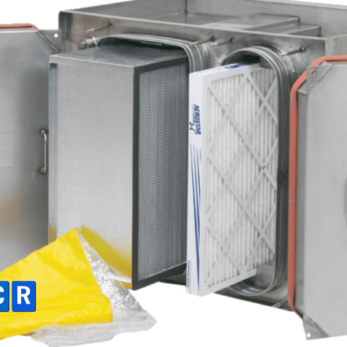
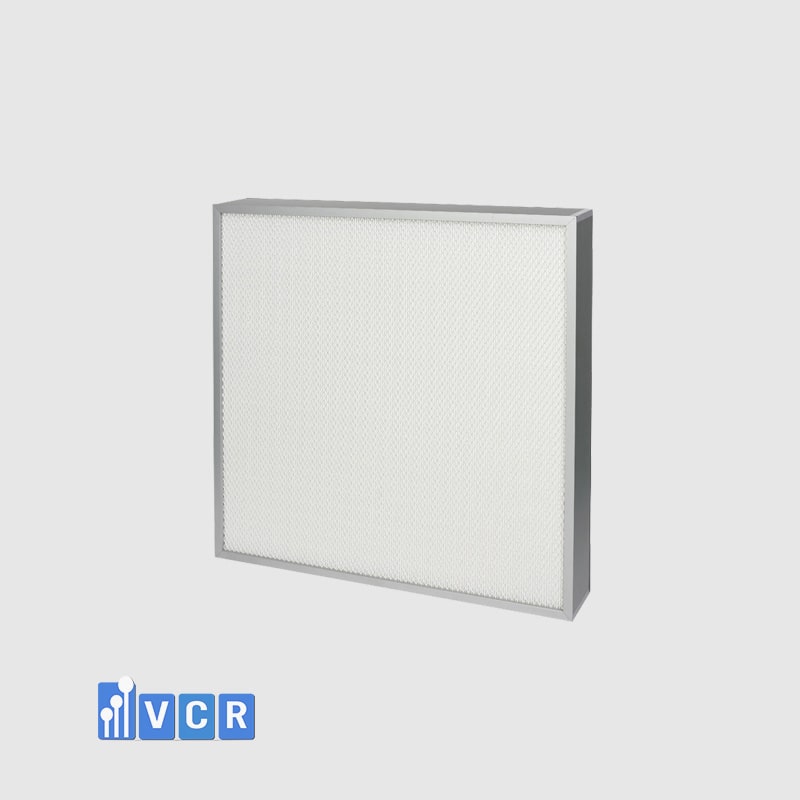
In areas used for weighing, sampling, and handling powder materials, a Dispensing Booth plays an important role in controlling dust, reducing cross-contamination, and protecting operators. However, the effectiveness of a Dispensing Booth does not come only from the booth structure, fan, or airflow direction. It depends greatly on the HEPA Filter. HEPA Filter stands for High Efficiency Particulate Air, meaning a high-efficiency air filter. Its function is to capture fine airborne particles before clean air is supplied into the working zone.
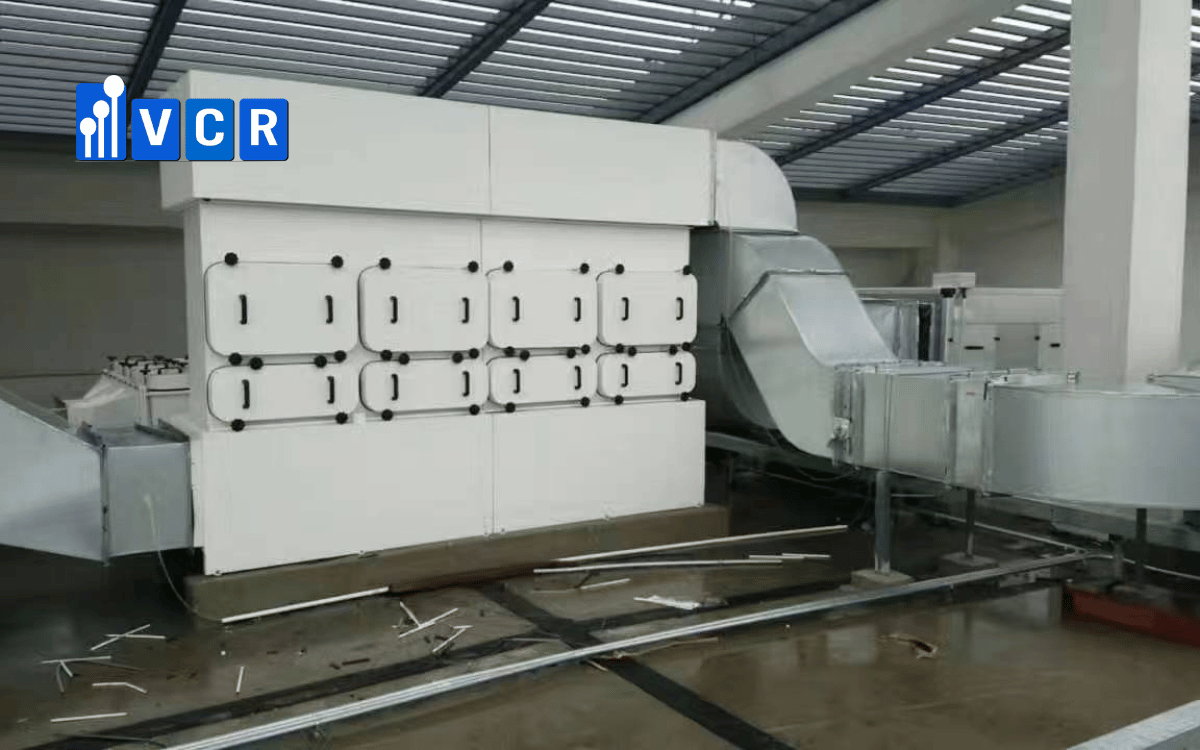
In actual cleanroom operation, many factories often pay attention to the size of the Dispensing Booth, air velocity, or stainless steel material, but have not fully recognized the role of the HEPA Filter in the entire system. If the filter is selected incorrectly, installed without proper sealing, not inspected periodically, or used for too long after being overloaded with dust, the dust-control efficiency of the Dispensing Booth can decline significantly. This directly affects product quality, operator working conditions, and the ability to control cross-contamination in the cleanroom area.
This article analyzes in detail the functions, service life, signs of deterioration, and inspection methods of HEPA Filters in Dispensing Booths, helping factories, investors, and cleanroom contractors understand how to properly select, operate, and maintain filters in material dispensing booth systems.
Why Is the HEPA Filter the Most Important Component in a Dispensing Booth?
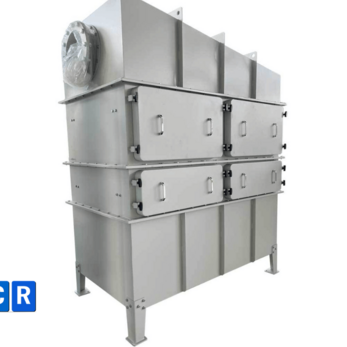
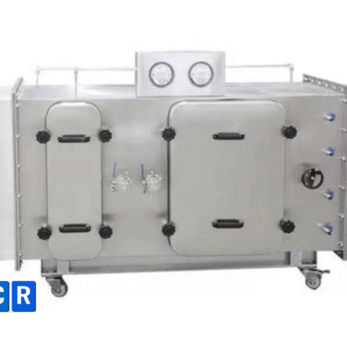
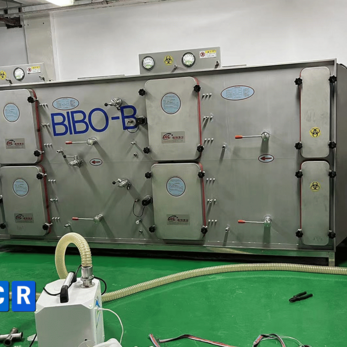
A Dispensing Booth is a material weighing booth, operation booth, or sampling booth with controlled airflow. It is commonly used in pharmaceutical, cosmetic, nutraceutical, high-purity chemical, and many other manufacturing industries that require dust control. In these areas, operators often need to open raw material bags, pour powder into containers, weigh materials, take samples for testing, or transfer materials from large packaging to smaller packaging. These operations all have a very high potential to generate fine dust.
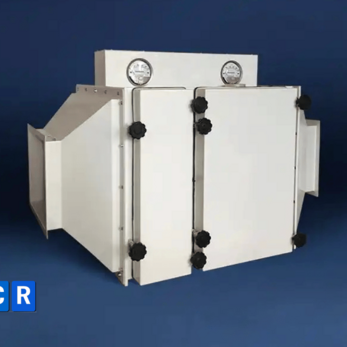
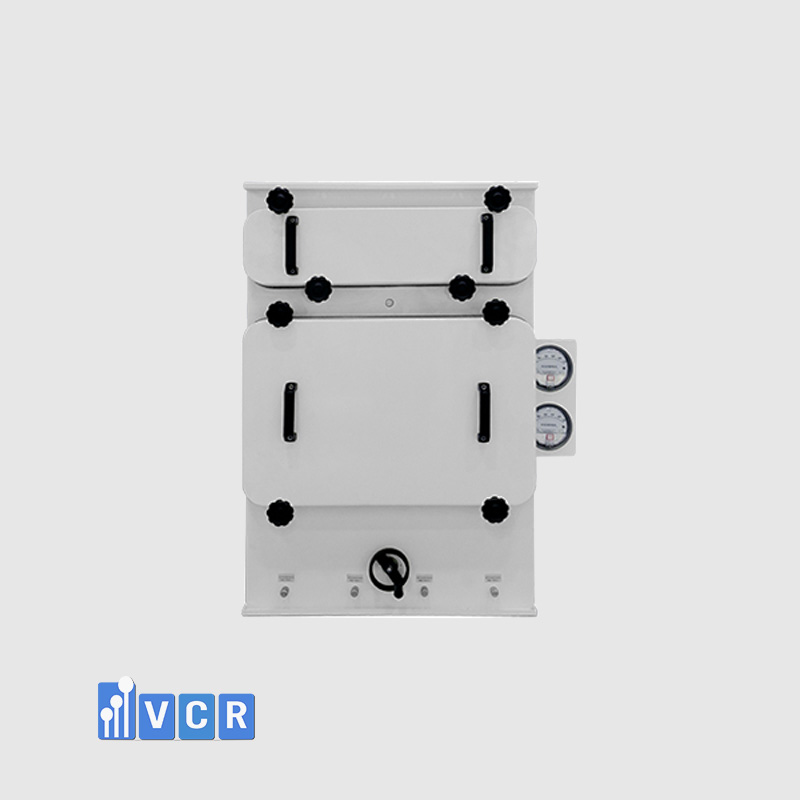
From the outside, a Dispensing Booth may simply be understood as a working chamber with a fan, lights, an operating area, and a return-air system. However, the component that determines the quality of airflow in the working zone is the HEPA Filter. A HEPA Filter is a high-efficiency air filter capable of capturing fine particles in the airflow. In a Dispensing Booth, this filter is usually located in the final filtration section before clean air is supplied down into the working area.
When an operator handles powder, generated dust is drawn by directional airflow toward the return-air area. The dust-laden air then passes through filtration stages, in which the HEPA Filter acts as the final control layer to ensure that the air supplied back into the working zone reaches the required cleanliness level. If this filter does not operate stably, the entire working area inside the Dispensing Booth may be affected.
The role of a HEPA Filter is not merely “dust filtration” in the ordinary sense. In a cleanroom, dust is not only a factor that makes surfaces dirty; it can also become a source of cross-contamination between products, distort formulas, affect the purity of raw materials, and create risks for operators. Especially in pharmaceutical, cosmetic, or nutraceutical manufacturing, the raw material weighing area is a risk point because materials are often exposed and not sealed like finished products.
The HEPA Filter helps the Dispensing Booth maintain a controlled working zone. When clean air is supplied from above, the weighing area is covered by filtered airflow. This airflow helps reduce particles from the surrounding environment falling into materials, while also helping draw generated dust toward the return-air area. As a result, the equipment contributes to product protection, operator protection, and protection of the surrounding cleanroom area.
It can be said that if the fan creates air movement, the working chamber provides the operating space, and the return-air grilles direct dust movement, then the HEPA Filter determines the quality of the clean air being supplied back. A Dispensing Booth may have a good design, but if the HEPA Filter is poor in quality, installed incorrectly, or not inspected periodically, it will be difficult to achieve stable dust-control performance. Therefore, when evaluating a Dispensing Booth, the HEPA Filter should not be considered a simple replaceable accessory, but rather the core component of the entire cleanroom dust-control solution.
What Is a HEPA Filter in a Dispensing Booth?
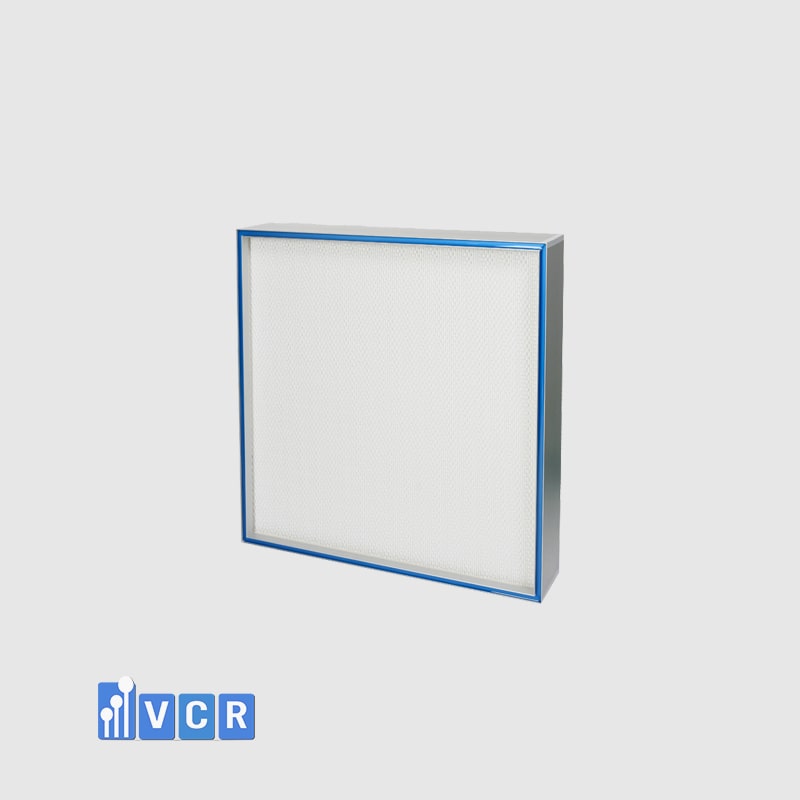
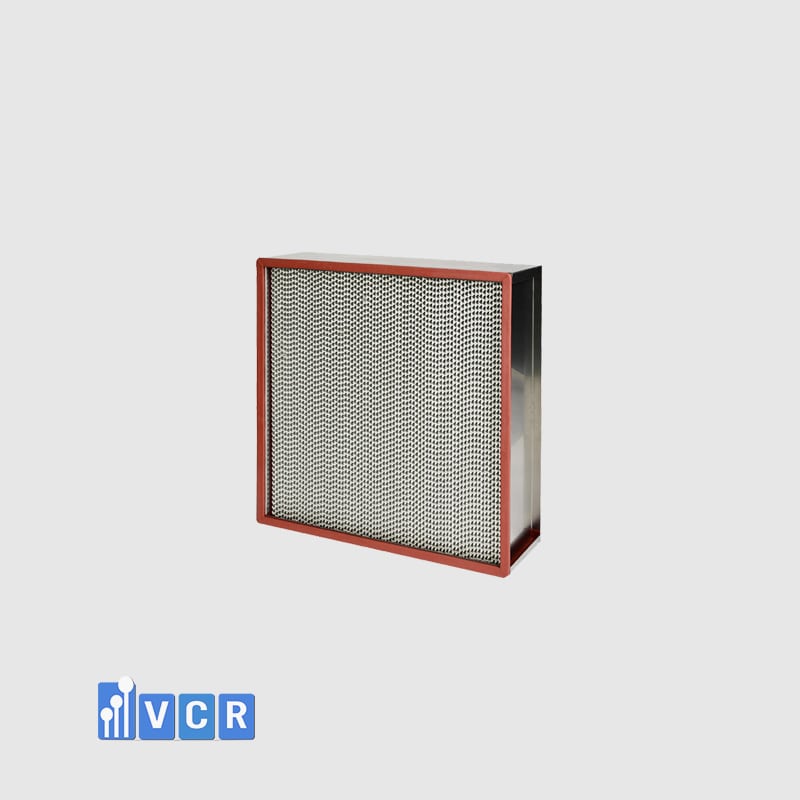
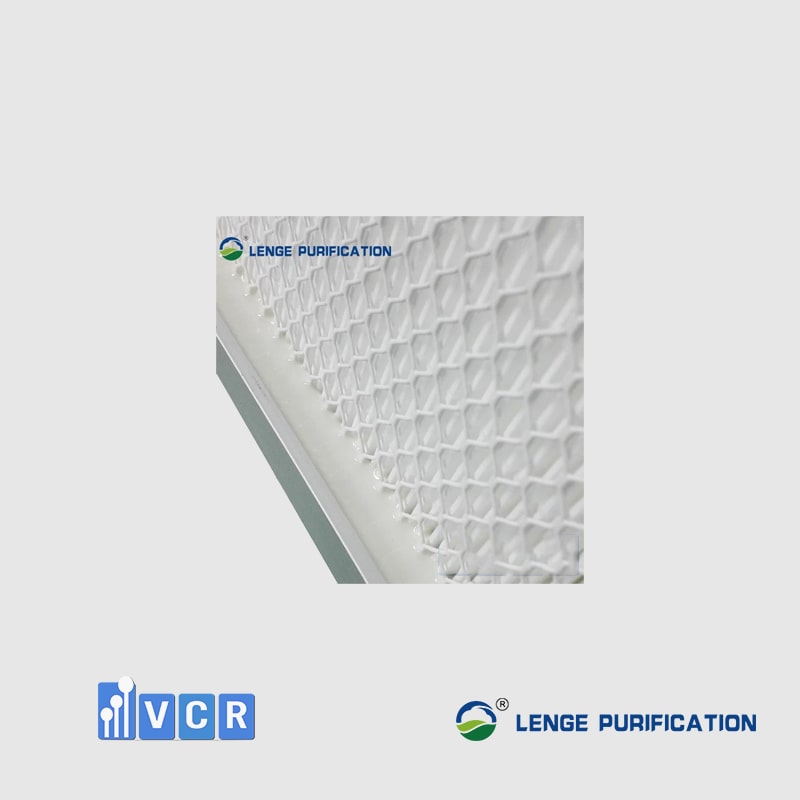
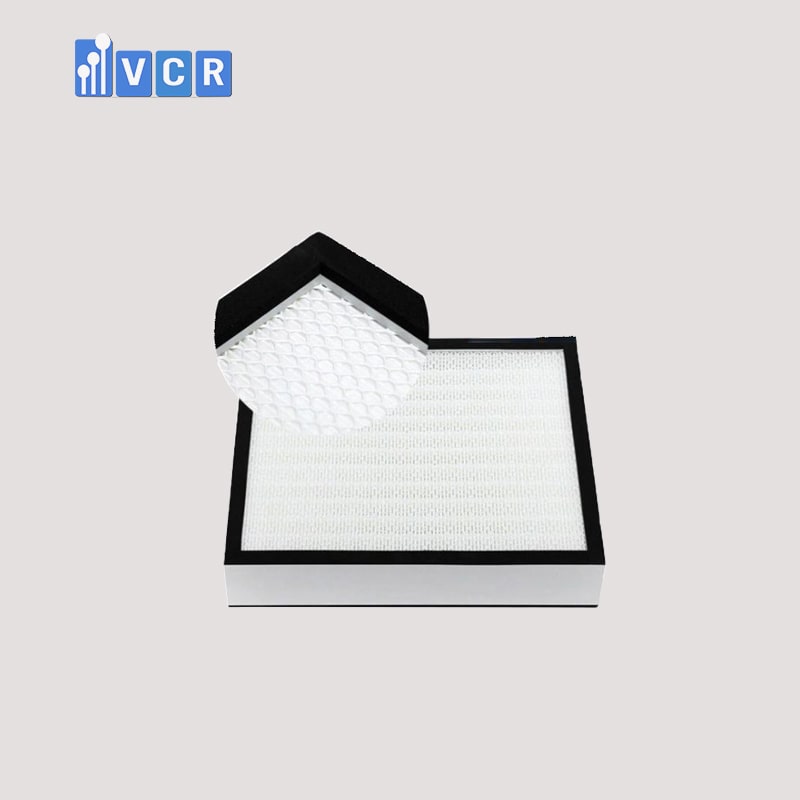
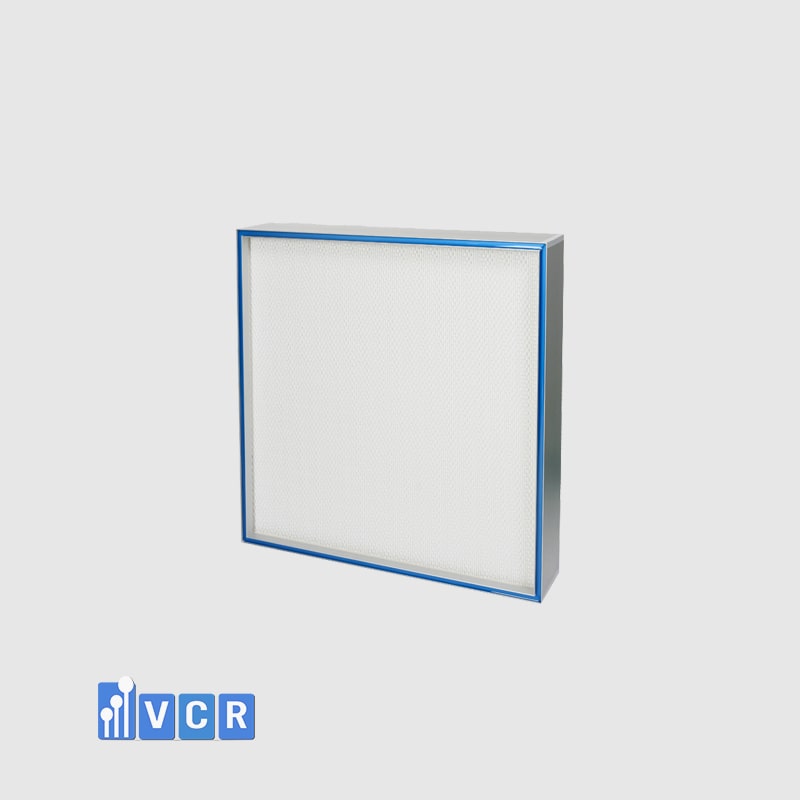
A HEPA Filter in a Dispensing Booth is a high-efficiency air filter installed in the filtration system of a material dispensing booth. Its function is to capture fine particles before clean air is supplied into the working zone. HEPA stands for High Efficiency Particulate Air, meaning a high-efficiency air filter. In cleanroom environments, HEPA Filters are commonly used to control airborne particles, especially small dust particles that cannot be seen with the naked eye.
In a Dispensing Booth, air usually moves in a controlled circulation loop. Clean air is supplied from above into the working area, passes through the area where the scale, raw material bags, containers, or sampling points are located, then carries generated dust and is drawn back through the return-air grilles. This return air passes through a filtration system, which may include a pre-filter, an intermediate filter, and a HEPA Filter, before being supplied back into the working area. In this cycle, the HEPA Filter usually acts as the final filtration stage, determining the cleanliness of the supply airflow.
A HEPA Filter in a Dispensing Booth should not be understood as an independent filter operating separately. Its effectiveness is always connected to the overall equipment design, including airflow volume, air velocity, supply-air outlet position, return-air position, filter frame tightness, fan condition, and how operators arrange objects inside the working chamber. If airflow is disturbed, obstacles block the return-air path, or the filter is not installed tightly, the actual performance of the HEPA Filter may be reduced even if the filter grade appears acceptable on paper.
In cleanroom applications, HEPA H13 and HEPA H14 are two commonly mentioned filter grades. H13 and H14 are high-efficiency filtration grades often used in environments that require strict control of dust particles. H14 usually has higher filtration efficiency than H13, but this does not mean that every Dispensing Booth must use H14. The selection of filter grade must be based on cleanliness requirements, the type of material handled, dust-generation level, GMP requirements, and the acceptance criteria of each factory.
GMP stands for Good Manufacturing Practice. In pharmaceutical or nutraceutical factories, GMP not only requires products to be manufactured under clean conditions, but also requires factories to control contamination and cross-contamination risks throughout operation. Therefore, the HEPA Filter in a Dispensing Booth does not only serve the purpose of air filtration; it is also part of the contamination-control strategy in the raw material weighing area.
In short, the HEPA Filter in a Dispensing Booth is an important air filtration component that helps create clean airflow for the working zone, supports control of generated dust, and contributes to maintaining stable working conditions in the cleanroom. When selecting or maintaining a Dispensing Booth, understanding the role of the HEPA Filter correctly helps factories avoid many operational risks later.
Functions of the HEPA Filter in a Dispensing Booth
The first function of the HEPA Filter in a Dispensing Booth is to create clean airflow supplied into the working zone. When the equipment operates, air that has passed through the filtration system is blown from above down into the working area. This airflow helps cover the weighing, sampling, or powder-handling zone. Without a HEPA Filter, the air supplied into the working area could carry fine particles from the circulation system or surrounding environment, reducing the cleanliness of the working area.
The second function is to capture fine airborne particles. During bag opening, powder pouring, weighing, or sampling, raw material dust can disperse quickly. Part of this dust is drawn by airflow toward the return-air grilles and then passes through the filtration system. The pre-filter and intermediate filter can capture larger particles, while the HEPA Filter handles finer particles before the air is supplied back into the working zone. As a result, the air circulation loop inside the Dispensing Booth does not become a source of dust returning to the working area.
The third function is to help reduce the risk of dust returning to the working zone. If the filtration system is not efficient enough, dust may continue to circulate inside the equipment. In that case, operators may notice that dust remains airborne in the booth even though the fan is running, or that the weighing area becomes dirty quickly after each operation. The HEPA Filter helps reduce this risk by capturing most fine particles in the airflow, thereby improving the quality of supply air.
The fourth function is to contribute to maintaining a localized clean area inside the Dispensing Booth. The cleanliness class of the entire room depends on the HVAC system, meaning Heating, Ventilation and Air Conditioning. However, at dust-generation points such as raw material weighing areas, a more effective local control solution is needed. The HEPA Filter in the Dispensing Booth helps create a working zone that is cleaner than the surrounding environment, especially when raw materials are exposed.
The fifth function is to support cross-contamination control. Cross-contamination means the transfer of materials, dust, active ingredients, microorganisms, or impurities from one product, material, or area to another product, material, or area. In weighing areas, many different materials may be handled by batch or formula. If dust from a previous material remains in the air or on surfaces, the risk of affecting the next material increases. The HEPA Filter cannot replace cleaning procedures, but it helps reduce suspended dust in the airflow, thereby contributing to lower cross-contamination risk.
However, it is important to understand that the HEPA Filter is not the only factor that determines the effectiveness of a Dispensing Booth. A good filter may still fail to deliver dust-control performance if air velocity is unsuitable, return air is blocked, fan performance declines, or the operator places too many obstacles inside the working chamber. The HEPA Filter must operate together with the entire airflow system, booth structure, upstream filtration stages, cleaning procedures, and actual operating practices.
Therefore, the function of the HEPA Filter in a Dispensing Booth should be viewed from a system perspective. It does not only filter particles. It also contributes to clean air generation, working-zone stability, product protection, operator protection, and the maintenance of the cross-contamination control strategy in cleanrooms.
How Does the HEPA Filter Affect Dust-Control Efficiency in a Dispensing Booth?
The dust-control efficiency of a Dispensing Booth depends on the coordination between airflow, return-air position, fan airflow volume, and the filtration system. In that chain, the HEPA Filter plays an important role because it determines the quality of the filtered air. If the HEPA Filter works properly, the air supplied back into the working zone will be cleaner, helping the weighing area remain more stable. If the HEPA Filter leaks, becomes overloaded, or is not installed tightly, dust may continue to circulate inside the equipment and reduce dust-control efficiency.
When operators handle powder materials, dust is generated at the source. This may include dust from active ingredient powders, excipients, color powders, fragrances, additives, vitamins, minerals, or other loose materials. Without controlled airflow, dust will spread around, settle on equipment surfaces, floors, walls, operators’ garments, or tools in the area. The Dispensing Booth addresses this issue by creating directional airflow, often downflow, meaning airflow from top to bottom.
Downward airflow helps cover the working zone and draw dust toward the return-air grilles. Dust-laden air is then brought into the filtration system. Here, the HEPA Filter captures fine dust before the air returns to the working zone. If the filter is still in good condition and installed tightly, the filtered airflow will be more stable in quality. If the filter has gaps around the frame, part of the air may bypass the filter instead of passing through the filter media. This phenomenon reduces actual filtration performance even if the filter media itself still has dust-capturing capability.
Another issue is filter loading, meaning the accumulation of dust on the filter over time. As dust builds up on the filter media, resistance increases, differential pressure across the filter rises, and airflow volume may decrease if the fan cannot compensate. Differential pressure means the pressure difference across the filter and is an important indicator for monitoring filter condition. When differential pressure rises abnormally, it may indicate that the filter is dirty or clogged. When airflow volume decreases, the ability to draw dust toward the return-air area may also decrease, making dust more likely to spread inside the working chamber.
Conversely, if differential pressure is too low compared with the normal state, the factory should not immediately conclude that the filter is in good condition. Abnormally low differential pressure may indicate that the filter has not been installed tightly, the gasket is leaking, or there is an air leakage path. In this case, air may bypass the filter, reducing particle-control performance. Therefore, differential pressure monitoring should be combined with air velocity testing, filter leak testing, and particle testing when necessary.
The HEPA Filter also affects the stability of the weighing process. If the supply air is not clean or airflow volume is unstable, dust may return to the working zone, increasing the risk of dust settling on the scale, raw material bags, containers, or tools. With sensitive materials, even a small amount of cross-mixed dust can affect the quality of the production batch. Therefore, the HEPA Filter does not only affect the technical parameters of the equipment; it also affects the reliability of the entire material-handling process.
In practice, for a Dispensing Booth to control dust effectively, a factory must ensure three factors at the same time: airflow is designed correctly, the HEPA Filter operates correctly, and operators work correctly. If one of these three factors is missing, the expected dust-control performance may not be achieved.
What Factors Affect the Service Life of a HEPA Filter in a Dispensing Booth?
The service life of a HEPA Filter in a Dispensing Booth should not be understood as a fixed number applicable to every factory. In some locations, the filter may operate stably for a long time, while in other areas it may need inspection or replacement sooner due to high dust generation. Actual service life depends on material characteristics, operating frequency, upstream filtration design, cleaning conditions, airflow volume, and how the factory monitors differential pressure during use.
The first factor is the amount of dust generated during operation. If the Dispensing Booth is used for fine, light, easily dispersed powder materials or operates with a high weighing frequency, the HEPA Filter will carry a heavier dust load. The more dust there is, the faster the filter media becomes clogged, resistance increases, and differential pressure exceeds normal operating limits. Conversely, if the area handles materials that generate little dust or is used infrequently, the filter service life may be longer.
The second factor is the type of material. Not all powders have the same characteristics. Some powders are very fine, light, and easily suspended in air. Some have high adhesion and easily stick to filter surfaces, increasing resistance. Some materials contain moisture or absorb moisture, which may cause dust to adhere more firmly to the filter media. Therefore, the same type of Dispensing Booth may have different HEPA Filter service lives when used for different material groups.
The third factor is the effectiveness of the pre-filter and intermediate filter. A pre-filter captures larger dust particles, fibers, and coarse impurities. A medium filter, or intermediate filter, continues to capture smaller particles before air reaches the HEPA Filter. If these two upstream filtration stages are selected correctly and maintained well, they reduce the load on the HEPA Filter and help the final filter operate more stably. If the pre-filter is omitted, selected incorrectly, or not replaced on schedule, the HEPA Filter will become dirty more quickly.
The fourth factor is operating frequency and operating time. A Dispensing Booth that runs for many hours per day and serves multiple production shifts will naturally place a heavier load on the filter than equipment used only occasionally. In addition to running time, the number of times raw material bags are opened, powder is poured, weighing is performed, and cleaning is carried out after operations also affects how much dust enters the return-air system.
The fifth factor is system tightness. If the filter frame, sealing gasket, or installation position has gaps, air may bypass the filter. This not only reduces filtration efficiency but also makes differential pressure readings fail to reflect the actual condition accurately. A filter that seems “light” because of low differential pressure may actually have bypass leakage, meaning air is going around the filter. Therefore, HEPA Filter service life cannot be evaluated based only on usage time; it must be assessed together with installation and tightness checks.
The sixth factor is cleaning and operating conditions. If the working chamber is not cleaned properly, dust accumulates at the return-air grilles, internal surfaces, or around the filter area, increasing the dust load on the system. If operators place raw material bags, containers, or tools in ways that block the return-air path, dust may not be collected in the right direction, reducing the effectiveness of the entire system. When airflow is disturbed, dust may remain suspended longer in the chamber and increase filter loading.
The seventh factor is humidity and environmental conditions. In some cases, high humidity may make dust more adhesive and affect filtration. Although Dispensing Booths usually operate in cleanrooms with controlled temperature and humidity, if environmental conditions are unstable, filter service life may still be affected.
Therefore, the question “How often should the HEPA Filter in a Dispensing Booth be replaced?” should not be answered with a rigid time interval. A more appropriate approach is to build a monitoring plan based on differential pressure, air velocity, particle test results, leak test results, operating frequency, and the quality requirements of each factory. The best HEPA Filter service life is not the longest possible use, but operation within a controlled condition, with monitoring data, and replacement before the filter becomes a risk to the system.
Signs That the HEPA Filter in a Dispensing Booth Needs Inspection or Replacement
The most recognizable sign that a HEPA Filter needs inspection is increased differential pressure. Differential pressure is the pressure difference between the upstream and downstream sides of the filter. When dust accumulates on the filter media, air becomes harder to pass through, resistance increases, and differential pressure rises. If differential pressure exceeds the operating limit set by the factory, the filter should be inspected to determine whether it is dirty, clogged, or overloaded.
The second sign is reduced airflow volume or air velocity. Airflow velocity is an important parameter in a Dispensing Booth because it affects the ability to direct dust toward the return-air grilles. When the HEPA Filter is clogged, airflow volume may decrease, causing the downward airflow to become insufficient or unstable for controlling generated dust. Operators may notice that dust remains suspended longer, the working area becomes harder to keep clean, or dust collection efficiency decreases noticeably.
The third sign is that particle test results fail to meet requirements. A particle test measures airborne particle levels and can be used to evaluate the cleanliness of the working zone. If the number of particles exceeds the set limit, the factory should inspect the entire system, with the HEPA Filter being an important item. However, a failed particle test is not always caused by the HEPA Filter. Possible causes may include poor cleaning, incorrect operation, air leakage, obstacles in the working chamber, or instability in the room where the equipment is installed.
The fourth sign is leakage detected during filter testing. A HEPA leak test evaluates whether air is bypassing the filter or leaking through the installation points. If leakage is found at the filter frame, gasket, joints, or filter media area, the factory should address it immediately. Filter leakage is a serious risk because it allows insufficiently filtered air to enter the working zone.
The fifth sign is increased dust dispersion during operation. If weighing operations were previously stable but dust begins to spread more easily over time, equipment surfaces become dirty faster, or operators feel that working conditions have declined, airflow and the filtration system should be checked. This may indicate that the HEPA Filter is overloaded, but it may also be related to the fan, return-air grilles, or operating procedure.
The sixth sign is abnormal equipment noise or the fan working under heavier load. When the filter is clogged, the fan system may have to operate against greater resistance. This can increase noise, reduce efficiency, or destabilize airflow volume. If this occurs together with rising differential pressure, the likelihood that the filter needs inspection is very high.
The seventh sign is that the filter has exceeded the maintenance plan. Even if the factory monitors differential pressure and test results, it should still maintain a scheduled inspection plan. If the HEPA Filter has been used for too long without recent inspection records, operation should not continue solely because the equipment appears to run normally. In cleanrooms, “still running” does not mean “still under control.”
The important point is that HEPA Filters should not be replaced only by subjective judgment, but inspection should also not wait until a clear failure occurs. A suitable approach is to combine differential pressure data, air velocity, particle test results, leak test results, maintenance schedules, and actual operating conditions to make a decision.
Inspection Methods for HEPA Filters in Dispensing Booths
Inspecting the HEPA Filter in a Dispensing Booth is not only about determining whether the filter can still be used. It also helps evaluate the overall air-control status of the equipment. A filter may be new but still create risks if it is not installed tightly. Conversely, a filter that has been used for a long time may continue to be monitored if differential pressure, air velocity, and test results remain within limits. Therefore, inspection should rely on multiple methods rather than a single indicator.
The first method is differential pressure testing. A differential pressure test helps monitor the resistance level of the filter during operation. As the filter accumulates dust, differential pressure rises. If differential pressure exceeds the limit, the filter may be dirty or clogged. If differential pressure is abnormally low, there may be leakage, loose filter installation, or airflow not following the designed route. Differential pressure testing is simple but very useful because it can be monitored regularly during daily operation.
The second method is air velocity testing. An airflow velocity test evaluates whether the supply airflow in the working zone meets requirements. In a Dispensing Booth, air velocity must not be too low because dust may not be effectively drawn toward the return-air grilles. However, air velocity should also not be too high because it may blow powder, create turbulence, or affect weighing operations. When testing air velocity, measurements should be taken at appropriate positions in the working zone to evaluate airflow distribution, rather than measuring only one point and drawing conclusions for the entire booth.
The third method is airflow volume testing. An airflow test evaluates the amount of air processed per unit of time. Airflow volume is directly related to the ability to maintain the air circulation loop inside the Dispensing Booth. If airflow volume decreases because of a clogged filter, weak fan, or blocked return-air path, dust-control performance will also decline. Airflow volume testing is often combined with air velocity and differential pressure testing to provide a more complete assessment.
The fourth method is HEPA Filter leak testing. A HEPA leak test is an important test in systems that require high reliability. The purpose of this test is to determine whether there is any location on the filter, gasket, installation frame, or joint that allows unfiltered air to pass through. Leakage may occur because the filter is damaged, the filter media has a defect, the gasket is not sealed, the filter frame is deformed, or installation was performed incorrectly. For Dispensing Booths used in pharmaceutical, cosmetic, or nutraceutical areas with strict requirements, leak testing is an important item after installation or filter replacement.
The fifth method is particle testing in the working zone. A particle test measures the number of airborne particles and is used to evaluate the cleanliness level of the working area. Particle test results help the factory determine whether the working zone meets the set requirements. If the result fails, many causes should be considered: the HEPA Filter, airflow, cleaning, surrounding room condition, operating position, the number of objects in the booth, and operating procedures. Particle testing does not only test the filter itself; it reflects the effectiveness of the entire system under testing conditions.
The sixth method is a smoke test. A smoke test means using smoke to observe airflow direction. It helps technicians visually see how airflow moves inside the Dispensing Booth. When test smoke is introduced into the working zone, technicians can observe whether airflow moves steadily from top to bottom, whether simulated dust is drawn toward the return-air grilles, whether there are vortex zones, dead zones, or airflow escaping outside the booth. Smoke testing is especially useful because some airflow issues cannot be detected simply by looking at the equipment or reading differential pressure values.
The seventh method is mechanical and installation inspection of the filter. This includes checking the filter frame, gasket, filter clamping mechanism, contact surfaces, filter installation direction, access door tightness, and the condition of upstream filtration stages. A small issue such as a misaligned gasket, unevenly compressed filter frame, or incorrectly installed filter can reduce HEPA Filter performance.
In cleanroom validation, meaning cleanroom performance verification or qualification, these tests are often included in acceptance records or periodic inspection programs depending on project requirements. For Dispensing Booths, especially those used in raw material weighing areas, HEPA Filter inspection should be considered part of the performance assurance strategy, not merely a maintenance task carried out only when the equipment has a problem.
When Should HEPA Filter Inspection Be Performed?
The HEPA Filter in a Dispensing Booth should be inspected at several different points in the equipment life cycle. The first time is after new installation. When a Dispensing Booth is installed in a factory, initial inspection helps confirm that the equipment is installed correctly, the filter is sealed, airflow is appropriate, and the working zone meets design requirements. This is an important basis before the equipment is officially put into use.
The second time is after replacing a HEPA Filter. Every filter replacement carries a risk of deviation if the filter is not installed correctly, the gasket is not sealed, the clamping frame is not evenly tightened, or the filter is not compatible with the equipment. Therefore, after filter replacement, the factory should recheck necessary parameters such as differential pressure, air velocity, tightness, and in some cases, leak testing. This ensures that the new filter truly performs its function.
The third time is after major maintenance activities. If the Dispensing Booth has its fan repaired, components replaced, deep cleaning performed, control system adjusted, or air path modified, airflow conditions may change. In such cases, rechecking the HEPA Filter and related parameters helps prevent a situation where the equipment appears normal from the outside but its internal performance differs from the previous condition.
The fourth time is according to a periodic schedule. Depending on factory regulations, usage frequency, material risk level, and GMP requirements, the factory should establish a periodic inspection plan for HEPA Filters. Periodic inspection helps detect early trends such as increasing differential pressure, reduced airflow volume, or declining particle-control performance before the issue becomes an operational problem.
The fifth time is when abnormal signs appear. If differential pressure rises or drops abnormally, dust disperses more than usual, the working zone becomes difficult to keep clean, particle test results become unstable, or operators report changes in working conditions, inspection should be performed immediately. The factory should not wait until the next scheduled maintenance period if signs indicate that the system may have a problem.
The sixth time is when the factory changes the type of material being handled. Some new materials may generate more dust, finer dust, or dust with higher adhesion. In that case, the dust load on the filtration system may change. Inspecting the HEPA Filter after trial operation with the new material helps the factory evaluate whether the equipment is still suitable or whether operating procedures, cleaning methods, or maintenance frequency need adjustment.
The seventh time is when there are acceptance, qualification, or internal audit requirements. Qualification means verifying or confirming equipment according to quality requirements, often requiring test data to prove that the equipment operates correctly. Validation means confirming performance under actual conditions and may also require HEPA Filter, airflow, and particle testing depending on applicable standards.
In general, HEPA Filter inspection should not only take place when the filter is already damaged or the equipment operates abnormally. A better approach is life-cycle inspection: inspection after installation, inspection after filter replacement, periodic inspection, inspection when the process changes, and inspection when abnormal signs appear. This approach helps the Dispensing Booth maintain a more stable condition over the long term.
Common Mistakes That Reduce HEPA Filter Performance in Dispensing Booths
A common mistake is selecting the wrong filter grade. Some projects choose HEPA Filters based only on price or general specifications without carefully considering cleanliness requirements, material type, dust-generation level, and acceptance criteria. If the filter grade is unsuitable, the system may fail to meet particle-control requirements. Conversely, choosing too high a filter grade without considering airflow volume, filter resistance, and fan capacity may also make the system operate inefficiently.
The second mistake is installing the filter without proper sealing. This is one of the most serious mistakes because it allows air to bypass the filter. When there are gaps around the filter frame, the gasket is misaligned, or the filter clamping mechanism is uneven, part of the unfiltered air may enter the clean supply air zone. In this case, even a high-grade HEPA Filter cannot deliver full performance. Therefore, after filter installation or replacement, tightness inspection is very important.
The third mistake is ignoring the role of the pre-filter and intermediate filter. Many people focus only on the HEPA Filter and forget that upstream filtration stages help reduce dust load on the final filter. If the pre-filter is dirty, torn, installed incorrectly, or not replaced on time, larger dust particles may enter deeper into the system and clog the HEPA Filter faster. A prematurely overloaded HEPA Filter not only increases replacement costs but also affects the airflow volume of the Dispensing Booth.
The fourth mistake is not monitoring differential pressure periodically. Differential pressure is a simple but very important indicator for recognizing filter condition. If the factory does not record differential pressure over time, it will be difficult to know whether the filter is gradually becoming dirty, clogging unusually quickly, or showing signs of leakage. Checking only when the equipment has a problem often puts the factory in a passive position and may increase production risks.
The fifth mistake is replacing the filter at the wrong time. Replacing too late may cause filter overload, reduced airflow volume, and poor dust control. Replacing too early without data, however, may unnecessarily increase operating costs. The decision to replace a HEPA Filter should be based on differential pressure, usage time, test results, and the risk level of the operating area.
The sixth mistake is cleaning the working chamber incorrectly. If dust accumulates heavily in the working chamber, at the return-air grilles, or around equipment surfaces, the dust load entering the filtration system will increase. In some cases, incorrect cleaning may stir up dust, send it into the return airflow, and cause the filter to become dirty faster. Cleaning the Dispensing Booth should be performed according to a suitable procedure, especially after handling each type of material.
The seventh mistake is placing too many obstacles in the working zone. Raw material bags, containers, carts, tools, or scales placed incorrectly may disturb airflow, block return-air grilles, or prevent airflow from properly covering the dust-generation zone. When airflow is disturbed, dust is not effectively drawn into the filtration system, preventing the HEPA Filter from performing its designed role.
The eighth mistake is failing to inspect after filter replacement. Some factories replace the HEPA Filter and immediately put the equipment back into operation without checking differential pressure, air velocity, or tightness. This may overlook installation errors. In cleanrooms with strict requirements, filter replacement should be accompanied by verification checks to ensure that the equipment has returned to stable operating condition.
These mistakes show that HEPA Filters cannot be managed simply by the rule “replace when broken.” For a Dispensing Booth to control dust effectively, the factory must manage the filter as part of the operating system, including proper selection, proper installation, proper monitoring, and proper maintenance.
How to Extend the Service Life of a HEPA Filter in a Dispensing Booth
Extending HEPA Filter service life does not mean using the filter as long as possible. The correct understanding is to operate the Dispensing Booth so that the filter works under stable conditions, is not abnormally overloaded, and is replaced before it becomes a system risk. A reasonable HEPA Filter service life comes from controlling dust from the beginning, reducing the load on the final filter, and maintaining monitoring data throughout operation.
The first principle is to use suitable pre-filters and intermediate filters. The pre-filter captures large particles, fibers, and coarse dust. The intermediate filter continues capturing smaller particles before air reaches the HEPA Filter. If upstream filtration stages are selected correctly, installed properly, and replaced on schedule, the HEPA Filter will not have to bear the full dust load of the system. This is an effective way to extend final filter service life while maintaining supply air quality.
The second principle is to clean the operating area according to procedure. After weighing or sampling materials, remaining dust in the working chamber must be handled properly. If dust is allowed to accumulate for a long time, each equipment operation or new handling activity may cause dust to be drawn into the airflow again, increasing the filtration load. Proper cleaning also helps reduce the risk of cross-contamination between different materials.
The third principle is periodic differential pressure monitoring. Recording differential pressure helps the factory see the filter’s dust-loading trend over time. If differential pressure rises unusually quickly, the cause may need to be investigated, such as increased dust generation, damaged pre-filter, poor cleaning, or process changes. With good monitoring, the factory can inspect proactively before the filter becomes overloaded.
The fourth principle is checking air velocity and airflow. A HEPA Filter may have a reasonable service life, but unstable airflow can still reduce dust-control efficiency. If air velocity is too high, dust may be strongly disturbed and filter loading may increase. If air velocity is too low, dust is not effectively collected toward the return-air grilles, making the working zone dirtier. Therefore, air velocity should be checked and maintained within limits suitable for the design.
The fifth principle is operator training. Users of the Dispensing Booth need to understand which positions must not be blocked, how to place raw material bags, how to handle powder, how to clean after use, and why differential pressure monitoring is necessary. If operators place obstacles incorrectly or perform actions that disturb airflow, dust-control efficiency will decrease even when the equipment configuration is good.
The sixth principle is not to use the HEPA Filter beyond controlled limits. Some factories try to save costs by extending filter use even when differential pressure is already high or test results are unstable. This is risky cost-saving because it may affect product quality, operating conditions, and the ability to meet inspection requirements. Extending service life must be based on proper operation, not delayed replacement.
The seventh principle is maintaining the fan and return-air path. If fan performance declines, fan blades accumulate dust, the return-air path is blocked, or return-air grilles are not cleaned, the system will become unbalanced. In that case, the HEPA Filter may be evaluated incorrectly or forced to operate under unstable conditions. Dispensing Booth maintenance should consider the whole system, not only the filter.
When these principles are applied together, the HEPA Filter will have more stable operating conditions, a more reasonable service life, and fewer incidents. The important point is that factories should build a habit of data-based management rather than relying on subjective judgment.
What Should Be Considered When Selecting a HEPA Filter for a Dispensing Booth?
When selecting a HEPA Filter for a Dispensing Booth, the first factor to consider is the filter grade. HEPA H13 and HEPA H14 are two common choices in cleanroom applications. H13 may be suitable for many standard dust-control areas, while H14 is often considered for stricter particle-control requirements. However, H14 should not be selected simply because a higher filter grade seems better. Higher filter grades often come with greater resistance, which may affect airflow volume if the fan and system design are not suitable.
The second factor is filter size and configuration. The HEPA Filter must be compatible with the installation frame, airflow cross-section, design airflow volume, and maintenance space of the Dispensing Booth. If the size is unsuitable, the filter may be difficult to seal properly or may change airflow distribution. For existing equipment, replacement filters should be matched with the original technical specifications, not selected only by approximate size.
The third factor is airflow volume and filter resistance. Filter resistance affects the fan’s ability to push air through the filter. If the selected filter has resistance that is too high for the design, airflow volume may decrease, air velocity in the working zone may fail to meet requirements, and dust-control efficiency may be affected. Conversely, selecting an unsuitable filter only to reduce resistance may result in filtration performance that does not meet requirements.
The fourth factor is frame and gasket tightness. In a cleanroom, tightness is as important as filter grade. An H14 filter installed with gaps around the frame may perform worse than a correctly selected and tightly installed filter. Therefore, when selecting a HEPA Filter, the gasket type, contact surface, filter clamping mechanism, and leak testing capability after installation should all be considered.
The fifth factor is the material-handling condition. If the Dispensing Booth is used for fine dust materials, active ingredients, color powders, fragrances, or easily dispersed materials, both the filter and upstream filtration stages should be selected more carefully. For high-risk materials, the factory may also need to evaluate containment requirements, meaning the ability to control and retain contaminants within acceptable limits.
The sixth factor is GMP and acceptance requirements. GMP stands for Good Manufacturing Practice. In GMP environments, selecting a HEPA Filter is not only about making the equipment run, but also about having a technical basis, specification documents, inspection capability, replacement capability, and clear maintenance procedures. The factory should define these requirements from the URS stage. URS stands for User Requirement Specification.
The seventh factor is future replacement and maintenance capability. A filter that is difficult to source, has a long lead time, or is not compatible with multiple suppliers may create difficulties when the factory needs urgent replacement. Therefore, when selecting a Dispensing Booth and HEPA Filter, the entire operating life cycle should be considered, not only the initial cost.
In actual projects, VCR Cleanroom Equipment, as a cleanroom equipment supplier for cleanroom contractors, can support the selection of Dispensing Booth and HEPA Filter configurations suitable for each factory’s layout, airflow volume, target cleanliness class, and acceptance requirements. Early coordination between the contractor, design unit, and equipment supplier helps reduce the risk of selecting the wrong filter grade, lacking maintenance space, or failing to meet post-installation inspection requirements.
FAQ – Frequently Asked Questions About HEPA Filters in Dispensing Booths
Question: What is the function of a HEPA Filter in a Dispensing Booth?
A HEPA Filter in a Dispensing Booth captures fine airborne particles before clean air is supplied into the working zone. This filter helps create clean airflow, supports dust control during material weighing or sampling, and contributes to reducing cross-contamination risk in the cleanroom area.
Question: How often should the HEPA Filter in a Dispensing Booth be replaced?
There is no fixed replacement interval for every case. The replacement timing depends on differential pressure, operating frequency, dust generation, material type, particle test results, leak test results, and each factory’s maintenance requirements. The best approach is to monitor operating data instead of replacing based on subjective judgment.
Question: What is the difference between HEPA H13 and H14?
HEPA H13 and H14 are both high-efficiency filter grades commonly used in environments that require dust particle control. H14 usually has higher filtration efficiency than H13, but may also have higher resistance. The choice between H13 and H14 should be based on cleanliness requirements, airflow volume, Dispensing Booth design, and factory acceptance criteria.
Question: Can a HEPA Filter be cleaned and reused?
In most cleanroom applications, HEPA Filters should not be cleaned in the usual way for reuse like pre-filters. Blowing, washing, or applying strong force may damage the filter media, cause leakage, or reduce efficiency. If the filter is overloaded, leaking, or fails inspection, the appropriate solution is usually replacement according to procedure.
Question: What does increased HEPA Filter differential pressure mean?
Increased differential pressure usually indicates that the filter is becoming dirty, clogged, or heavily loaded with dust. As differential pressure rises, airflow volume may decrease and the dust-control efficiency of the Dispensing Booth may be affected. However, other factors such as the pre-filter, intermediate filter, fan, and return-air path should also be checked to determine the exact cause.
Question: When should HEPA Filter leak testing be performed?
HEPA Filter leak testing should be performed after new installation, after filter replacement, after major maintenance, or when there is concern about particle-control performance. In areas with strict requirements such as pharmaceutical, cosmetic, or nutraceutical facilities, leak testing is an important method to confirm that the filter and installation frame are not leaking.
Question: Can a Dispensing Booth still be effective if the HEPA Filter is running but not periodically inspected?
Effectiveness should not be judged only by the fact that the equipment is still running. A running fan does not mean that the HEPA Filter still meets performance requirements or that the system remains sealed. Without periodic inspection, the factory may miss filter clogging, leakage, reduced airflow volume, or unstable airflow. Periodic inspection is necessary to maintain dust-control performance.
Question: What should cleanroom contractors consider when selecting HEPA Filters for Dispensing Booths?
Contractors should consider filter grade, airflow volume, resistance, filter size, frame tightness, maintenance space, leak testing requirements, and actual operating conditions. The HEPA Filter should not be selected separately from the Dispensing Booth design and the overall cleanroom system. Correct selection from the design stage helps reduce modification risks and supports smoother acceptance testing.
HEPA Filter Determines the Stability of a Dispensing Booth in Dust Control
The HEPA Filter is one of the most important components determining the effectiveness of a Dispensing Booth in areas used for weighing, sampling, and handling powder materials. This filter not only creates clean airflow supplied into the working zone, but also supports fine dust control, protects products, reduces operator exposure, and limits cross-contamination risks in cleanrooms.
However, a HEPA Filter only performs its role properly when it is selected correctly, installed tightly, operated under suitable conditions, and inspected periodically. A filter with a high filtration grade but poor installation, no differential pressure monitoring, or prolonged use after dust overload can still become a weak point in the system. Conversely, a system managed with differential pressure data, air velocity testing, particle testing, and leak testing helps the factory become more proactive in maintenance and quality control.
In modern cleanroom design, the raw material weighing area should not be viewed as a standalone operating point. It is a dust-generation source that can directly affect products, operators, and the surrounding environment. Therefore, the HEPA Filter in a Dispensing Booth should be managed as part of the overall contamination-control strategy.
When a factory correctly understands the function, service life, and inspection methods of HEPA Filters, the Dispensing Booth will operate more stably, control dust more effectively, and better support long-term GMP, hygiene, safety, and quality requirements.
Hai VCR