- Why Is It Necessary to Distinguish Between a Dispensing Booth and an Air Shower in a Cleanroom?
- What Is a Dispensing Booth in a Cleanroom System?
- What Is an Air Shower in a Cleanroom System?
- Working Principle of a Dispensing Booth
- Working Principle of an Air Shower
- Difference in Purpose: Source Dust Control and Dust Control Before Entering the Cleanroom
- Difference in Installation Location Within the Cleanroom Layout
- Difference in Controlled Objects: Personnel, Materials, and Powder Materials
- Difference in Filtration System and Airflow
- Difference in Protecting Products, Operators, and the Cleanroom Environment
- When Should a Dispensing Booth Be Used, and When Should an Air Shower Be Used?
- Common Mistakes When Comparing and Selecting Dispensing Booths and Air Showers
- FAQ – Frequently Asked Questions About Dispensing Booths and Air Showers
- Dispensing Booths and Air Showers Control Two Different Risks in Cleanrooms
In a cleanroom system, each piece of equipment is designed to control a specific group of risks. Dispensing Booths and Air Showers are both important cleanroom equipment. Both may use HEPA filtration systems and both are related to dust control. However, these two pieces of equipment do not serve the same purpose. A Dispensing Booth focuses on controlling dust generated during weighing, sampling, or handling powder materials. An Air Shower, on the other hand, focuses on removing dust attached to personnel, cleanroom garments, carts, or materials before they enter the clean area.
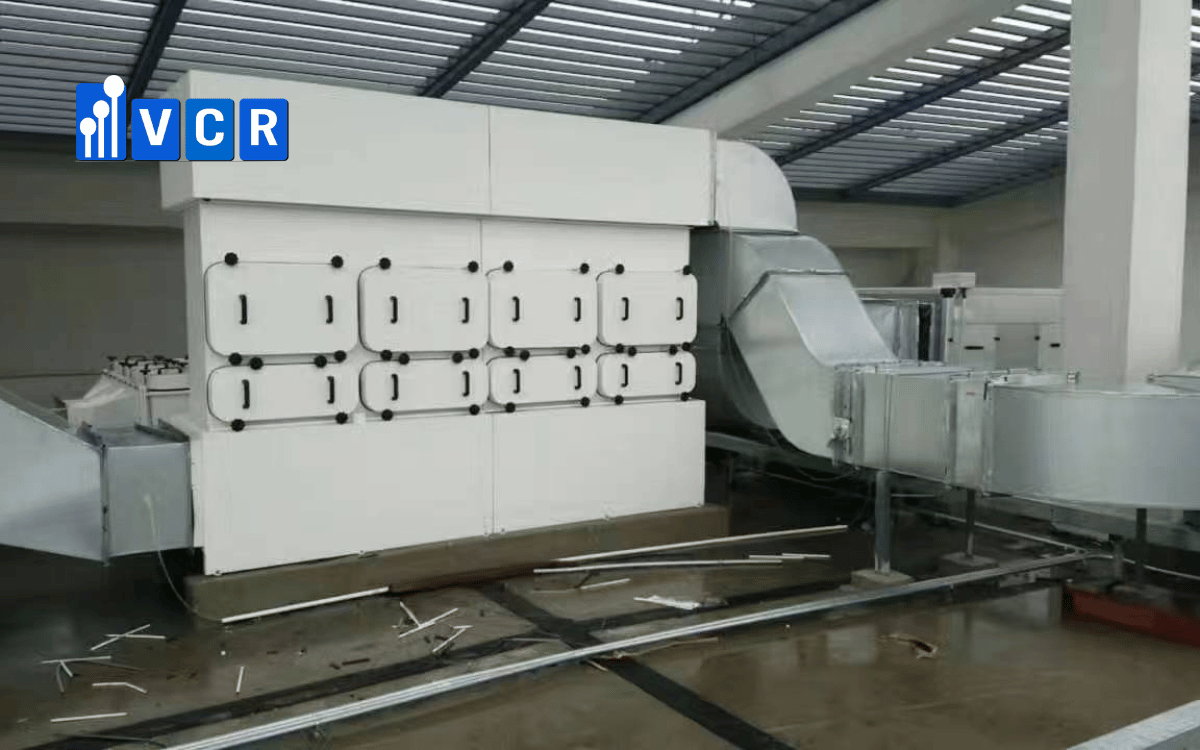
Confusing a Dispensing Booth with an Air Shower may lead to selecting the wrong equipment, installing it in the wrong location, or expecting the wrong function from it. If an Air Shower is used to replace a Dispensing Booth in a raw material weighing area, dust generated from opening bags, pouring powder, or weighing materials may still spread into the surrounding environment. Conversely, if a Dispensing Booth is expected to replace an Air Shower at the cleanroom entrance, the factory will overlook an important control point for dust attached to personnel and materials before they enter the production area.
This article analyzes the differences between Dispensing Booths and Air Showers in cleanroom systems, covering their definitions, working principles, installation locations, controlled objects, filtration systems, protective roles, and selection criteria for each project.
Why Is It Necessary to Distinguish Between a Dispensing Booth and an Air Shower in a Cleanroom?
In actual cleanroom design and construction, Dispensing Booths and Air Showers are often placed in the same category of cleanroom equipment. Both are related to airflow, air filtration, and dust control. These external similarities often cause people to assume that they can replace each other. However, when viewed from the perspective of contamination control, these two devices address completely different risk points within a cleanroom system.
A Dispensing Booth is equipment used to control dust at the material-handling point. It is typically installed in areas for weighing, sampling, powder dispensing, or preparing loose materials. When operators open raw material bags, pour powder into containers, or weigh materials, fine dust can be released directly into the air. The Dispensing Booth creates a controlled-airflow working zone that draws dust toward the return-air system and filters it before clean air is supplied back into the working area.
An Air Shower has a different role. An Air Shower is an air-blowing chamber, usually installed at the entrance to a cleanroom or at a transition point between an outside area and a clean area. This equipment uses high-speed airflow to blow dust off cleanroom garments, shoes, material surfaces, or carts before personnel or items enter the cleanroom. In other words, an Air Shower controls dust brought in from outside, while a Dispensing Booth controls dust generated inside during operations.
Correctly distinguishing between these two devices is very important because a cleanroom does not only need good equipment; it needs equipment with the right function and in the right position. An Air Shower, even if equipped with a HEPA filtration system, is not designed to collect dust continuously generated from powder materials. A Dispensing Booth, even though it creates clean airflow inside the working chamber, is not designed to clean personnel or materials before they enter the cleanroom.
If the wrong equipment is selected, a cleanroom system may develop a control gap. For example, if a factory has a powder weighing area but only installs an Air Shower at the entrance without a Dispensing Booth, dust can still be generated heavily in the weighing area. Conversely, if a factory has a well-designed Dispensing Booth in the weighing room but does not control dust attached to personnel and materials before they enter the room, external dust can still be brought into the production area.
Therefore, Dispensing Booths and Air Showers should not be compared in terms of which equipment is “better.” The correct question is: what risk does each device control, where should it be placed in the cleanroom layout, and which stage of personnel flow, material flow, and production process does it serve?
What Is a Dispensing Booth in a Cleanroom System?
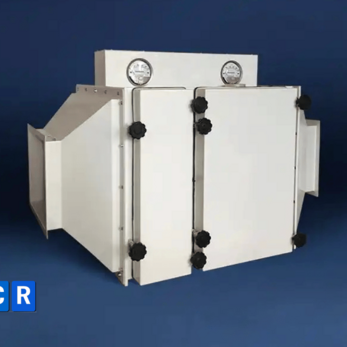
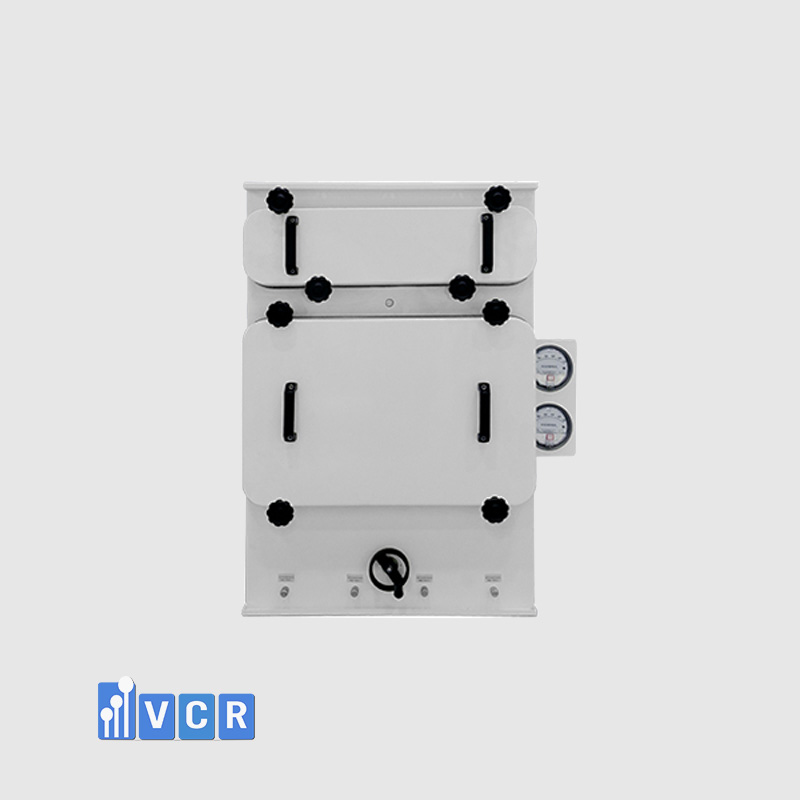
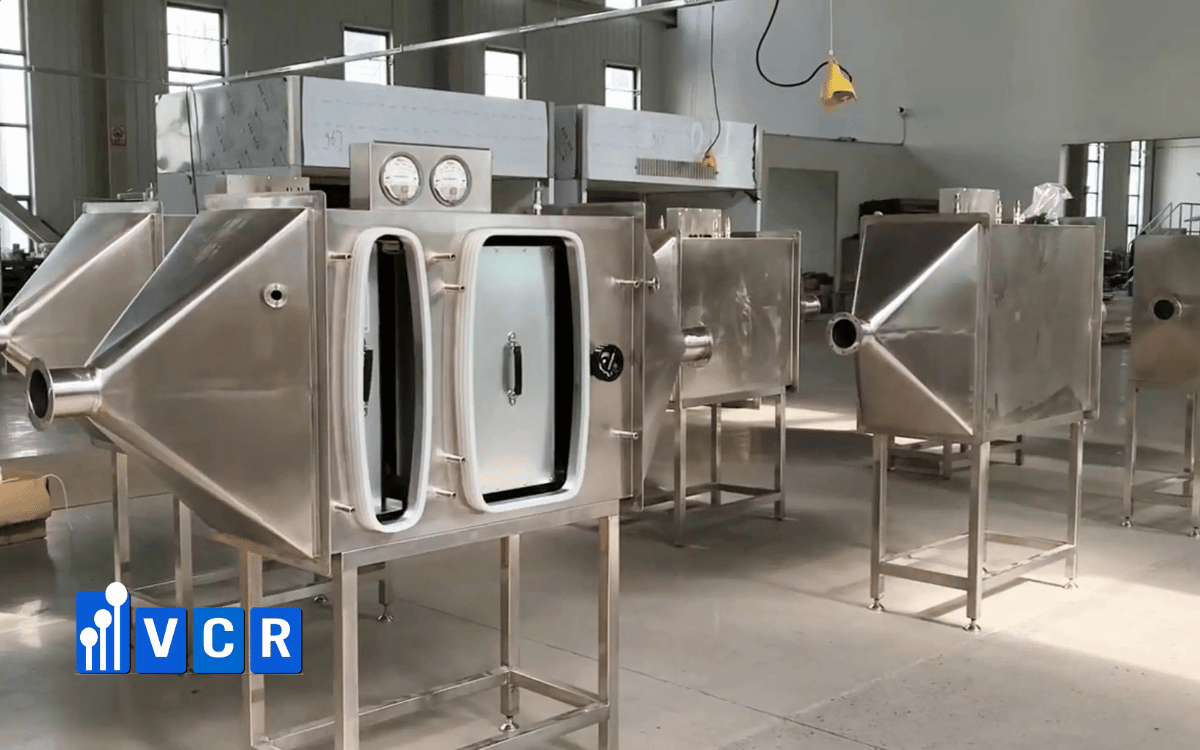
A Dispensing Booth is a material weighing booth, sampling booth, or working booth used for handling powder materials in a cleanroom. This equipment is commonly used in high-dust-risk areas such as raw material weighing rooms, incoming material sampling areas, powder dispensing areas, formulation areas, or semi-finished product preparation areas. In pharmaceutical, cosmetic, nutraceutical, high-purity chemical, and biotechnology factories, a Dispensing Booth is an important device for dust control at the source.
In English, a Dispensing Booth may be referred to by different names depending on the application. “Dispensing Booth” means a material dispensing booth. “Weighing Booth” means a weighing booth. “Sampling Booth” means a sampling booth. “Downflow Booth” means a booth with airflow from top to bottom. “Powder Containment Booth” means a booth for controlling powder dust. These names may vary, but they all focus on one common goal: creating a working zone with controlled airflow to limit dust dispersion.
When operators handle powder materials, dust-generation risks can appear very quickly. Simply opening bags, pouring powder, dispensing materials, or taking samples can cause fine particles to become airborne and settle on equipment surfaces, walls, floors, carts, scales, or operators’ garments. In a cleanroom, this dust does not merely make the working area dirty; it may also create cross-contamination risks between products, affect raw material purity, and pose health risks to operators.
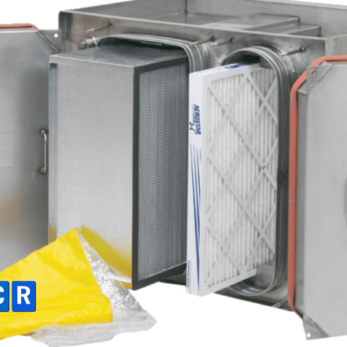
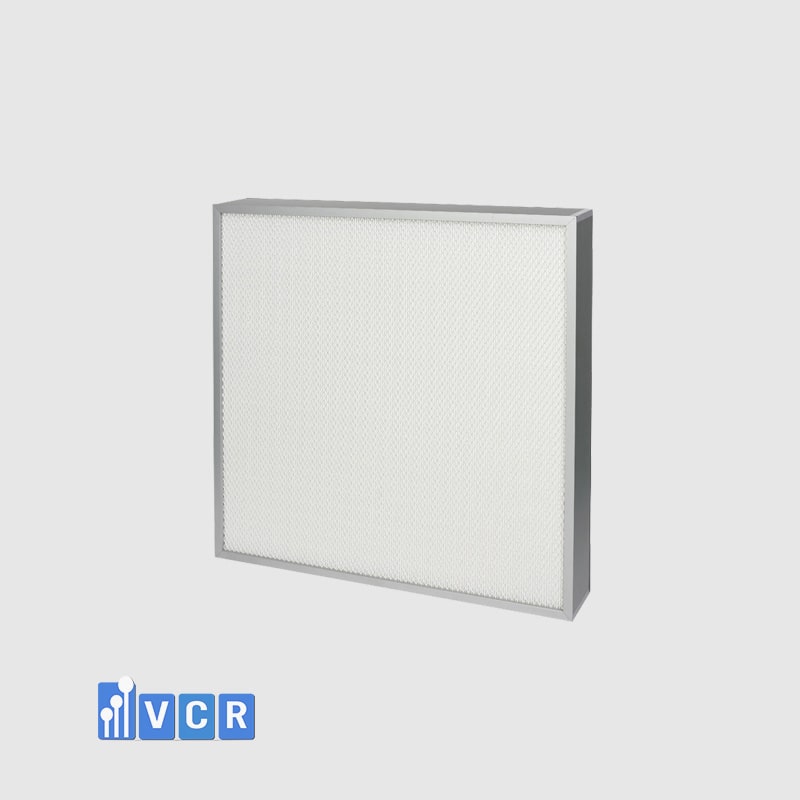
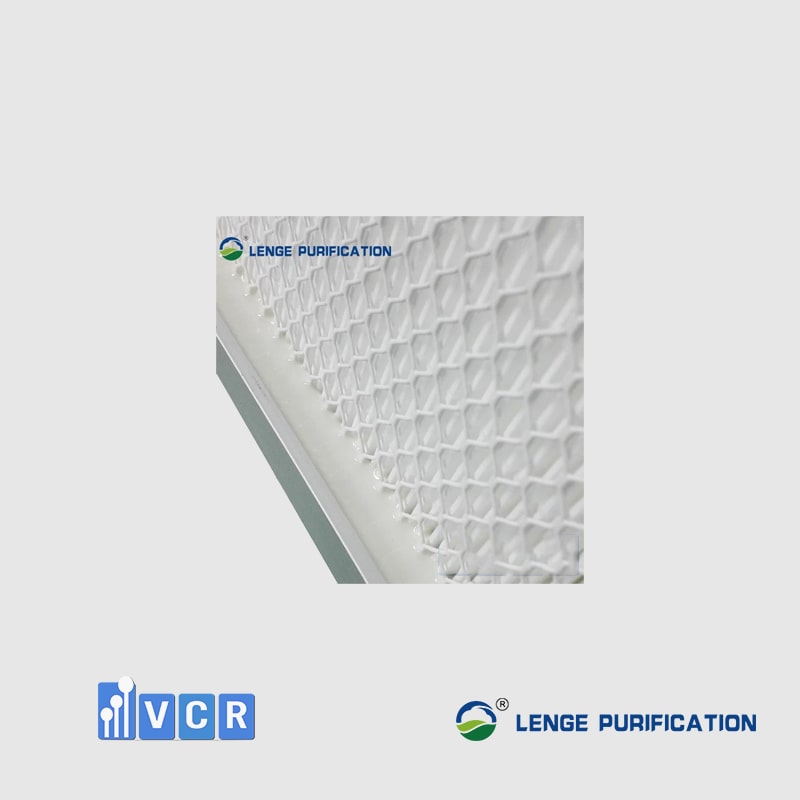
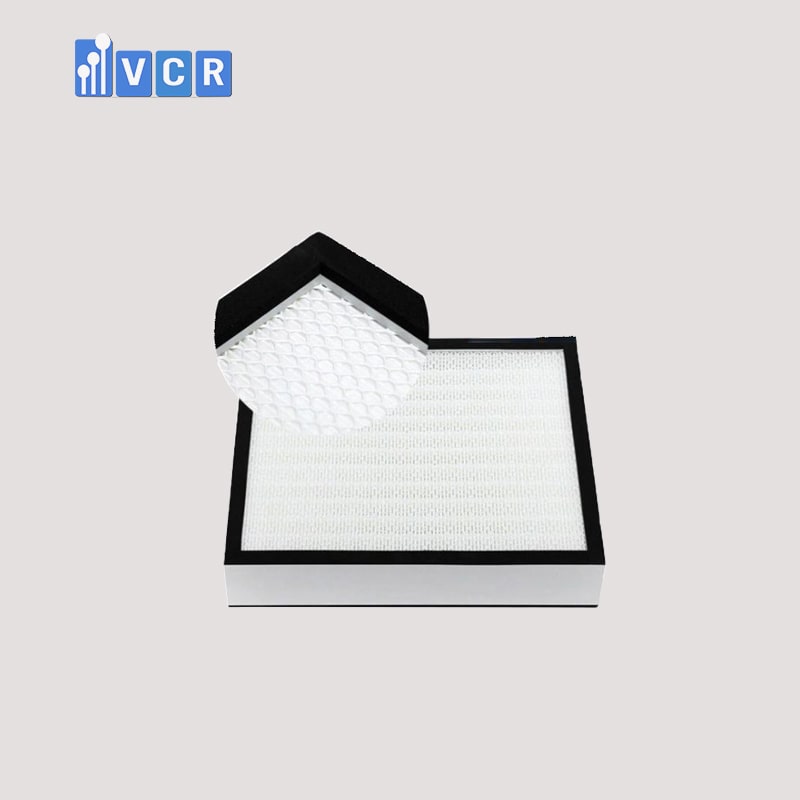
A Dispensing Booth addresses this issue by creating a localized working zone with controlled airflow. Clean air is usually supplied from above, passes through the working area, and draws generated dust toward return-air grilles. The dust-laden air is then passed through a filtration system, often consisting of a pre-filter, intermediate filter, and HEPA Filter. HEPA Filter stands for High Efficiency Particulate Air, meaning a high-efficiency air filter, and is responsible for capturing fine particles before clean air is supplied back into the working zone.
The important point is that a Dispensing Booth does not only protect the product. It also helps protect operators from raw material dust and protects the surrounding cleanroom environment from dust dispersion. For materials with active properties, odors, irritation potential, or high cross-contamination risk, the role of the Dispensing Booth becomes even more important.
In a cleanroom system, a Dispensing Booth should be considered dust-control equipment at the point of generation. It does not replace the overall HVAC system. HVAC stands for Heating, Ventilation and Air Conditioning. The HVAC system controls the general room environment, while the Dispensing Booth controls localized risks at the point where dust is generated.
What Is an Air Shower in a Cleanroom System?
An Air Shower is a high-speed clean-air blowing chamber used to remove or reduce dust attached to personnel, cleanroom garments, carts, boxes, or materials before they enter a clean area. A Cleanroom Air Shower means an air shower used for cleanrooms. This is one of the common types of equipment installed at cleanroom entrances, especially in pharmaceutical, cosmetic, nutraceutical, electronics, semiconductor, medical device, and other manufacturing facilities that require dust control.
Functionally, an Air Shower works as a control point before personnel or materials enter the cleanroom. After employees put on cleanroom garments, they step into the Air Shower. The entrance door closes, the exit door remains closed, and high-speed air nozzles begin blowing clean air onto the garment surfaces. A nozzle is an air outlet or air jet. These air streams help dislodge dust from garments, hoods, shoes, gloves, or material surfaces. The dust-laden air is then drawn back into the filtration system and recirculated.
An Air Shower usually has an interlock mechanism. Interlock means door interlocking, where the entrance and exit doors cannot open at the same time. This helps limit direct air exchange between the outside area and the clean area. When the air-blowing cycle ends, the cleanroom-side door opens and personnel or materials can enter. In this way, the Air Shower helps reduce the amount of dust carried into the cleanroom from outside.
It is important to understand that an Air Shower is not equipment for handling dust generated during production. It is not designed to continuously collect dust from operations such as opening raw material bags, weighing powder, or dispensing materials. The role of an Air Shower occurs before entering the cleanroom, while the role of a Dispensing Booth occurs during production operations inside the cleanroom.
In some cases, a cleanroom system may use a Pass Box Air Shower. A Pass Box is a transfer box, while a Pass Box Air Shower can be understood as a transfer box with air blowing. This equipment is commonly used to transfer materials or goods between two areas with different cleanliness levels while blowing air to reduce dust attached to the item surface before it enters the cleaner area.
An Air Shower may use a HEPA Filter to ensure that the air blown out is clean and does not add more dust to personnel or materials. However, the purpose of the HEPA Filter in an Air Shower is different from that in a Dispensing Booth. In an Air Shower, clean air is used to blow dust off surfaces. In a Dispensing Booth, clean air is used to create a controlled working zone and control dust generated from materials.
Therefore, an Air Shower is equipment for controlling dust at the entrance, not for controlling dust at the production point. This difference is the foundation for correctly understanding the role of an Air Shower in a cleanroom system.
Working Principle of a Dispensing Booth
The working principle of a Dispensing Booth is based on creating directional airflow within a localized working zone. The goal is to control dust directly where it is generated, instead of allowing dust to spread throughout the room and then relying on the overall HVAC system to handle it. When the equipment operates, clean air is supplied from above into the working area. This airflow passes through the working zone where operators weigh materials, open bags, take samples, or dispense powder.
Downflow means airflow from top to bottom. This is a common principle in Dispensing Booths because downward airflow helps cover the working area and direct generated dust toward the return-air grilles. Supply Air means clean air supplied into the working zone. Return Air means air that has passed through the working area, carried dust, and is collected back into the filtration system.
When operators open raw material bags or pour powder, fine dust tends to rise and spread around. Without directional airflow, dust may settle on scales, containers, tools, room surfaces, or operators’ garments. In a Dispensing Booth, downward airflow combined with return-air grilles positioned at the bottom, rear, or sides of the booth helps draw dust into the return-air system.
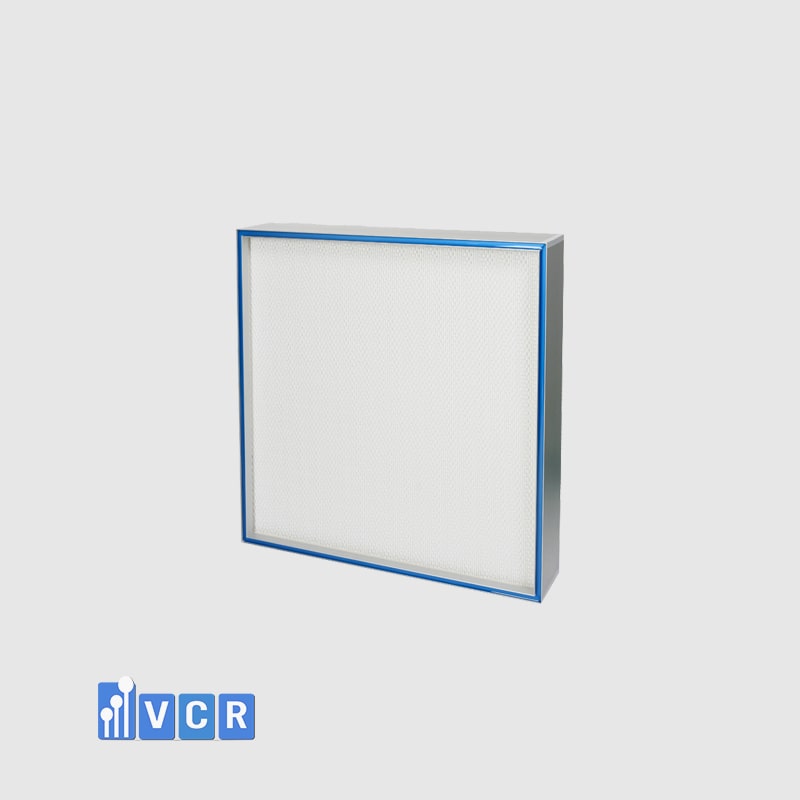
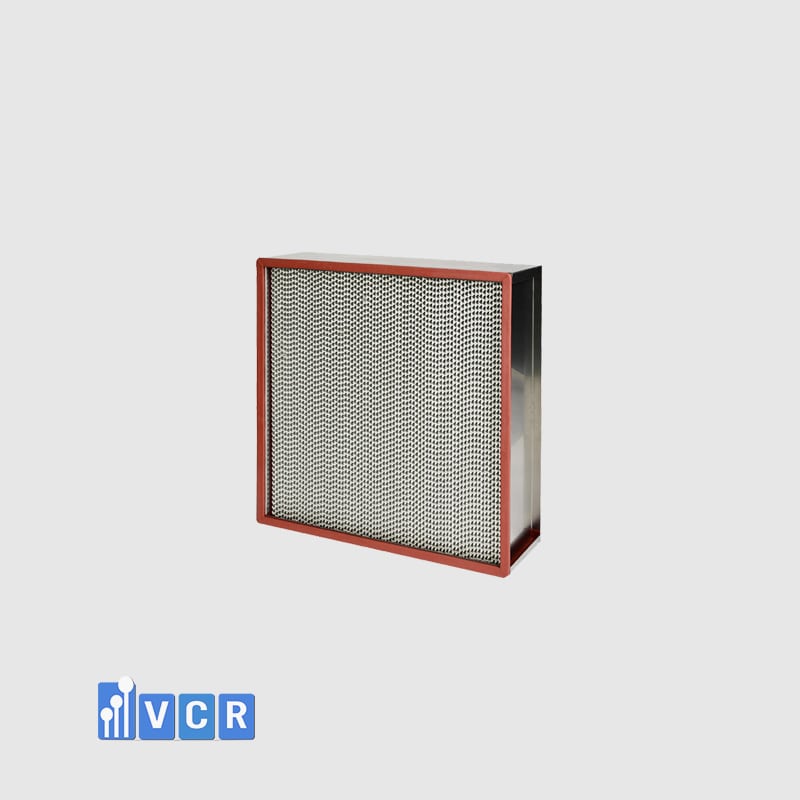
After the dust-laden air is drawn back, it passes through filtration stages. The pre-filter captures large particles, fibers, or coarse impurities. The intermediate filter captures smaller particles. Then the HEPA Filter captures fine particles before clean air is supplied back into the working zone. HEPA Filter stands for High Efficiency Particulate Air, meaning a high-efficiency air filter. In applications with strict requirements, HEPA H13 or H14 may be used depending on cleanliness requirements and acceptance criteria.
The key point in the working principle of a Dispensing Booth is source dust control. Dust is collected where it is generated. This is why Dispensing Booths are commonly used in raw material weighing areas, sampling areas, or powder dispensing areas. The equipment does not only supply clean air; it also collects dust-laden air, filters it, and reduces the amount of dust released into the surrounding environment.
The effectiveness of a Dispensing Booth depends on many factors: air velocity, airflow volume, return-air grille position, filter tightness, HEPA Filter efficiency, fan condition, arrangement of objects inside the working chamber, and operator procedures. If air velocity is too low, dust may not be collected effectively. If air velocity is too high, powder may be blown around or turbulence may occur. If the return-air grilles are blocked by material bags or containers, airflow may be disturbed and dust-control efficiency may decline.
Therefore, a Dispensing Booth is not simply a device that “blows air downward.” In essence, it is a localized air-control system responsible for supplying clean air, collecting dust-laden air, filtering the air, and maintaining a stable working zone at the dust-generation point.
Working Principle of an Air Shower
The working principle of an Air Shower is based on using high-speed clean airflow to blow dust off the surface of personnel or materials before they enter a cleanroom. This equipment is usually installed at the cleanroom entrance, between the changing area and the production area, or at a transition point between two areas with different cleanliness requirements.
The process begins when an operator or material enters the Air Shower chamber. The entrance door closes and the exit door remains locked by the interlock mechanism. Interlock means door interlocking, where two doors cannot open at the same time to limit direct air exchange between the outside area and the clean area. Once the door is closed, the fan system starts and clean air is blown out through the nozzles. A nozzle is an air jet or air outlet.
The nozzles are arranged on both side walls, overhead, or in different directions depending on the design. High-speed airflow acts on the surfaces of cleanroom garments, hoods, shoes, gloves, carts, or materials. The goal is to dislodge particles attached to the surface. After passing over the surface, the air carries dust and is drawn back into the Air Shower’s return-air system.
The return air in the Air Shower passes through the filtration system and is then recirculated to continue the air-blowing cycle. Many Air Showers use HEPA Filters to ensure that the air blown out is clean. HEPA Filter stands for High Efficiency Particulate Air, meaning a high-efficiency air filter. As a result, the air blown onto personnel or materials does not introduce additional dust from the system into the area being cleaned.
An Air Shower cycle usually lasts for a preset period of time, depending on factory requirements. During this time, the operator may be required to turn around or stand in the correct position so that airflow contacts more surfaces. After the cycle is complete, the cleanroom-side door opens and the person or material enters the clean area.
It should be noted that an Air Shower mainly reduces surface-attached dust. It cannot remove every particle completely, nor can it replace garmenting procedures, hand hygiene, material control, or personnel flow management. If employees wear cleanroom garments incorrectly, materials are not cleaned beforehand, or the entry procedure is not followed, the Air Shower cannot compensate for all of those errors.
An Air Shower is also not equipment for collecting dust generated during production. The high-speed airflow of an Air Shower is suitable for blowing dust off surfaces, but it is not suitable for controlling powder dust generated continuously in a raw material weighing area. If an Air Shower is used in a powder weighing area, the strong airflow may spread dust more instead of controlling it at the source. This is an important difference between an Air Shower and a Dispensing Booth.
Therefore, an Air Shower should be understood as dust-control equipment before entering the cleanroom. It helps reduce the dust load carried by personnel and materials into the room, contributing to the protection of the clean internal environment, but it does not replace dust-control equipment at production dust-generation points.
Difference in Purpose: Source Dust Control and Dust Control Before Entering the Cleanroom
The most important difference between a Dispensing Booth and an Air Shower lies in their purpose. A Dispensing Booth controls dust at the source of generation, while an Air Shower controls dust before personnel or materials enter the cleanroom. These are two different control points in the cleanroom contamination-control strategy.
A Dispensing Booth is used when production involves dust-generating operations. Typical examples include opening raw material bags, pouring powder, weighing, sampling, dispensing powder, or preparing semi-finished products. In these cases, dust is generated directly from the material. Without a localized control solution, dust may spread into the surrounding area, settle on equipment surfaces, affect other products, or increase exposure risks for operators.
An Air Shower is used before entering the cleanroom. The dust handled by an Air Shower is mainly dust attached to personnel, garments, shoes, carts, or materials. This dust source is not generated by production operations inside the room; it is carried in from outside. The purpose of the Air Shower is to reduce the amount of dust entering the cleanroom right at the entrance.
A simple way to understand the distinction is that a Dispensing Booth is a control point during production, while an Air Shower is a control point at the entrance. A Dispensing Booth answers the question: when powder is handled, how will the generated dust be controlled? An Air Shower answers the question: before personnel or materials enter the cleanroom, how will surface-attached dust be reduced?
Because their purposes are different, the two devices cannot replace each other. If a factory has a powder weighing area, installing an Air Shower at the entrance is necessary but not sufficient. Personnel may enter the room cleaner, but dust is still generated when powder bags are opened and weighed. At that point, a Dispensing Booth is needed to control dust at the working point.
Conversely, if a factory has a Dispensing Booth in the weighing area but no Air Shower or entry-control solution, external dust can still be carried into the cleanroom by personnel and materials. The Dispensing Booth only controls the working zone inside its chamber; it does not clean all personnel or materials before they enter the room.
In contamination control, each risk point requires a suitable solution. An Air Shower helps reduce incoming dust. A Dispensing Booth helps reduce dust generated during operations. One device protects the cleanroom before activity begins, while the other protects the cleanroom while dust-generating activities are taking place.
In terms of product protection, the Dispensing Booth has a more direct effect in the raw material weighing area because it creates a clean working zone and limits dust from mixing into materials. The Air Shower has an indirect effect because it helps reduce the amount of outside dust brought into the room. In terms of operator protection, the Dispensing Booth is more important during powder handling because it reduces exposure to material dust. The Air Shower mainly protects the cleanroom environment from dust attached to personnel.
In factories with GMP requirements, meaning Good Manufacturing Practice, correctly understanding the purpose of each device helps build a more reasonable contamination-control strategy. The question should not be whether to choose a Dispensing Booth or an Air Shower as if they were alternatives. Instead, it is necessary to identify which areas need an Air Shower, which areas need a Dispensing Booth, and whether the project needs both.
Difference in Installation Location Within the Cleanroom Layout
Layout means the overall arrangement of the cleanroom. In a cleanroom, layout is not only about arranging rooms and equipment neatly; it is also about organizing personnel flow, material flow, cleanliness levels, room pressure, and contamination-control points. Dispensing Booths and Air Showers differ clearly in their installation positions within a cleanroom layout.
An Air Shower is usually installed at the cleanroom entrance. Common locations include between the changing area and production area, between the outside corridor and clean corridor, or at a transition point between two areas with different cleanliness levels. The purpose is to allow personnel or materials to be air-cleaned before entering a cleaner area. Therefore, an Air Shower is usually located along the movement route, not inside the main production operation area.
If an Air Shower is installed in the wrong position, entry dust-control effectiveness may decline. For example, if personnel pass through the Air Shower but then walk through a non-clean area before entering production, dust may reattach to their garments. If materials follow another route without passing through a control point, dust from packaging or carts may still enter the cleanroom. Therefore, the location of the Air Shower must be connected to actual personnel and material flows.
A Dispensing Booth is usually installed in a raw material weighing area, sampling area, formulation area, or powder handling area. These are places where dust is generated during production or production preparation. The equipment must be arranged so that operators have enough space to open bags, place scales, position containers, use carts, and clean after operation. At the same time, the location of the Dispensing Booth must be compatible with room pressure, material movement direction, and cleaning procedures.
If a Dispensing Booth is installed in the wrong location, generated dust may spread to other areas. For example, if the equipment is placed near doors, near heavy traffic, or in an area with unstable pressure, airflow inside the booth may be affected. If it is located too close to another raw material storage area or another product operation area, cross-contamination risk may increase. If the surrounding space is insufficient, operators may place bags, containers, or tools in ways that block return-air grilles, reducing dust-control efficiency.
The location of an Air Shower is mainly related to entry control. The location of a Dispensing Booth is mainly related to control at the dust-generation point. The Air Shower is installed before personnel or materials enter the cleanroom. The Dispensing Booth is installed where the operation generates dust. One device is located at the boundary between a clean and less-clean area, while the other is located inside the controlled production zone.
In a well-designed cleanroom layout, both devices may coexist but in different positions. Operators pass through the changing area, enter the Air Shower, and then enter the cleanroom. When they reach the raw material weighing room, they work inside the Dispensing Booth. In this way, dust is controlled at both stages: before entering the room and during material-handling operations.
For cleanroom contractors, identifying the correct installation positions for these two devices from the design stage is very important. If equipment is added only after the room has been completed, issues may arise with space, power supply, doors, movement routes, pressure, and acceptance testing. Therefore, Air Showers and Dispensing Booths should be included in the layout early, based on risk analysis for each area.
Difference in Controlled Objects: Personnel, Materials, and Powder Materials
Dispensing Booths and Air Showers differ not only in installation location but also in the objects they control. An Air Shower focuses on personnel, cleanroom garments, carts, boxes, and materials before they enter the clean area. A Dispensing Booth focuses on powder materials and dust generated during material handling.
The controlled object of an Air Shower is usually an external surface. Even after changing garments, operators may still carry dust on their garments, hoods, shoes, or gloves. Carts, plastic boxes, secondary packaging, tools, and materials moving from a less-clean area to a cleaner area may also carry dust on their surfaces. The Air Shower uses high-speed airflow to dislodge some of this attached dust before personnel or materials enter the cleanroom.
The controlled object of a Dispensing Booth is dust generated from materials during operation. Powder dust means fine dust from powder materials. When bags are opened, powders are weighed, samples are taken, or materials are dispensed, dust is not merely attached to surfaces; it is continuously generated in the air. This is a different type of risk from dust attached to garments or materials. It requires equipment capable of creating a working zone, directing airflow, collecting dust, and filtering the air.
An Air Shower cannot replace a Dispensing Booth in a powder weighing area because it is not designed for continuous dust generation. The high-speed airflow of an Air Shower, if used in a weighing area, may blow powder more strongly and increase dust dispersion. In contrast, a Dispensing Booth uses airflow designed to draw dust toward the return-air area, not merely to blow strongly onto a surface.
Conversely, a Dispensing Booth cannot replace an Air Shower at the cleanroom entrance. A Dispensing Booth is not designed for personnel to stand inside it for garment cleaning before entering the room. It also does not have the door interlock logic and entry-control cycle of an Air Shower. If a Dispensing Booth is used instead of an Air Shower, the factory will not effectively control dust attached to personnel and materials at the cleanroom entry point.
For personnel, an Air Shower controls dust attached to the person before entering the cleanroom, while a Dispensing Booth protects the operator during work with material dust. For materials, an Air Shower helps clean material surfaces before they enter the clean area, while a Dispensing Booth supports dust control when the material is powder that is being opened or divided. For products, the Dispensing Booth has a more direct role in protecting exposed materials, while the Air Shower has an indirect role by reducing incoming dust.
This difference in controlled objects helps factories avoid confusion when preparing equipment lists. If the risk comes from personnel and materials carrying dust from outside into the cleanroom, an Air Shower should be considered. If the risk comes from powder materials generating dust during operation, a Dispensing Booth should be considered.
Difference in Filtration System and Airflow
Both Dispensing Booths and Air Showers may use HEPA Filters, but their filtration systems and airflow patterns are designed for different purposes. HEPA Filter stands for High Efficiency Particulate Air, meaning a high-efficiency air filter. Although both may use high-efficiency filtration, the way air moves and the way dust is controlled in the two devices are not the same.
In a Dispensing Booth, airflow is usually organized from top to bottom. Clean air is supplied from above the working zone, passes through the weighing area, and then draws dust toward return-air grilles at the bottom, rear, or sides. The purpose of this airflow is to cover the dust-generation zone and bring dust into the filtration system. The airflow must be stable—not so strong that it blows powder around, but strong enough to control generated dust.
In an Air Shower, airflow is created by nozzles. A nozzle is an air jet or air outlet. High-speed clean air is blown directly onto the surfaces of personnel or materials. The purpose is to dislodge dust attached to the surface. After passing over the surface, the dust-laden air returns to the filtration system and is recirculated. Air velocity, meaning airflow speed, in an Air Shower is usually much higher than in the working zone of a Dispensing Booth because the goal is to create a blowing force on the surface.
This difference in airflow leads to a difference in application. A Dispensing Booth needs stable and directional airflow to control dust at the source. An Air Shower needs high-speed airflow to clean surface-attached dust. If the wrong principle is applied, the effect may be the opposite of what is intended. The strong airflow of an Air Shower is not suitable for powder weighing because it may disperse powder. The airflow of a Dispensing Booth is not suitable for cleaning the entire surface of cleanroom garments at the room entrance.
In terms of filtration systems, a Dispensing Booth usually has filtration stages such as a pre-filter, intermediate filter, and HEPA Filter. The pre-filter and intermediate filter help reduce the dust load on the HEPA Filter. The HEPA Filter creates clean air supplied into the working zone. In applications with high dust generation, monitoring filter differential pressure is very important because the filter may become dust-loaded over time.
An Air Shower also has a filtration system, usually including a pre-filter and HEPA Filter depending on configuration. The purpose is to ensure that the air blown out does not add more dust to personnel or materials. Because the Air Shower recirculates air inside the chamber, if the filtration system is ineffective, dust that has been blown off surfaces may re-enter the airflow cycle.
Another difference is that a Dispensing Booth requires close attention to the return-air direction inside the working zone, while an Air Shower requires attention to nozzle position and surface coverage. In a Dispensing Booth, blocked return-air grilles can reduce dust-collection efficiency. In an Air Shower, poorly positioned nozzles may leave some areas of the body or material insufficiently blown.
Therefore, it is not enough to see that both devices use HEPA Filters and conclude that they are similar. In cleanrooms, control effectiveness depends not only on filtration, but also on how airflow is designed to address the correct type of risk.
Difference in Protecting Products, Operators, and the Cleanroom Environment
Both Dispensing Booths and Air Showers contribute to protecting the cleanroom system, but their protective roles are different. A Dispensing Booth provides direct protection at the material-handling area. An Air Shower provides protection at the cleanroom entrance by reducing dust brought in from outside.
A Dispensing Booth protects products by creating a cleaner working zone and controlling dust generated during weighing. When materials are exposed, they may come into contact with air, dust, suspended particles, or impurities. Clean airflow inside the Dispensing Booth helps reduce the risk of environmental dust falling into the material while drawing generated dust toward the return-air system. For pharmaceutical, cosmetic, or nutraceutical products, this is highly important because the raw material weighing area directly affects batch quality.
A Dispensing Booth also protects operators. When working with powder, operators may inhale dust if there is no suitable control solution. Some materials may be irritating, odorous, active, or require strict control. The Dispensing Booth helps draw dust toward the return-air area instead of allowing it to flow back toward the operator’s breathing zone. Although operators still need personal protective equipment, this device helps reduce dust concentration at the source.
In addition, the Dispensing Booth protects the surrounding cleanroom environment. If dust from the weighing area spreads outward, it may settle on room surfaces, equipment, carts, or follow personnel movement to other areas. This increases the risk of cross-contamination. Therefore, the Dispensing Booth is an important part of the contamination control strategy.
An Air Shower protects the cleanroom in a different way. It reduces dust attached to personnel, garments, and materials before they enter the clean area. As a result, the internal cleanroom environment is less likely to receive additional dust from outside. The Air Shower indirectly supports product protection because a cleaner environment reduces the risk of dust falling into products. However, the Air Shower does not control dust at the production point, so it cannot replace a Dispensing Booth in a powder weighing area.
In terms of operator protection, the Air Shower’s main function is not to protect operators from material dust during work. It only blows dust from garments before entry. In contrast, the Dispensing Booth directly helps reduce exposure to dust generated from materials. Therefore, if the factory handles powder with high risk, the Air Shower alone is not enough to protect operators in the dispensing area.
In terms of protecting the cleanroom environment, both devices have roles, but at different times. The Air Shower reduces incoming dust. The Dispensing Booth reduces dust generated during production. If there is only an Air Shower and no Dispensing Booth, the cleanroom may still be contaminated by dust released from materials. If there is only a Dispensing Booth and no Air Shower, the cleanroom may still receive dust carried in by personnel and materials.
Therefore, in a complete cleanroom system, Dispensing Booths and Air Showers do not compete in function; they complement each other. One device protects the cleanroom before personnel and materials enter, while the other protects the cleanroom when dust-generating operations take place.
When Should a Dispensing Booth Be Used, and When Should an Air Shower Be Used?
A Dispensing Booth should be used when a factory handles powder materials or loose materials that may generate dust. Typical situations include raw material weighing, incoming material sampling, opening bags, dispensing powder, transferring materials from large bags to containers, preparing semi-finished products, or handling components with cross-contamination risks. In these cases, dust is generated at the working point and must be controlled at the source.
A Dispensing Booth is especially necessary in industries such as pharmaceuticals, cosmetics, nutraceuticals, high-purity chemicals, biotechnology, and veterinary production. In these industries, raw material dust may affect product quality, formula uniformity, operator safety, and GMP requirements. GMP stands for Good Manufacturing Practice. In GMP environments, controlling dust and cross-contamination in raw material weighing areas is an important requirement.
An Air Shower should be used when a factory needs to control dust attached to personnel, garments, carts, boxes, or materials before they enter the cleanroom. An Air Shower is suitable for cleanroom entrances, changing areas, personnel or material transition points, and locations where incoming dust needs to be reduced. This equipment is commonly used in electronics, pharmaceutical, cosmetic, nutraceutical, medical device, optical, semiconductor, and other manufacturing environments requiring particle control.
If the question is “Should we choose a Dispensing Booth or an Air Shower?”, the answer depends on the risk to be controlled. If the risk comes from dust generated during powder handling, a Dispensing Booth is needed. If the risk comes from dust attached to personnel or materials before entry, an Air Shower is needed. If the factory has both entry-control requirements and a powder weighing area, then both devices are likely needed.
A simple example is a pharmaceutical factory with a changing area, clean corridor, and raw material weighing room. After changing garments, operators pass through the Air Shower to reduce dust attached to garments before entering the clean area. When they reach the weighing room, they use the Dispensing Booth to handle powder and control generated dust. These two devices are located at different control points in the same contamination-control chain.
When selecting equipment, contractors and investors need to consider many factors: layout, cleanliness class, personnel flow, material flow, material type, operation frequency, testing requirements, acceptance requirements, and maintenance space. Equipment should not be selected only based on price or habit. An Air Shower that is too small or installed in the wrong location may reduce entry-control effectiveness. A Dispensing Booth that is too small or has unsuitable airflow may fail to control dust effectively in the weighing area.
In actual projects, VCR Cleanroom Equipment, as a cleanroom equipment supplier for cleanroom contractors, can support consulting on Dispensing Booth and Air Shower configurations suitable for each project’s layout, cleanliness class, personnel flow, material flow, and acceptance requirements. Early coordination between the contractor, design unit, and equipment supplier helps avoid situations where the correct type of equipment is selected but installed in the wrong position, lacks operating space, or does not match the actual process.
The important point is that Dispensing Booths and Air Showers should not be treated as simple alternatives. They are two types of equipment that control two different groups of risks. Selecting the right equipment for the right location helps the cleanroom operate more stably, reduce cross-contamination risks, and support the acceptance process more effectively.
Common Mistakes When Comparing and Selecting Dispensing Booths and Air Showers
The first mistake is thinking that an Air Shower can handle dust generated in a raw material weighing area. An Air Shower only blows dust off the surface of personnel or materials before entering the cleanroom. It is not designed to collect powder dust continuously generated during bag opening, powder pouring, or weighing. If an Air Shower is used instead of a Dispensing Booth in a weighing area, the strong airflow may spread dust more widely and increase cross-contamination risk.
The second mistake is thinking that a Dispensing Booth can replace an Air Shower at the cleanroom entrance. A Dispensing Booth is material-handling equipment, not entry-control equipment. It does not have a cycle for blowing dust off personnel surfaces before entry, does not have the same door interlock function as an Air Shower, and is not designed for cleaning personnel or materials before they enter a clean area.
The third mistake is selecting equipment based on price instead of risk. Some projects try to reduce cost by omitting equipment or selecting equipment with the wrong function. This may save money at the beginning but create difficulties during operation, acceptance testing, or quality control later. In cleanrooms, equipment should be selected based on contamination risk, not only purchase cost.
The fourth mistake is not considering layout, personnel flow, and material flow. If the Air Shower is installed on the wrong movement route, it cannot control incoming dust effectively. If the Dispensing Booth is installed in the wrong area, operations may become inconvenient and the risk of dust spreading may increase. Cleanroom layout must treat equipment as part of the overall system, not as accessories added later.
The fifth mistake is focusing only on the HEPA Filter while ignoring airflow. Both Air Showers and Dispensing Booths may use HEPA Filters, but actual performance depends on how airflow works. For Air Showers, air velocity, nozzle position, and blowing cycle are important. For Dispensing Booths, downward airflow, return-air grilles, air velocity in the working zone, and dust-collection capability are important.
The sixth mistake is failing to test after installation. An Air Shower should be checked for air velocity, blowing time, door interlock, and filter condition. A Dispensing Booth should be checked for differential pressure, air velocity, airflow direction, return-air effectiveness, and HEPA Filter condition. If the equipment is installed and used without testing, the factory may not know whether it actually performs effectively.
The seventh mistake is treating the two devices as independent solutions that are not connected to operating procedures. An Air Shower is only effective when operators change garments properly, follow the correct movement route, and comply with the blowing cycle. A Dispensing Booth is only effective when operators place objects correctly, do not block return air, follow procedures, and clean properly after each material type.
These mistakes show that comparing Dispensing Booths and Air Showers must be based on actual function, not external appearance. Both are important, but they are only effective when selected correctly, installed correctly, tested correctly, and operated correctly.
FAQ – Frequently Asked Questions About Dispensing Booths and Air Showers
Question: What is the basic difference between a Dispensing Booth and an Air Shower?
A Dispensing Booth controls dust generated at the point of powder material handling, such as weighing, sampling, or dispensing. An Air Shower controls dust attached to personnel, cleanroom garments, carts, or materials before they enter the cleanroom. One device controls dust during production, while the other controls incoming dust.
Question: Can an Air Shower be used instead of a Dispensing Booth?
An Air Shower should not be used instead of a Dispensing Booth. An Air Shower uses high-speed airflow to blow dust off personnel or material surfaces. It is not designed to collect powder dust continuously generated during material handling. If used in a powder weighing area, the strong airflow may disperse dust even more.
Question: Can a Dispensing Booth be used instead of an Air Shower?
A Dispensing Booth should not be used instead of an Air Shower. A Dispensing Booth is a material-handling booth, not equipment for controlling personnel entry into a cleanroom. It does not provide a garment surface air-blowing cycle and does not replace the Air Shower system at the cleanroom entrance.
Question: Do both Dispensing Booths and Air Showers use HEPA Filters?
Yes, both devices may use HEPA Filters. HEPA Filter stands for High Efficiency Particulate Air, meaning a high-efficiency air filter. However, the purpose is different. In a Dispensing Booth, HEPA filtration supports a clean working zone and powder dust control. In an Air Shower, HEPA filtration ensures that the air blown out does not add more dust to personnel or materials.
Question: Where should an Air Shower be installed in a cleanroom?
An Air Shower should be installed at the entrance to the cleanroom, typically after the changing area and before the clean production area. For materials, an Air Shower or Pass Box Air Shower may be installed at a transfer point between two areas with different cleanliness levels. The location must match personnel flow, material flow, and the cleanliness level of each area.
Question: Where should a Dispensing Booth be installed in a pharmaceutical factory?
A Dispensing Booth should be installed in the raw material weighing area, incoming material sampling area, powder dispensing area, or semi-finished product preparation area. These are areas with high dust-generation risk when bags are opened, materials are weighed, powder is poured, or samples are taken. The installation location must match room pressure, material flow, and cleaning procedures.
Question: Does a factory need both a Dispensing Booth and an Air Shower?
Many factories need both devices, but at different control points. The Air Shower controls dust before personnel or materials enter the cleanroom. The Dispensing Booth controls dust generated during powder material handling. If the factory needs cleanroom entry control and also has a powder weighing area, using both devices is reasonable.
Question: Does an Air Shower protect products?
An Air Shower protects products indirectly. It helps reduce dust brought into the cleanroom from outside, thereby helping maintain a cleaner environment. However, it does not control dust generated directly at the production point. If products or materials are being handled and generating dust, equipment such as a Dispensing Booth is needed.
Question: Does a Dispensing Booth protect operators?
Yes. A Dispensing Booth helps protect operators by drawing dust generated during powder handling toward the return-air system and filtration system. This helps reduce dust flowing back toward the operator’s breathing zone. However, the equipment does not completely replace personal protective equipment such as masks, gloves, goggles, and cleanroom garments.
Question: What should cleanroom contractors consider when selecting these two devices?
Contractors need to identify the correct risk to be controlled, installation location, cleanliness class, personnel flow, material flow, material type, operating space, and acceptance requirements. The Air Shower should be included in the cleanroom entry route. The Dispensing Booth should be arranged at the point where powder materials are handled. Both devices should be selected based on function, not on intuition or external appearance.
Dispensing Booths and Air Showers Control Two Different Risks in Cleanrooms
Dispensing Booths and Air Showers are both important pieces of equipment in cleanroom systems, but they do not have the same function. A Dispensing Booth controls dust generated at the material-handling point, especially in areas for weighing, sampling, powder dispensing, or preparing semi-finished products. An Air Shower controls dust attached to personnel, garments, carts, or materials before they enter the clean area.
These two devices are located at two different control points. The Air Shower controls incoming dust, helping reduce the number of particles entering the cleanroom from outside. The Dispensing Booth controls dust during production, helping limit raw material dust from spreading into the surrounding environment. One device protects the cleanroom before personnel and materials enter, while the other protects the cleanroom when dust-generating operations take place.
Selecting the correct equipment helps the cleanroom system operate more stably, reduces cross-contamination risks, protects products, supports operator safety, and better meets GMP requirements. Conversely, if functions are confused or equipment is installed in the wrong location, the factory may still invest in equipment but fail to control the correct risk.
Therefore, Dispensing Booths and Air Showers should not be considered interchangeable devices. They are two complementary parts of the overall contamination-control strategy in a cleanroom.
Hai VCR