- Why Is It Necessary to Compare BIBO and Standard HEPA Housing?
- What Is BIBO?
- What Is Standard HEPA Housing?
- Similarities Between BIBO and Standard HEPA Housing
- Difference in Filter Replacement Principle
- Difference in Contaminant Release Control
- Difference in Cleanroom Application Locations
- Difference in the Risk Level of the Contaminated Filter
- Difference in Equipment Structure
- Difference in Maintenance Space Requirements
- Difference in SOP, PPE, and Operator Training
- Difference in Qualification and Post-Installation Testing
- Difference in Investment Cost and Operating Cost
- Comparison Table: BIBO vs. Standard HEPA Housing
- When Should BIBO Be Selected Instead of Standard HEPA Housing?
- When Should Standard HEPA Housing Be Selected?
- Common Mistakes When Choosing BIBO or HEPA Housing
- Criteria for Selecting the Right Equipment for a Cleanroom Project
- FAQ – Frequently Asked Questions About BIBO vs. Standard HEPA Housing
- Conclusion: BIBO and Standard HEPA Housing Mainly Differ in Risk Control During Filter Replacement
BIBO and standard HEPA Housing are both devices used to hold filters in cleanroom systems, but these two solutions serve different risk levels. Standard HEPA Housing mainly holds the HEPA or ULPA filter in the correct position within the air system, ensuring that airflow passes through the filter as designed. Meanwhile, BIBO – Bag In Bag Out not only functions as a filter housing but is also designed to support safe bag-based filter replacement, helping reduce contaminant release when removing contaminated filters from the system.
The most important difference between BIBO and standard HEPA Housing is not which device “filters cleaner.” Filtration efficiency depends on the HEPA or ULPA filter installed inside, installation tightness, and operating conditions. The core difference lies in how the filter is replaced. With standard HEPA Housing, operators usually open the housing door and remove the filter more directly. With BIBO, the contaminated filter is pulled into a bag, the bag is sealed, and only then is the filter removed.
Therefore, when choosing between BIBO and standard HEPA Housing, contractors and investors should not compare only equipment prices. They should evaluate the risk of the filter after operation, installation position, airflow characteristics, contaminant type, containment requirements, filter replacement procedure, and used-filter disposal plan. When selected correctly, the system can meet technical requirements while optimizing cost and long-term operation.
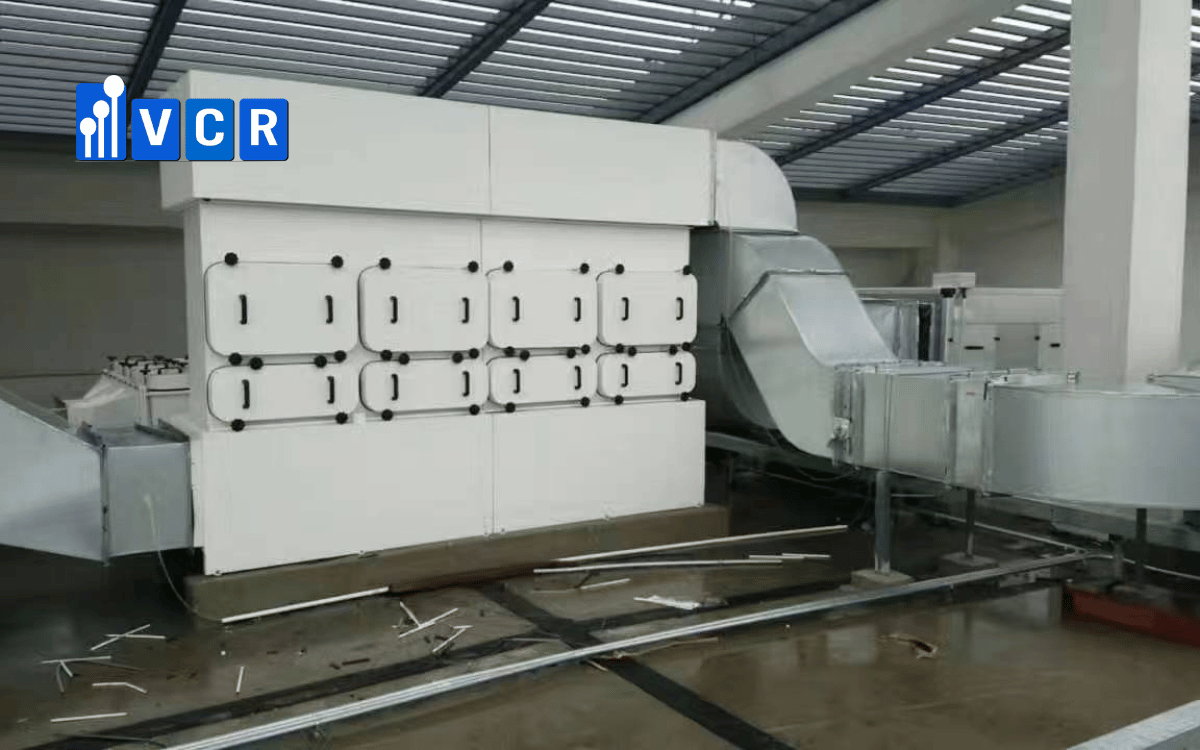
Why Is It Necessary to Compare BIBO and Standard HEPA Housing?
In cleanroom systems, HEPA or ULPA filters are commonly installed in different types of housings to control particles, dust, microorganisms, or airborne contaminants. Because both BIBO and standard HEPA Housing are enclosures or boxes that hold filters, they are easily confused. Many people assume that BIBO is a more advanced type of HEPA Housing, or that using BIBO means better filtration efficiency. This understanding is not accurate.
BIBO does not make a HEPA filter cleaner or more efficient. If HEPA H13 is installed inside, the filter grade remains H13. If HEPA H14 is installed, the filter grade remains H14. The value of BIBO lies in its safe bag-based filter replacement mechanism. This equipment is designed for locations where filters after operation may contain toxic dust, microorganisms, pharmaceutical active ingredients, chemicals, aerosols, or contaminants that need to be controlled during filter removal.
Standard HEPA Housing is suitable for lower-risk locations where filters mainly capture environmental dust or ordinary particles. In these cases, a standard filter replacement procedure, suitable PPE, and proper maintenance handling may be sufficient to control the risk. If BIBO is used for every HEPA location, the project may increase costs, require more space, and complicate operation unnecessarily.
Conversely, if standard HEPA Housing is used in an area where contaminated filters are high risk, the risk may appear during filter replacement. When the operator opens the housing and pulls out the contaminated filter, dust or contaminants on the filter may be released into the maintenance area. The filter replacement operator may be exposed, and the technical area may become secondarily contaminated.
Therefore, comparing BIBO and standard HEPA Housing helps clarify the role of each device. Neither device is better in every situation. The suitable device is the one that matches the risk level of the contaminated filter, installation position, operating requirements, and life-cycle budget of the cleanroom project.
What Is BIBO?
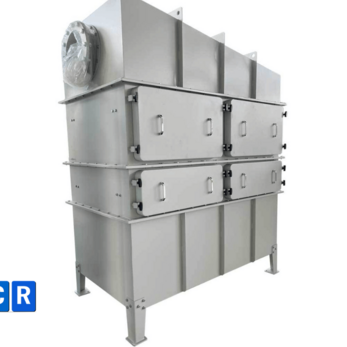
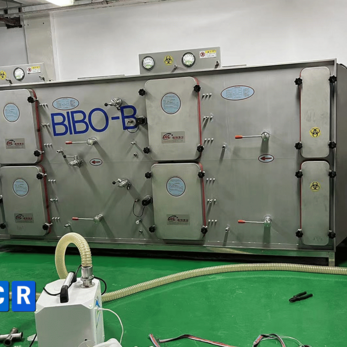
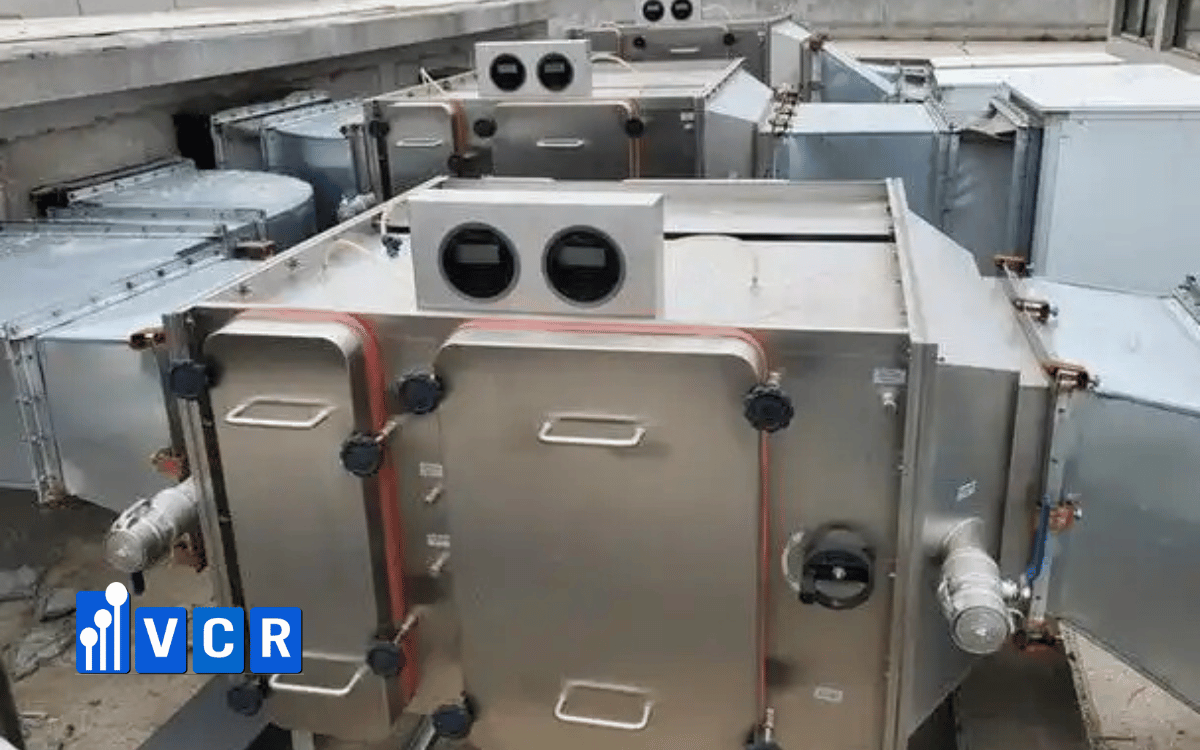
BIBO stands for Bag In Bag Out, meaning a safe bag-based filter replacement system. In cleanroom systems, BIBO is commonly designed as BIBO Filter Housing. This is a filter enclosure or housing with a mechanism that allows a bag to be attached to the housing, the contaminated filter to be removed within the bag, pulled into the bag, sealed, and then taken out.
BIBO is not the HEPA filter itself. HEPA Filter stands for High Efficiency Particulate Air, meaning a high-efficiency air filter. A HEPA filter captures particles in the airflow. BIBO is the housing or system that supports safer filter replacement after the filter has accumulated contaminants during operation.
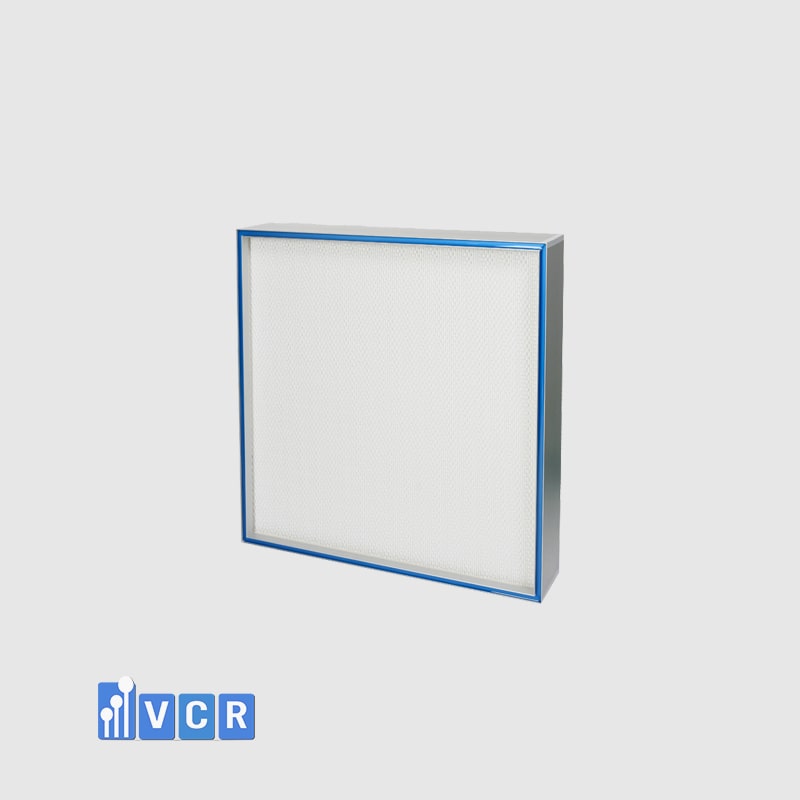
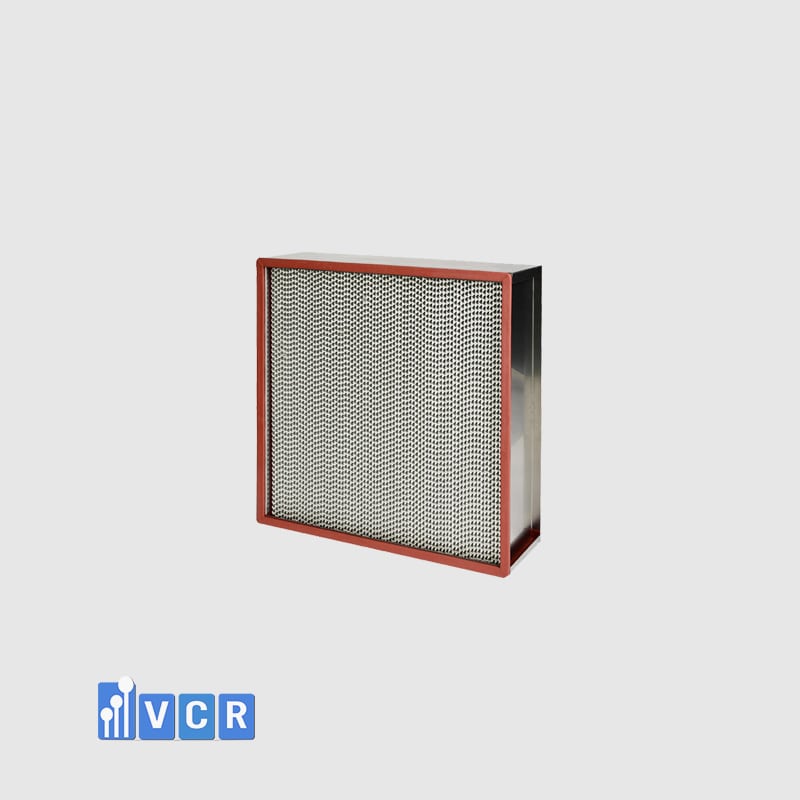
Inside a BIBO system, HEPA filters, ULPA filters, pre-filters, carbon filters, or other filtration stages may be installed depending on the application. ULPA Filter stands for Ultra Low Penetration Air, meaning an air filter with extremely low particle penetration. A pre-filter is a primary or coarse filter. A carbon filter is an activated carbon filter. These filter stages determine the air filtration function, while BIBO determines how the filter is replaced under safer conditions.
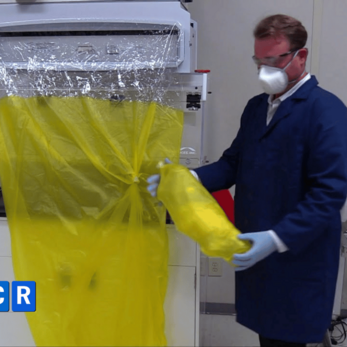
The core feature of BIBO is the Bag In Bag Out mechanism. When filter replacement is required, the operator does not remove the contaminated filter in an open condition. Instead, the BIBO bag is attached to the housing opening. The contaminated filter is handled within the bag, pulled into the bag, sealed, and then separated from the system. This reduces direct contact and limits contaminant release into the surrounding environment.
BIBO is also known by several other names, such as Bag-In/Bag-Out Filter Housing, Safe Change Housing, Safe Change Filter Housing, or Containment Filter Housing. Safe Change Housing means a housing designed for safe filter replacement. Containment Filter Housing means a housing that supports contaminant-release control.
BIBO is commonly used in areas with high-risk contaminated filters, such as exhaust air paths, return air paths, API handling areas, biological laboratories, chemical zones, cytotoxic drug production areas, or HVAC systems serving containment-required areas. Containment means the ability to control contaminants within an acceptable boundary.
What Is Standard HEPA Housing?
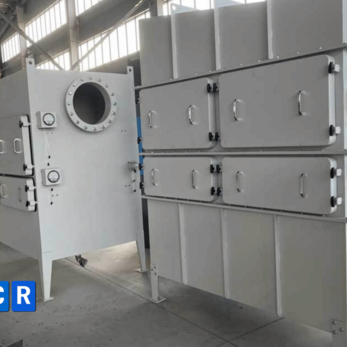
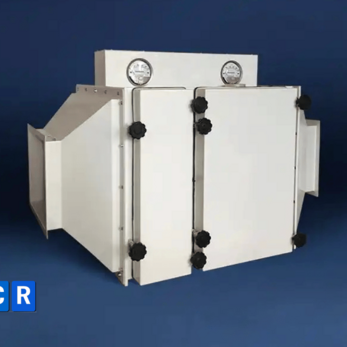
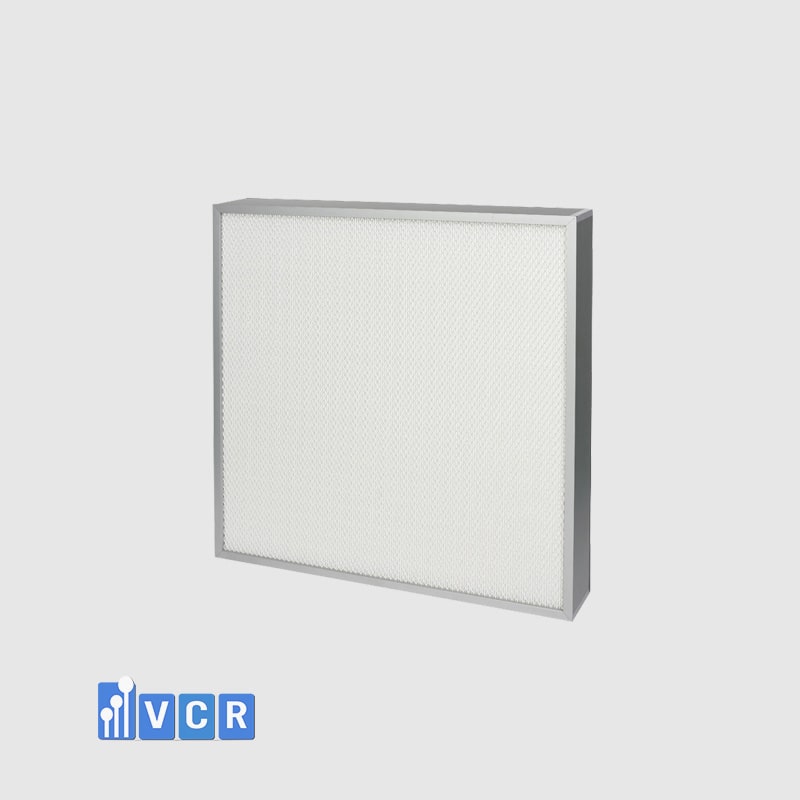
Standard HEPA Housing is an enclosure or box that holds a HEPA filter in a cleanroom system. This equipment holds the filter in the correct position, ensures that air passes through the filter as designed, and supports installation, maintenance, or filter replacement according to standard procedures. HEPA Housing may be used in HVAC systems, AHUs, ductwork, terminal HEPA boxes, or other cleanroom filter sections.
HVAC stands for Heating, Ventilation and Air Conditioning. AHU stands for Air Handling Unit. Ductwork means the air duct system. A terminal HEPA box is a final HEPA filter box, commonly used at the clean air supply point into a cleanroom.
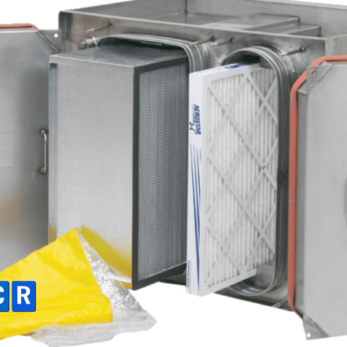
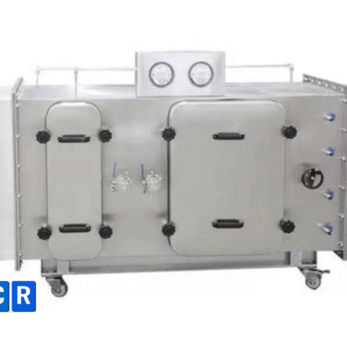
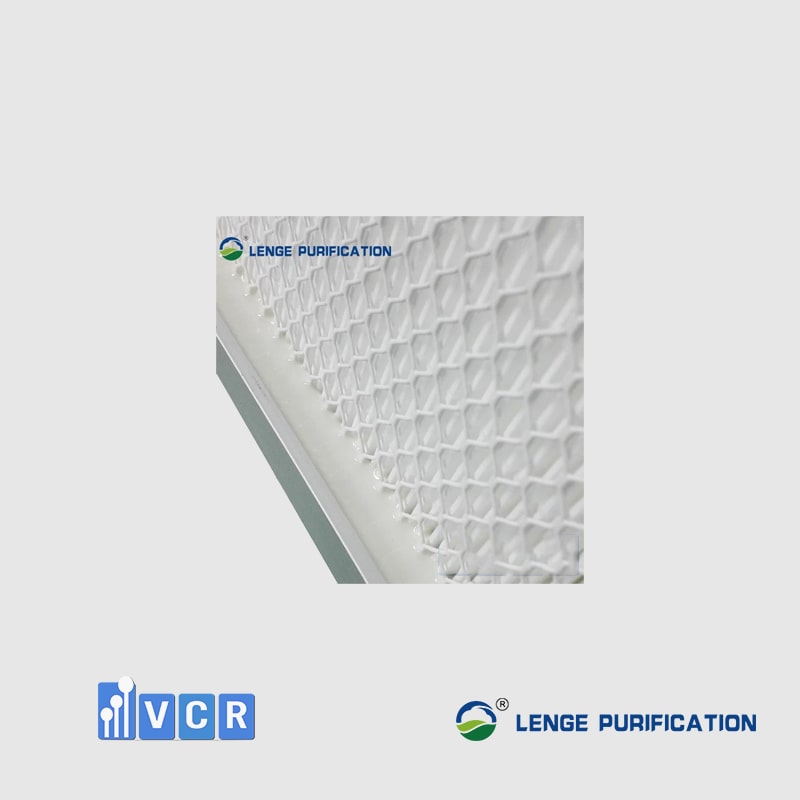
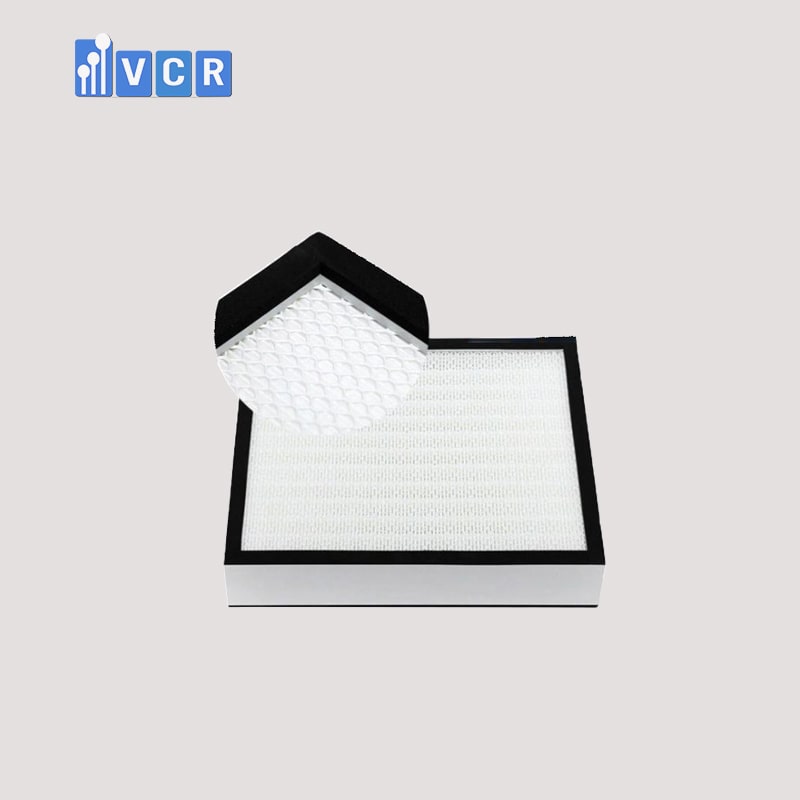
Standard HEPA Housing usually includes a housing body, service door, filter frame, filter compression mechanism, sealing gasket, duct connection, and may include a differential pressure gauge or test port depending on the design. A gasket is a sealing component. Differential pressure means the pressure difference across the filter. These components help the filter sit in the correct position and ensure air passes through the filter rather than around gaps.
The key point is that standard HEPA Housing does not have a sealed bag-based filter replacement mechanism like BIBO. When filter replacement is required, operators usually open the housing door, remove the contaminated filter more directly, and install the new filter according to the maintenance procedure. This method is suitable for locations where the used filter does not contain significant hazardous contaminants.
In low-risk cleanroom systems, standard HEPA Housing is a reasonable choice. For example, in clean air supply paths, terminal HEPA boxes, or ordinary dust filtration points, used filters usually contain mainly environmental dust. If there are no active ingredients, high-risk microorganisms, toxic chemicals, or contaminants requiring containment, standard housing can meet technical and operational requirements effectively.
However, standard HEPA Housing should not be used indiscriminately in locations where contaminated filters may contain high-risk contaminants. If the filter is installed on an exhaust air path from an active ingredient handling area, biological area, or chemical zone, it is necessary to assess whether direct filter removal is safe enough. If not, BIBO may be more suitable.
Similarities Between BIBO and Standard HEPA Housing
The first similarity between BIBO and standard HEPA Housing is that both are devices used to hold filters in cleanroom air systems. Both can be designed to install HEPA filters, ULPA filters, or other filter stages depending on requirements. Both are part of the air control system and must be selected according to airflow volume, pressure, filter size, and installation position.
The second similarity is that both require installation tightness. If the housing leaks, the door does not seal properly, the gasket does not contact correctly, or the filter is installed incorrectly, air may bypass the filter. Bypass means air goes around the filter instead of through it. In that case, even if HEPA or ULPA filters are installed inside, actual filtration performance will be affected.
The third similarity is that both require a suitable gasket, filter frame, and filter compression mechanism. A gasket is a sealing component that helps ensure air passes through the filter face. The filter frame and compression mechanism keep the filter in position during operation. If the filter is misaligned or not compressed tightly, the system may fail to meet particle-control requirements.
The fourth similarity is that both may require differential pressure monitoring. Differential pressure is the pressure difference between the two sides of the filter. As the filter becomes loaded, differential pressure usually increases. Monitoring differential pressure helps the operation team assess filter condition and determine when replacement is needed.
The fifth similarity is that both may require post-installation testing. Depending on project requirements, tightness checks, airflow direction checks, differential pressure checks, HEPA leak testing, or scan testing may be required. HEPA leak testing checks for leakage in the HEPA filter. Scan testing is filter leak scanning.
The important point is that neither BIBO nor standard HEPA Housing determines the filter grade by itself. Filtration efficiency depends on the HEPA or ULPA filter installed inside, installation tightness, and operating conditions. Therefore, these two devices should not be compared by asking “which one filters cleaner.” They should be compared by asking “which one is more suitable for the filter replacement risk at that location.”
Difference in Filter Replacement Principle
The biggest difference between BIBO and standard HEPA Housing lies in the filter replacement principle. With standard HEPA Housing, the operator usually opens the housing door, accesses the filter, and removes it more directly. The contaminated filter is removed using a standard maintenance procedure, and then a new filter is installed.
This filter replacement method is suitable for low-risk locations. If the filter mainly contains environmental dust, has no hazardous contaminants, and does not require special containment, standard filter replacement may be sufficient. Operators still need suitable PPE and must follow the SOP, but they do not need a more complex bag-based mechanism such as BIBO.
With BIBO, the filter replacement principle is clearly different. Before removing the filter, the operator attaches a BIBO bag to the housing opening. Then the service door is opened within the bag, the contaminated filter is released and pulled into the bag. Once the filter is inside the bag, the bag is sealed and only then separated from the housing. As a result, the contaminated filter is not exposed to the external environment in an open condition.
BIBO is called Bag In Bag Out because the entire filter replacement operation centers on a safety bag. “Bag In” may be understood as bringing a bag or filter into a safe handling process. “Bag Out” means removing the contaminated filter inside a sealed bag. This name reflects the core nature of the equipment: filter replacement using a method that better controls contaminant release.
This difference is especially important when the contaminated filter may contain toxic dust, microorganisms, pharmaceutical active ingredients, chemicals, or aerosols. Aerosols are airborne droplets or particles suspended in air. If the filter is removed directly, these contaminants may be disturbed and released into the maintenance area. With BIBO, the operation remains within the bag, helping reduce risk.
Therefore, the replacement principle of standard HEPA Housing is standard filter replacement, while the replacement principle of BIBO is controlled bag-based filter replacement. This is the most important distinction between the two housing types.
Difference in Contaminant Release Control
Standard HEPA Housing can effectively support filtration during operation if it is designed and installed correctly. However, release control during filter replacement depends heavily on the procedure, PPE, and the nature of the contaminated filter. If the filter only contains low-risk environmental dust, this level of control may be sufficient.
But if the contaminated filter may contain toxic dust, microorganisms, pharmaceutical active ingredients, chemicals, or aerosols, direct filter removal may create risk. When the housing is opened and the filter is pulled out, dust or contaminants on the filter may fall, become airborne, or settle on gloves, garments, tools, and surrounding surfaces. In that situation, the maintenance area may become a secondary contamination point.
BIBO is designed to reduce this risk. The BIBO bag creates a physical barrier between the contaminated filter and the external environment. The operator pulls the filter into the bag, seals the bag, and only then removes the filter from the housing. This mechanism reduces direct contact and limits the chance of contaminants falling into the maintenance area.
This is why BIBO supports containment. Containment means the ability to control contaminants within an acceptable boundary. In the context of filter replacement, containment does not mean eliminating risk completely. It means reducing the chance that contaminants on the used filter are released during removal and internal transport.
However, BIBO does not automatically guarantee absolute safety. If the bag is incorrectly sized, torn, poorly clamped, or incorrectly handled, release control will decrease. BIBO also does not replace PPE, SOP, or decontamination when required. It is only one engineering control layer that must be combined with procedure and training.
In summary, standard HEPA Housing is suitable when release risk during filter replacement is low. BIBO is more suitable when release reduction is needed during contaminated filter removal, especially in pharmaceutical, biological, chemical, and high-risk exhaust air systems.
Difference in Cleanroom Application Locations
Standard HEPA Housing is usually used in low- to medium-risk locations where filters mainly capture environmental dust and do not accumulate significant hazardous contaminants. Common locations include clean air supply paths, terminal HEPA boxes, standard HVAC filtration systems, or filter points that do not require safe bag-based filter replacement.
In clean air supply paths, the filter usually ensures the cleanliness level of the cleanroom. If the supply air has already been treated through upstream filtration stages and does not carry active ingredients, high-risk microorganisms, or toxic chemicals, standard HEPA Housing is a suitable option. It is simpler, easier to install, and less costly than BIBO.
BIBO is usually more suitable for higher-risk locations, especially exhaust air and return air paths from areas containing contaminants. Exhaust air means air extracted from an operation area. Return air means air sent back to the air handling system. If these airflows pass through API areas, biological rooms, chemical zones, or high-risk product manufacturing areas, the filter may accumulate hazardous contaminants.
BIBO may also be installed in AHUs or ductwork if the AHU or duct system serves a high-risk area. AHU stands for Air Handling Unit. Ductwork means the air duct system. When installing BIBO in these locations, service space, door-opening direction, used-filter movement route, and qualification capability must be considered.
In pharmaceutical factories, BIBO is often considered in API handling areas, high-risk raw material weighing rooms, cytotoxic drug production areas, exhaust air paths, or return air paths that may contain active ingredient dust. In biological laboratories, BIBO may be installed on exhaust air paths with HEPA filters capturing biological aerosols. In chemical applications, BIBO may be used in chemical dust filtration systems or high-risk material handling areas.
Therefore, the application locations of the two housing types differ according to airflow risk and contaminated filter risk. Standard HEPA Housing is suitable for clean air supply and low-risk locations. BIBO is suitable for exhaust air, return air, or areas where the contaminated filter must be replaced using a safety bag.
Difference in the Risk Level of the Contaminated Filter
When choosing between BIBO and standard HEPA Housing, the most important factor is the risk level of the filter after operation. A new filter may be clean and safe when first installed. But after a period of operation, it may become the place where dust, particles, microorganisms, active ingredients, chemicals, or other contaminants accumulate. The risk that must be assessed is the risk of the used filter, not just the new filter.
If the contaminated filter only contains ordinary environmental dust, replacement risk is usually lower. In this case, standard HEPA Housing may be sufficient. Operators can replace the filter according to a standard maintenance SOP, use suitable PPE, and handle the used filter as ordinary used material if the risk assessment allows.
If the contaminated filter may contain pharmaceutical active ingredients, microorganisms, chemical dust, cytotoxic drugs, aerosols, or high-risk materials, replacement risk increases significantly. During direct filter removal, operators may be exposed and the maintenance area may become contaminated. In this case, BIBO should be considered.
Risk assessment is the process of evaluating risk. This assessment should consider the airflow passing through the filter, contaminant type, filter location, replacement frequency, replacement personnel, used-filter disposal plan, and containment requirements. If the used filter is classified as hazardous waste, biological waste, or waste containing high-risk active ingredients, direct filter removal is usually not the best option.
A simple example is that a HEPA filter on a clean air supply path and a HEPA filter on an exhaust air path from an API area may both be H14 grade. But the risks of the two used filters after operation are very different. The supply air filter may mainly contain environmental dust. The exhaust filter from the API area may contain active ingredient dust. Therefore, the suitable housing type may also be different.
Thus, the choice between BIBO and standard HEPA Housing should not be based only on filter grade. It should be based on what the filter will accumulate after operation and the risk when that filter is removed from the system.
Difference in Equipment Structure
Standard HEPA Housing usually has a simpler structure than BIBO. Basic components include the housing body, service door, filter frame, sealing gasket, filter compression mechanism, duct connection, and possibly a differential pressure gauge or test port depending on the design. These components serve the main purpose of holding the filter in the correct position and ensuring airflow passes through the filter.
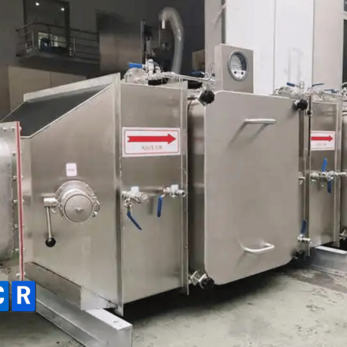
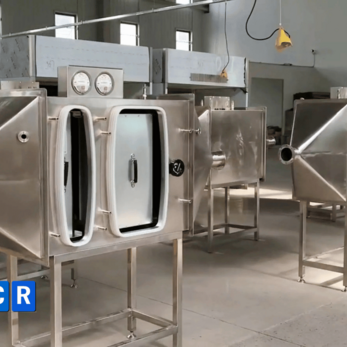
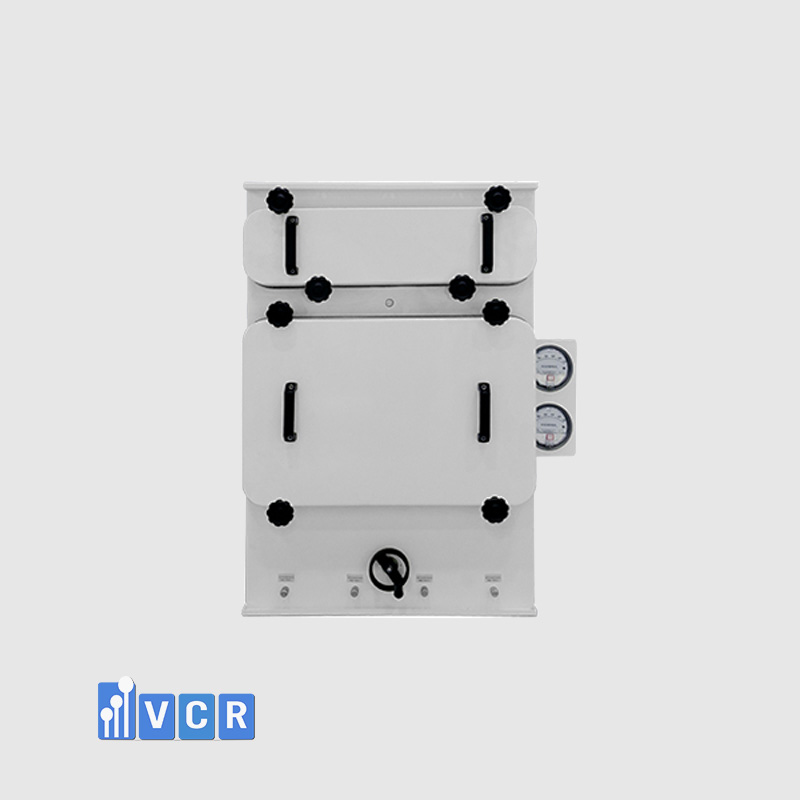
BIBO has similar components to standard housing, but also includes additional parts to support the Bag In Bag Out principle. These include the bag attachment opening, BIBO bag, bag clamping ring, bag-out operation mechanism, and design features that support bag sealing. Thanks to these components, the operator can remove the contaminated filter within the bag instead of removing it directly.
The bag attachment opening is a defining feature of BIBO. This is where the BIBO bag is attached to the housing before filter replacement. The bag clamping ring or clamping mechanism holds the bag securely at the housing opening. If this mechanism is not secure, the bag may detach or gaps may appear during filter removal. In that case, containment performance is affected.
The BIBO bag is also an important operating component. The bag must be correctly sized, strong enough, and suitable for the contaminant. If the bag is too thin, torn, or not suitable for the filter size, filter replacement may create risk. Therefore, in BIBO, the bag should not be treated as a secondary accessory, but as the central component of the operating principle.
The filter lock, gasket, and service door of BIBO must also be designed so the operator can work within the bag. This means the equipment must not only be sealed during operation but also practical during filter replacement. A BIBO system with the correct structure but poor serviceability in practice may still fail to meet the safety objective.
In summary, the additional structure of BIBO serves the goal of safer filter replacement, not higher filter grade. Standard HEPA Housing focuses on holding the filter and ensuring the air path. BIBO holds the filter and also supports the bag-out procedure when the contaminated filter must be removed under better-controlled conditions.
Difference in Maintenance Space Requirements
BIBO requires more maintenance space than standard HEPA Housing. The reason is that BIBO filter replacement does not only involve opening the door and pulling out the filter. The operator must attach the bag, open the door within the bag, release the filter, pull the filter into the bag, seal the bag, and remove the bag containing the contaminated filter. Each step requires suitable working clearance.
Standard HEPA Housing is usually simpler in terms of maintenance space. If the filter is low risk, the operator can open the housing door and replace the filter according to a standard procedure. Although sufficient space is still required for safe handling, the requirement is generally lower than for BIBO because there is no bag attachment, filter pulling inside a bag, or bag sealing step.
If BIBO is installed in a location that is too cramped, too high, too close to a wall, or blocked by ductwork and other equipment, the Bag In Bag Out principle may be difficult to perform correctly. The operator may not be able to attach the bag tightly, pull the filter into the bag smoothly, or may tear the bag during handling. In that case, even if the equipment configuration is correct, safety performance is reduced.
Therefore, BIBO must be considered from the layout design stage. When arranging BIBO in a technical room, AHU, or ductwork, enough clearance should be provided in front of the service door, along with enough space for the bag length, filter size, and movement route of the contaminated filter bag after bag-out.
Maintenance space also affects qualification. If the qualification team cannot perform simulated filter replacement due to insufficient space, the system is not truly ready for operation. With BIBO, checking service space is just as important as checking housing dimensions.
Therefore, standard HEPA Housing has advantages in limited-space and low-risk locations. BIBO is more suitable for high-risk locations but must be arranged with enough space to operate according to its principle.
Difference in SOP, PPE, and Operator Training
SOP, PPE, and training are important factors when comparing BIBO with standard HEPA Housing. SOP stands for Standard Operating Procedure. PPE stands for Personal Protective Equipment. Both housing types require suitable SOP and PPE, but the level of detail differs depending on the risk.
For standard HEPA Housing in low-risk areas, the filter replacement SOP is usually simpler. The procedure may include stopping the system if needed, opening the housing, removing the filter, cleaning the area, installing the new filter, checking differential pressure, and recording the activity. Operators still need suitable PPE, but the requirement is usually less complex than in high-risk filter locations.
For BIBO, the SOP must be more detailed. It must describe how to inspect the bag, attach the bag to the housing, open the door within the bag, remove the contaminated filter, pull the filter into the bag, seal the bag, separate the contaminated filter bag, dispose of the used filter, install the new filter, inspect after replacement, and respond to incidents such as bag tearing or incorrect handling.
PPE for BIBO must also be defined according to the contaminant type. BIBO reduces release risk but does not replace PPE. If the contaminated filter may contain active ingredients, microorganisms, or hazardous chemicals, operators still need appropriate protective equipment. BIBO is an engineering control layer, while PPE is personal protection.
Operator training for BIBO is also more important. Filter replacement personnel must understand the Bag In Bag Out principle, know how to handle the bag, know how to seal the bag, and know how to dispose of used filters. If operators are trained only for standard filter replacement, they may perform the process incorrectly and reduce containment effectiveness.
Therefore, BIBO requires stricter procedures and training than standard HEPA Housing. However, this is necessary if the filter location is high risk. Conversely, for low-risk locations, standard HEPA Housing can keep operation simpler while still meeting safety requirements.
Difference in Qualification and Post-Installation Testing
Qualification of standard HEPA Housing usually focuses on appearance, dimensions, material, installation position, tightness, airflow direction, differential pressure, correct filter installation, and HEPA-related tests if required by the project. If the system requires HEPA leak testing or scan testing, these tests are performed to confirm that the filter and filter seat do not leak.
With BIBO, in addition to all the above items, qualification must also check whether the Bag In Bag Out principle can actually be performed. This means checking the bag attachment opening, BIBO bag, bag clamping mechanism, ability to open the door within the bag, ability to remove the filter, pull it into the bag, seal the bag, and remove the bag containing the contaminated filter.
HEPA leak testing checks for leakage in the HEPA filter. Scan testing is filter leak scanning. DOP/PAO testing uses test aerosol. These tests may apply to both BIBO and standard HEPA Housing if required by the project. However, for BIBO, filter testing alone is not enough. The equipment must also prove that bag-based filter replacement can be performed under real conditions.
Simulated filter replacement is a very important part of BIBO qualification. The qualification team should check whether the operator has enough space to attach the bag, open the door, remove the filter, pull the filter into the bag, seal the bag, and remove it. If the simulated operation is already difficult, real replacement with a contaminated filter will carry higher risk.
For standard HEPA Housing, simulated filter replacement may be simpler because there is no bag-out step. However, accessibility and safe replacement should still be checked. Housing should not be placed where operators cannot perform the procedure correctly.
BIBO qualification documentation should also be more detailed. In addition to drawings, specifications, filter certificates, and test results, it should include bag-based filter replacement instructions, used-filter handling instructions, recommended bag materials, and records of operational simulation. This ensures that BIBO is not only installed correctly but can also be operated correctly.
Difference in Investment Cost and Operating Cost
BIBO usually has a higher investment cost than standard HEPA Housing. This is because BIBO has a more complex structure, including a bag attachment opening, bag clamping mechanism, replacement bags, a bag-out support mechanism, and design features for safe filter replacement. In addition to equipment cost, BIBO may also increase layout design costs because more maintenance space is required.
The operating cost of BIBO may also be higher. The facility needs suitable BIBO bags, operator training, detailed SOPs, complete documentation, and used-filter handling according to requirements. If the contaminated filter is classified as hazardous waste, post-replacement disposal costs must also be included in life-cycle budgeting.
Standard HEPA Housing usually has lower investment cost and simpler operation. For low-risk locations, it is a reasonable choice because it satisfies requirements for filter holding, air filtration, and standard maintenance without making the system more complex than necessary.
However, equipment purchase price should not be the only comparison point. If the filter location is high risk, the cost of BIBO may be justified because it helps reduce exposure, release, and secondary contamination risks. A contaminant release incident during filter replacement may cause much greater damage than the difference in equipment cost.
Conversely, if the filter location is low risk, using BIBO may not be an optimized investment. The project would pay additional costs for equipment, bags, space, qualification, and training without receiving proportional safety value. Therefore, the decision should be based on risk assessment, not on the assumption that more expensive equipment is always better.
The correct way to compare is to consider total life-cycle cost together with actual risk. For high-risk areas, BIBO may be worth the investment. For low-risk areas, standard HEPA Housing may be more optimal.
Comparison Table: BIBO vs. Standard HEPA Housing
|
Criteria |
BIBO – Bag In Bag Out |
Standard HEPA Housing |
|
Equipment nature |
Housing with a safe bag-based filter replacement mechanism |
Standard filter housing |
|
Main objective |
Safer contaminated filter replacement |
Holding and installing filters in the air system |
|
Filter grade |
Depends on the HEPA/ULPA filter installed inside |
Depends on the HEPA/ULPA filter installed inside |
|
Replacement method |
Handling through a bag; bag-out of contaminated filter |
Opening housing and removing filter more directly |
|
Containment capability |
Higher during filter replacement |
Depends on SOP, PPE, and risk level |
|
Suitable applications |
Exhaust air, return air, API, biological, chemical, high-risk areas |
Clean air supply, terminal HEPA boxes, ordinary dust filtration |
|
Maintenance space |
Requires more space for bag attachment, filter removal, and bag sealing |
Usually requires less space |
|
Investment cost |
Usually higher |
Usually lower |
|
Operating cost |
Additional BIBO bags, training, and used-filter disposal |
Simpler if risk is low |
|
SOP and training |
Requires more detailed procedures |
Simpler if risk is low |
|
Qualification |
Requires bag-out capability and simulated replacement checks |
Focuses on tightness, filter installation, and filter testing |
|
Suitable filter risk |
Used filter may contain hazardous contaminants |
Used filter mainly contains ordinary dust |
The table shows that BIBO and standard HEPA Housing should not be compared as if one device is always better than the other. These two devices serve different risk groups. BIBO is suitable for contaminated filters that may release hazardous contaminants during replacement. Standard HEPA Housing is suitable for lower-risk filter locations.
The filter grade is not determined by BIBO or standard housing, but by the HEPA or ULPA filter installed inside. If both systems use HEPA H14 and are correctly sealed, filtration performance during operation depends on the filter and sealing. The main difference appears when filter replacement is required.
For areas such as API, biology, chemicals, or high-risk exhaust air, BIBO provides better control during contaminated filter removal. For standard clean air supply, terminal HEPA boxes, or systems that handle only environmental dust, standard HEPA Housing may provide better cost and operational efficiency.
When Should BIBO Be Selected Instead of Standard HEPA Housing?
BIBO should be selected instead of standard HEPA Housing when the filter after operation may contain hazardous contaminants and direct filter removal may cause release or exposure. This is the most important principle when choosing the equipment.
A typical case is an area handling pharmaceutical API. API stands for Active Pharmaceutical Ingredient. If the filter is installed on an exhaust air or return air path from an API handling area, the contaminated filter may contain active ingredient dust. In this case, BIBO places the used filter into a sealed bag before removal, reducing API dust release.
BIBO should also be considered in biological laboratories or areas involving microorganisms or biological aerosols. If the filter may retain biological agents, direct filter removal may create risk for maintenance personnel and the technical area. In some cases, BIBO must also be combined with decontamination and biological waste handling.
In chemical applications, BIBO is suitable when the filter may contain chemical dust, toxic particles, or high-risk materials. However, if the main risk is toxic gas or chemical vapor, a specialized gas treatment system is needed; BIBO only supports safer filter replacement.
BIBO is also suitable when the used filter is classified as hazardous waste. If the filter after operation must be packaged, labeled, and handled according to special requirements, the bag-out mechanism helps better control the initial filter removal step.
In addition, BIBO should be selected when filter replacement personnel may be exposed or when the maintenance area may become secondarily contaminated if standard housing is used. This decision should be based on risk assessment rather than only the room name or cleanliness class.
In short, BIBO is suitable for exhaust air, return air, or filtration systems serving high-risk areas. When the contaminated filter needs to be removed from the system in a sealed bag to reduce release, BIBO is a solution worth considering.
When Should Standard HEPA Housing Be Selected?
Standard HEPA Housing should be selected when the filter location is low risk, the used filter mainly contains environmental dust or ordinary particles, and standard filter replacement procedures are safe enough. In such cases, using BIBO may increase cost and complexity unnecessarily.
A common application of standard HEPA Housing is the clean air supply path. If the supply air has been treated through the HVAC system and does not carry hazardous contaminants, the final HEPA filter usually captures only remaining particles in the supply airflow. During replacement, a standard maintenance procedure can control the risk.
Terminal HEPA boxes also commonly use standard HEPA Housing. These are final clean air supply points into cleanrooms and are often used to maintain the cleanliness level of production areas. If there is no risk that the filter contains active ingredients, high-risk microorganisms, or chemicals, standard housing is a reasonable choice.
Standard HEPA Housing is also suitable for ordinary dust filtration systems or low-risk cleanroom areas. It has the advantages of simpler structure, easier operation, lower maintenance space requirements, and lower cost compared with BIBO.
However, selecting standard HEPA Housing does not mean accepting low quality. If the housing is correctly designed, tightly installed, uses a suitable HEPA/ULPA filter, and is tested according to requirements, it can perform well in cleanroom air filtration.
The important point is not to use standard housing in locations where the contaminated filter is high risk. If the filter may contain hazardous contaminants, the filter replacement method must be reassessed. Standard HEPA Housing is optimal when the risk is low, but it is not optimal for every location in a cleanroom system.
Common Mistakes When Choosing BIBO or HEPA Housing
The first mistake is thinking that BIBO filters better than standard HEPA Housing. In reality, BIBO does not increase filtration efficiency. Filtration efficiency depends on the HEPA or ULPA filter installed inside, sealing, and operating conditions. BIBO only makes filter replacement safer.
The second mistake is using BIBO for every HEPA location. This may increase cost, space requirements, and operational complexity unnecessarily. BIBO should be used where filter replacement risk exists, not at every location with a HEPA filter.
The third mistake is choosing standard HEPA Housing for a high-risk contaminated filter area. This is a more serious mistake. If the contaminated filter may contain active ingredients, microorganisms, chemicals, or toxic dust, direct replacement may cause release and exposure.
The fourth mistake is not assessing the risk of the filter after operation. Many people only consider the new filter or filter grade and forget that after use, the filter may become a risk source. The housing decision should be based on the used-filter condition.
The fifth mistake is not allowing enough service space for BIBO. If BIBO is installed in a cramped location, the operator may have difficulty attaching the bag, pulling the filter, and sealing the bag. In that case, the Bag In Bag Out principle cannot be performed correctly.
The sixth mistake is ignoring SOP, PPE, and training. BIBO is not automatically safe if operators are not trained. Standard housing is also unsafe if maintenance is performed incorrectly.
The final mistake is not performing simulated filter replacement. With BIBO, simulated replacement helps identify problems with space, door-opening direction, and bag handling before real filter replacement. The right equipment is the one that matches the risk, installation location, and actual operating procedure.
Criteria for Selecting the Right Equipment for a Cleanroom Project
The first criterion for choosing between BIBO and standard HEPA Housing is the type of airflow. If it is low-risk clean air supply, standard HEPA Housing may be suitable. If it is exhaust air or return air from a high-risk area, BIBO should be considered.
The second criterion is contaminant type. If the filter may contain active ingredient dust, microorganisms, aerosols, chemical dust, or high-risk materials, the filter replacement method must be safer. If the filter only contains environmental dust, standard housing may be sufficient.
The third criterion is the risk of the used filter. It is necessary to assess whether the filter after operation is considered hazardous waste, biological waste, or waste containing active ingredients. If so, BIBO is often more suitable because it supports initial packaging in a sealed bag.
The fourth criterion is GMP, biosafety, and containment requirements. GMP stands for Good Manufacturing Practice. Biosafety means biological safety. If the project has high containment requirements, BIBO should be considered at relevant filter points.
The fifth criterion is HEPA/ULPA filter grade, airflow volume, and system pressure. Whether BIBO or standard housing is selected, the equipment must still match the filter, airflow rate, pressure, dimensions, and leak-testing requirements.
The sixth criterion is maintenance space. BIBO requires more space for bag attachment and filter removal. If space is insufficient, the layout should be adjusted or another installation location should be considered.
The seventh criterion is filter replacement SOP and used-filter disposal. If the facility is not yet ready to operate BIBO correctly, training and procedures should be prepared before the equipment is put into service.
The final criterion is life-cycle budget. The decision should not be based only on initial equipment cost. BIBO bags, operation, inspection, training, used-filter disposal, and the risk of choosing the wrong equipment should all be considered.
As a cleanroom equipment supplier for cleanroom contractors, VCR Cleanroom Equipment can support consultation on selecting BIBO or standard HEPA Housing for each location in HVAC systems, AHUs, ductwork, exhaust air, return air, or clean air supply, based on actual risk and project qualification criteria.
FAQ – Frequently Asked Questions About BIBO vs. Standard HEPA Housing
Question: What is the main difference between BIBO and standard HEPA Housing?
The main difference is the filter replacement mechanism. BIBO uses a safety bag to remove contaminated filters more safely, while standard HEPA Housing usually allows more direct filter removal according to a standard procedure.
Question: Does BIBO filter cleaner than standard HEPA Housing?
No. BIBO does not increase filtration efficiency. Filtration efficiency depends on the HEPA or ULPA filter installed inside, installation tightness, and operating conditions.
Question: Can standard HEPA Housing be used in GMP cleanrooms?
Yes. Standard HEPA Housing can be used in GMP cleanrooms if the filter location is low risk, the used filter does not contain significant hazardous contaminants, and standard filter replacement is safe enough.
Question: When should BIBO be selected?
BIBO should be selected when the used filter may contain toxic dust, pharmaceutical active ingredients, microorganisms, aerosols, chemicals, cytotoxic drugs, or hazardous waste requiring safe bag-based replacement.
Question: When should standard HEPA Housing be selected?
Standard HEPA Housing should be selected for clean air supply paths, terminal HEPA boxes, ordinary dust filtration systems, or low-risk areas without special containment requirements.
Question: Does BIBO replace a HEPA Filter?
No. BIBO does not replace a HEPA Filter. BIBO is a housing or bag-based filter replacement system. A HEPA Filter is a high-efficiency air filter installed inside.
Question: Is BIBO mandatory for every HEPA system?
No. BIBO is not mandatory for every HEPA system. It should only be used when the contaminated filter has release or exposure risk during direct replacement.
Question: Is BIBO usually used for exhaust air or supply air?
BIBO is more commonly considered for exhaust air or return air from high-risk areas. For standard clean air supply, standard HEPA Housing is usually more suitable.
Question: Can standard HEPA Housing control contaminant release?
Standard HEPA Housing may be suitable if the filter is low risk. However, if the contaminated filter contains hazardous contaminants, release control during direct replacement is more limited than with BIBO.
Question: Does BIBO require PPE and SOP?
Yes. BIBO does not replace PPE or SOP. Operators still need suitable personal protective equipment and a standard operating procedure to replace filters safely.
Question: How is BIBO qualification different from standard HEPA Housing qualification?
BIBO qualification includes not only tightness, filter installation, and filter-related tests, but also the bag attachment opening, BIBO bag, bag clamp, and simulated filter replacement operation.
Question: What should contractors consider when advising on BIBO or HEPA Housing?
Contractors should evaluate airflow type, filter location, contaminant type, used-filter risk, containment requirements, maintenance space, filter replacement SOP, and used-filter disposal plan.
Conclusion: BIBO and Standard HEPA Housing Mainly Differ in Risk Control During Filter Replacement
BIBO and standard HEPA Housing can both be used to hold HEPA or ULPA filters in cleanroom systems. However, these two devices serve different risk levels. Standard HEPA Housing is suitable for low-risk locations where the used filter mainly contains ordinary dust and standard replacement procedures are safe enough. BIBO is suitable when the used filter may contain hazardous contaminants and needs to be replaced using a safety bag.
BIBO does not increase HEPA filtration efficiency, does not replace the filter, and does not automatically ensure safety if operated incorrectly. The main value of BIBO is safer filter replacement, reduced contaminant release, and reduced direct contact when the used filter leaves the system.
Therefore, the decision to choose BIBO or standard HEPA Housing should be based on risk assessment, installation position, airflow characteristics, containment requirements, filter replacement procedure, maintenance space, and used-filter disposal plan. Choosing the correct equipment helps the cleanroom system remain safe, effective, and cost-optimized over long-term operation.
Hai VCR