- Why Is It Necessary to Identify Mistakes When Selecting and Installing BIBO Systems?
- Misunderstanding BIBO as a HEPA Filter Instead of Safe-Change Filter Housing
- Selecting BIBO Only Because It Seems “Advanced” Without Risk Assessment
- Not Assessing the Risk of the Filter After Operation
- Selecting the Wrong Installation Location in HVAC, AHU, or Ductwork
- Not Allowing Enough Space for Bag-Based Filter Replacement
- Selecting the Wrong BIBO Size for Airflow, Filter, and Ductwork
- Focusing Only on HEPA Filter Grade While Ignoring Housing Tightness
- Selecting a BIBO Bag Unsuitable for the Filter and Contaminant
- Bag Clamping Mechanism Is Not Secure or Difficult to Operate
- Service Door, Filter Lock, and Filter Compression Mechanism Are Difficult to Use
- Not Providing Suitable Differential Pressure Gauges or Monitoring Points
- Missing Test Ports or Test Ports That Are Difficult to Access
- Not Performing Simulated Filter Replacement Before Qualification
- Lacking a Clear BIBO Filter Replacement SOP
- Not Training Operators and Not Preparing Suitable PPE
- No Used-Filter Handling Plan After Bag-Out
- Missing Technical Documentation, Qualification Records, and GMP Traceability
- Not Planning Periodic Maintenance for BIBO
- Summary Table of Common Mistakes and Prevention Methods
- Checklist Before Finalizing BIBO Selection and Installation
- FAQ – Frequently Asked Questions About BIBO Selection and Installation Mistakes
- Conclusion: Most BIBO Mistakes Come From Underestimating Filter Replacement Risk
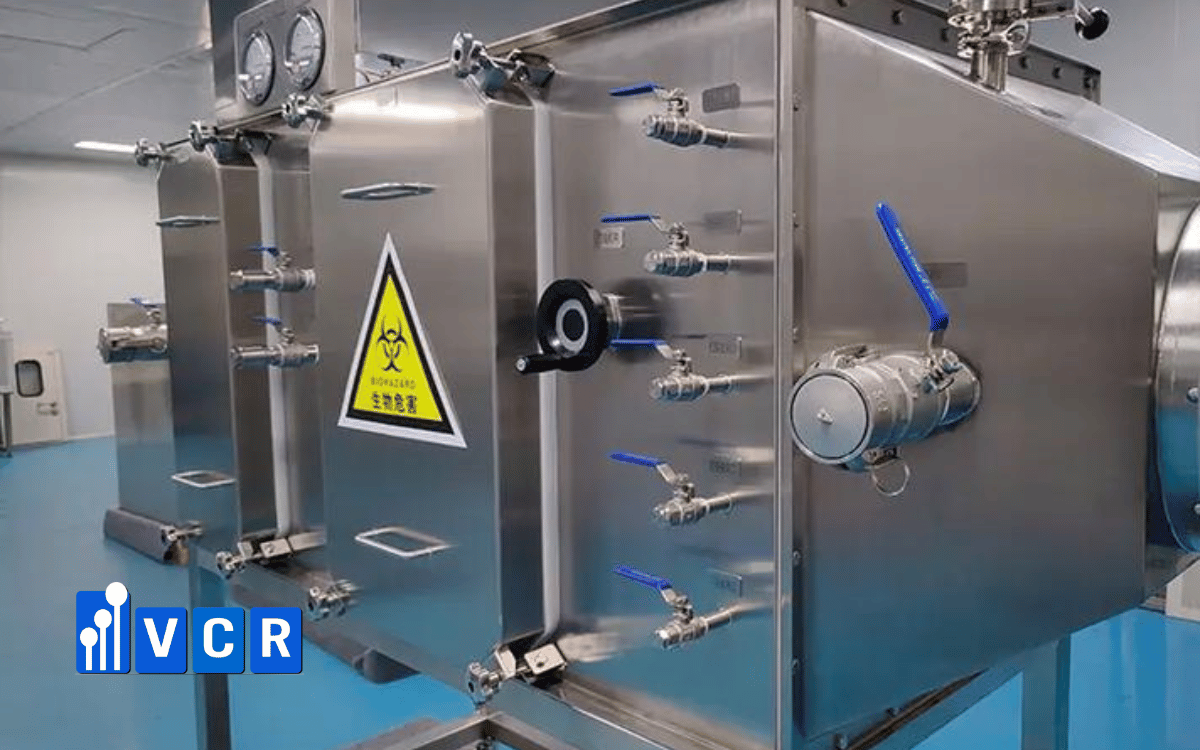
BIBO – Bag In Bag Out systems are used in cleanrooms to support safe bag-based replacement of contaminated filters, especially in areas where there is a risk of releasing active ingredient dust, microorganisms, chemicals, aerosols, or high-risk contaminants. BIBO is not simply a HEPA filter box. It is a risk-control solution for the maintenance stage, when a used filter must be removed from the system while limiting contaminant release into the surrounding environment.
However, in real cleanroom projects, BIBO may fail to achieve its intended performance if the configuration is selected incorrectly, the installation location is unsuitable, service space is insufficient, the bag is inappropriate, or the operating SOP is unclear. Many problems do not appear immediately after installation. They only become visible when the filter actually needs replacement. At that point, the filter is already contaminated, release risk is higher, and correction becomes more difficult and costly.
Therefore, identifying common mistakes when selecting and installing BIBO systems is important for contractors, investors, and operation teams to control risks from the design stage. A suitable BIBO system does not only need the correct filter grade and dimensions. It must also be installed in the right location, match the actual risk, use the correct bag, provide enough maintenance space, support qualification, and allow safe filter replacement under real operating conditions.
Why Is It Necessary to Identify Mistakes When Selecting and Installing BIBO Systems?
BIBO is often considered a safe filter replacement device in cleanroom systems, but its actual effectiveness depends greatly on how it is selected, installed, qualified, and operated. If BIBO is understood only as a premium filter box, designers may overlook key factors such as contaminated filter risk, replacement space, BIBO bag, bag clamping mechanism, SOP, and used-filter disposal plan.
In cleanrooms, especially GMP cleanrooms, a BIBO-related mistake is not merely a mechanical error. GMP stands for Good Manufacturing Practice. When BIBO is used in areas involving pharmaceutical active ingredients, microorganisms, chemicals, or high-risk contaminants, selection and installation mistakes may affect operator safety, contamination control, and HVAC system stability.
HVAC stands for Heating, Ventilation and Air Conditioning. AHU stands for Air Handling Unit. Ductwork means the air duct system. BIBO is usually installed in or near these systems, so if the location is wrong or maintenance access is not considered, the equipment may create difficulties in both operation and qualification.
Identifying mistakes early helps projects avoid two extremes. The first is using BIBO where it is not necessary, increasing investment cost, space requirements, and operational complexity. The second is not using BIBO where it is needed, forcing high-risk contaminated filters to be removed by a more direct method and increasing release risk.
Therefore, this article does not only list mistakes. It also revisits the nature of BIBO: a device designed to control risk during contaminated filter replacement. When this nature is correctly understood, contractors and operation teams can select, arrange, and qualify BIBO more closely according to real operating conditions.
Misunderstanding BIBO as a HEPA Filter Instead of Safe-Change Filter Housing
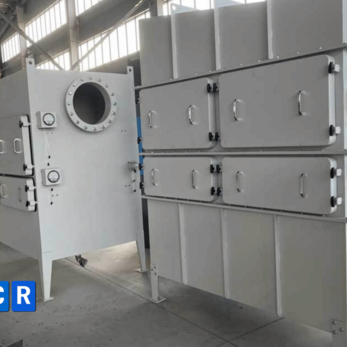
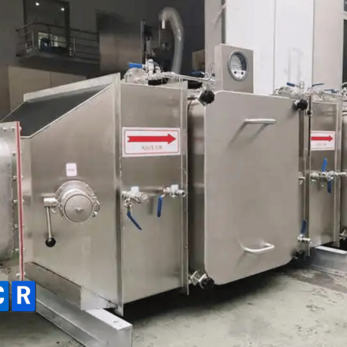
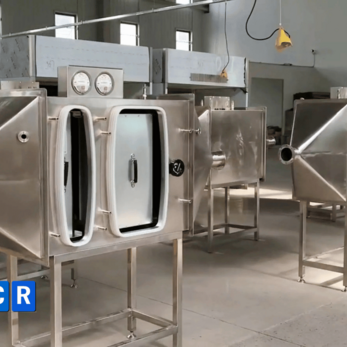
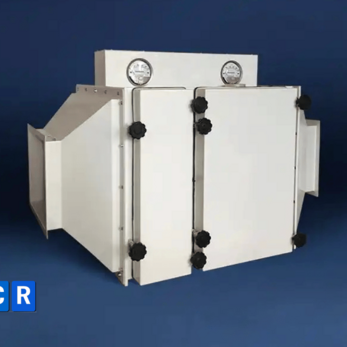
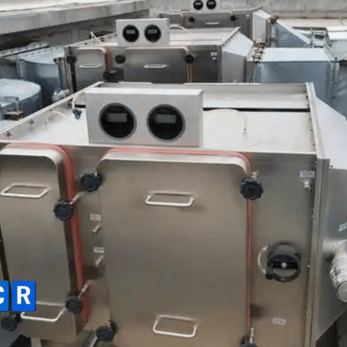
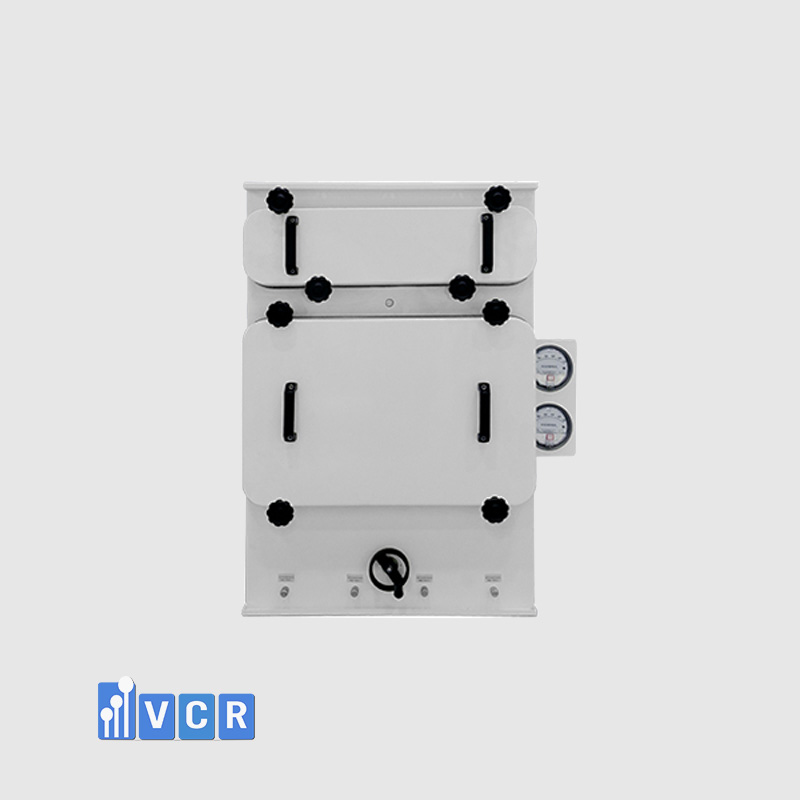
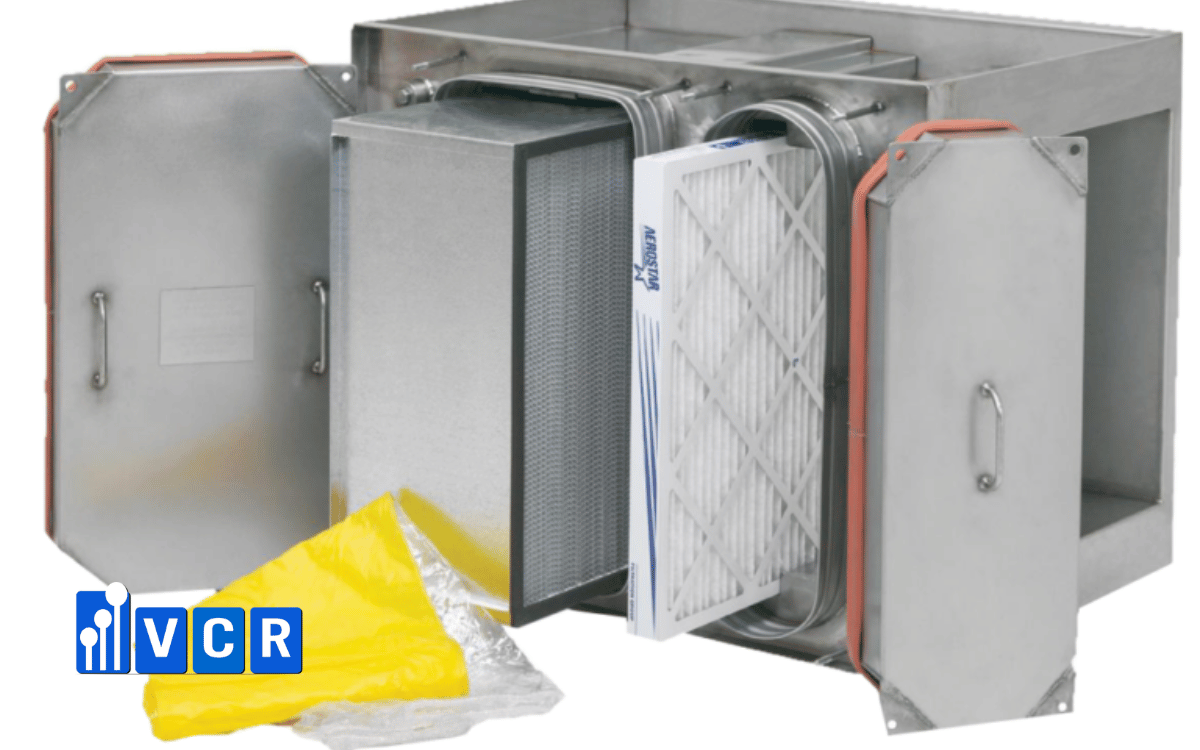
A very common mistake is understanding BIBO as a type of HEPA filter or a device that makes filtration cleaner. This is not correct. BIBO stands for Bag In Bag Out, meaning a safe bag-based filter replacement system. BIBO is usually designed as BIBO Filter Housing, meaning a filter enclosure or box with a safe bag-based replacement mechanism.
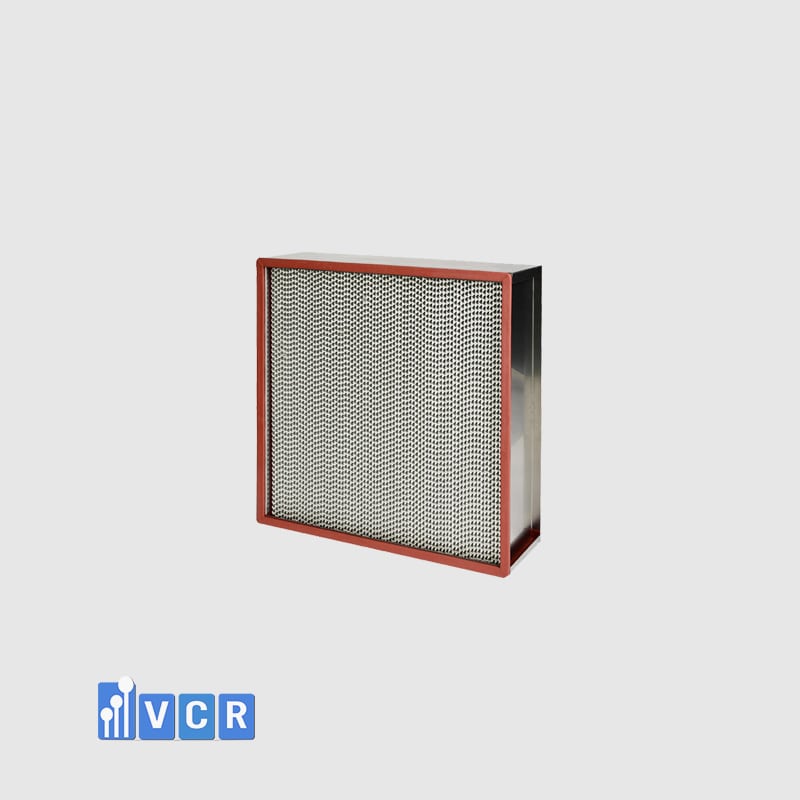
HEPA Filter stands for High Efficiency Particulate Air, meaning a high-efficiency air filter. HEPA is the component that captures particles in the airflow. BIBO is not a HEPA filter. BIBO is the housing that contains the filter and supports removal of the contaminated filter from the system under conditions that better limit release.
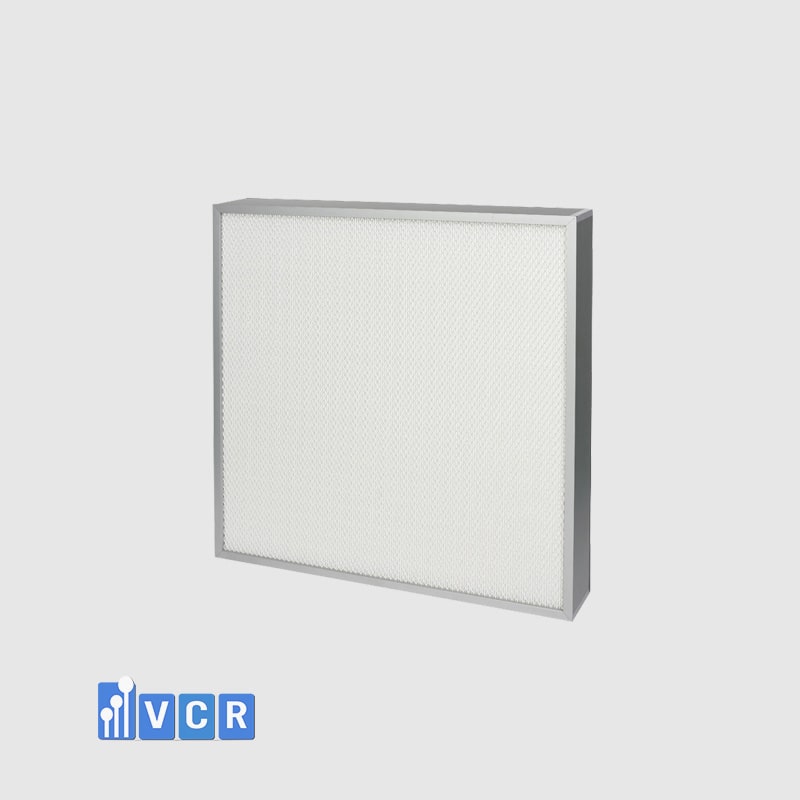
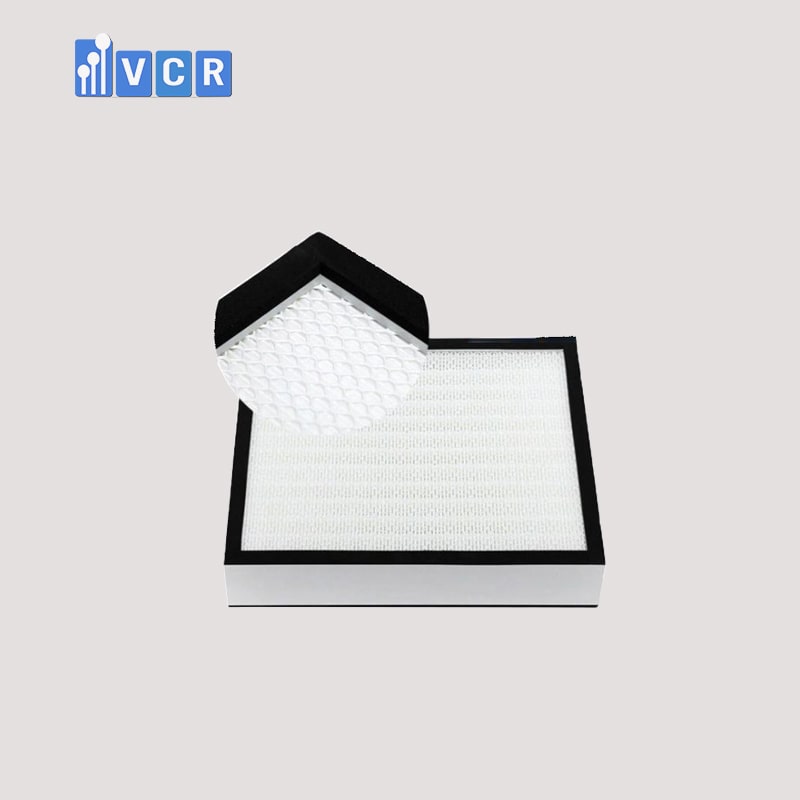
Inside BIBO, HEPA filters, ULPA filters, pre-filters, carbon filters, or other filtration stages may be installed depending on the application. ULPA Filter stands for Ultra Low Penetration Air, meaning an air filter with extremely low particle penetration. A pre-filter is a primary or coarse filter. A carbon filter is an activated carbon filter. These filters determine air filtration capability, while BIBO determines how the filter is replaced after it becomes contaminated.
If BIBO is misunderstood as a filter, selection teams may focus too much on filter grade while overlooking the more important requirement of BIBO: safe replacement capability. For example, a project may only specify “BIBO with HEPA H14” but fail to define the BIBO bag, bag attachment opening, bag clamping mechanism, service space, sealing method, and used-filter handling. In that case, the equipment may be correct in filter grade but incomplete in Bag In Bag Out capability.
BIBO also does not automatically increase filter grade. If HEPA H13 is installed inside, performance remains H13. If HEPA H14 is installed, performance remains H14. The value of BIBO is not “cleaner filtration,” but “safer contaminated filter replacement.” This is the first point that must be understood before selecting or installing a BIBO system.
Selecting BIBO Only Because It Seems “Advanced” Without Risk Assessment
Another mistake is selecting BIBO simply because it is considered more advanced than standard HEPA Housing. In some projects, BIBO is included in the configuration based on the mindset of “using better equipment to be safe,” but without a clear risk assessment. This approach may increase cost without creating proportional value.
Risk assessment is the process of evaluating risk. It is necessary before deciding whether BIBO is required. Not every cleanroom, HEPA position, or HVAC system needs BIBO. BIBO is most suitable where filters after operation may contain hazardous contaminants and direct filter removal may cause release or exposure.
If the filter is installed only on a low-risk clean air supply path and mainly captures environmental dust, standard HEPA Housing or standard Filter Housing may be more suitable. Using BIBO in this location may increase equipment cost, bag cost, space requirements, maintenance time, and SOP complexity unnecessarily.
Conversely, if the filter is installed on an exhaust air path from an API area, microbiology area, chemical area, or high-risk product manufacturing area, not selecting BIBO may create significant risk. API stands for Active Pharmaceutical Ingredient. Filters after operation in these areas may contain active ingredient dust, microorganisms, or hazardous particles. In this case, the Bag In Bag Out mechanism has clear value.
Therefore, BIBO should not be selected based on perception or the visual value of the equipment. Selection should be based on practical questions: what will the contaminated filter contain, who will replace it, where replacement will occur, whether release risk exists, how the used filter will be handled, and whether the project requires containment. Containment means the ability to control contaminants within an acceptable boundary.
The right equipment is not always the most complex equipment. The right equipment is the one that matches the actual risk of the installation location.
Not Assessing the Risk of the Filter After Operation
A very important mistake is only looking at the filter when it is new and forgetting that the greatest risk appears after the filter has operated. A new filter is usually clean, while a used filter may have accumulated dust, particles, microorganisms, active ingredients, chemicals, or other contaminants. When replacement is required, the contaminated filter itself becomes the risk source.
Without assessing the risk of the filter after operation, projects can easily select the wrong housing type. A HEPA H14 filter on a clean air supply path and a HEPA H14 filter on an exhaust air path from an API area may be the same in filter grade, but the replacement risk is very different. The supply air filter may mainly contain environmental dust, while the exhaust filter from the API area may contain active ingredient dust.
Risk assessment should answer several basic questions. Is the airflow passing through the filter supply air, return air, or exhaust air? Could the air contain hazardous contaminants? After operation, what may the filter accumulate? Could the filter replacement operator be exposed? Could the maintenance area become secondarily contaminated? Does the used filter need to be handled as hazardous waste? Is containment required?
If the answers show that the contaminated filter may contain high-risk contaminants, BIBO should be considered. If the assessment shows low risk, BIBO is not necessarily required. The goal is not to use as many BIBO units as possible, but to use them where filter replacement risk must be controlled.
This mistake also affects SOP and used-filter disposal. If the facility does not know what the contaminated filter may contain, it will be difficult to define PPE, bag sealing method, warning labels, transport route, and disposal method. Therefore, risk assessment is not only a design step; it is the foundation for the entire BIBO operating life cycle.
Selecting the Wrong Installation Location in HVAC, AHU, or Ductwork
Selecting the wrong BIBO installation location may significantly affect both technical performance and maintainability. BIBO is usually considered on exhaust air paths, return air paths, or filter sections serving high-risk areas. Exhaust air is air extracted from an operating area. Return air is air sent back to the air handling system.
If BIBO is installed in a location unrelated to the risk airflow, the equipment may not address the correct risk. Conversely, if a high-risk location uses standard housing only, the contaminated filter may need to be removed more directly, increasing release risk. Therefore, installation location must be based on airflow path and contaminant nature.
A common mistake is placing BIBO where it looks convenient on the drawing but not where it is practical for operators. The equipment may be too high, too close to a wall, too close to other ducts, or installed in a cramped technical area. When filter replacement is required, the operator may not have enough space to attach the bag, pull the filter, and seal the bag. In that case, installation location has already reduced the effectiveness of the Bag In Bag Out principle.
Installation location should also consider door-opening direction, filter removal direction, movement route of the contaminated filter bag, and differential pressure gauge location. If the service door opens toward an obstructed side, if the bag must be pulled through a narrow corner, or if the used filter has no suitable movement route, replacement will be difficult to control.
In AHU or ductwork systems, BIBO must also be installed so that housing deformation, excessive vibration, and test-port access issues are avoided. If the system requires HEPA leak testing, scan testing, or DOP/PAO testing, the BIBO location must allow access to test ports and measurement instruments.
Therefore, BIBO installation location cannot be based only on available space. It must combine airflow requirements, contaminated filter risk, maintenance operation, and qualification criteria.
Not Allowing Enough Space for Bag-Based Filter Replacement
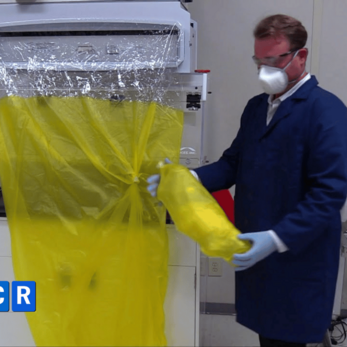
Insufficient service space is a very common mistake when installing BIBO. Unlike standard housing, BIBO needs space for the full Bag In Bag Out procedure. The operator must attach the bag, open the service door within the bag, remove the filter, pull the filter into the bag, seal the bag, and remove the contaminated filter bag. Each step requires real working clearance.
If the equipment is installed too close to a wall, too close to the ceiling, too high, or blocked by ductwork, the operator will have difficulty performing the procedure correctly. The bag may be folded, stretched, pulled off-center, or torn. The filter may not be pulled straight into the bag, disturbing dust on the filter surface. In that case, BIBO cannot fully achieve its contaminant-release control objective.
The space in front of the service door must be sufficient for the bag length and filter size. If the filter is large, the clearance should not be calculated only as ordinary door-opening space. It must include the filter withdrawal distance, bag length after containing the filter, and sealing position. For heavy filters, the operator’s working posture must also be considered to avoid excessive force or unsafe handling.
Another mistake is checking space only when the bag is not installed. Once the actual bag is attached, the required space becomes much larger. If designers only look at 2D drawings or mechanical clearances without simulating the operation, this issue is easy to miss. Therefore, the full filter replacement process should be visualized during layout design.
Space also relates to the movement route of the used filter after bag-out. If the contaminated filter bag must be transported to a temporary storage or waste handling area, the route must be suitable. Operators should not have to carry the contaminated filter bag through unsuitable areas or through points where impact could tear the bag.
Therefore, maintenance space is not a secondary factor. For BIBO, it is a required condition for the Bag In Bag Out principle to be performed correctly in practice.
Selecting the Wrong BIBO Size for Airflow, Filter, and Ductwork
Selecting the wrong BIBO size may create many operating problems. If BIBO does not match the airflow rate, filter size, resistance, system pressure, or ductwork connection, the system may suffer increased pressure loss, difficult airflow balancing, difficult filter installation, or failure to meet qualification requirements.
Before selecting BIBO, the design airflow must be clearly defined. Airflow affects filter size, face velocity, and resistance. If the housing is too small for high airflow, face velocity may increase, resistance may be higher, and filter service life may decrease. If the housing is too large but the layout is unsuitable, cost and space may increase unnecessarily.
The filter type installed inside BIBO must also be defined. Will the system use HEPA or ULPA? Is the filter grade H13, H14, or another grade? Is the filter a standard size or a special size? What is the frame type, where is the gasket, and what is the airflow direction? If the housing is incompatible with the filter, misalignment, poor compression, or difficulty during bag-out may occur.
Initial resistance and final resistance should also be considered. As the filter becomes dirty, differential pressure increases. If resistance is not calculated in advance, the fan may not maintain the required airflow when the filter loads. This affects room pressure balance and cleanroom ventilation performance.
Ductwork connection size is also important. If the connection does not match, duct transitions may create pressure loss, leakage, or installation difficulty. BIBO must be integrated into the system, not treated as an isolated device separate from aerodynamic conditions.
Therefore, wrong sizing is not merely a mechanical issue. It can affect airflow, pressure, tightness, filter life, replacement capability, and qualification. HVAC design, filtration requirements, and maintenance requirements must be coordinated before finalizing BIBO configuration.
Focusing Only on HEPA Filter Grade While Ignoring Housing Tightness
A very common mistake is focusing only on HEPA H13 or H14 filter grade while ignoring housing tightness. In reality, actual system performance depends not only on the filter, but also on how the filter is installed inside the housing, gasket sealing, service door tightness, filter seating, and ductwork connections.
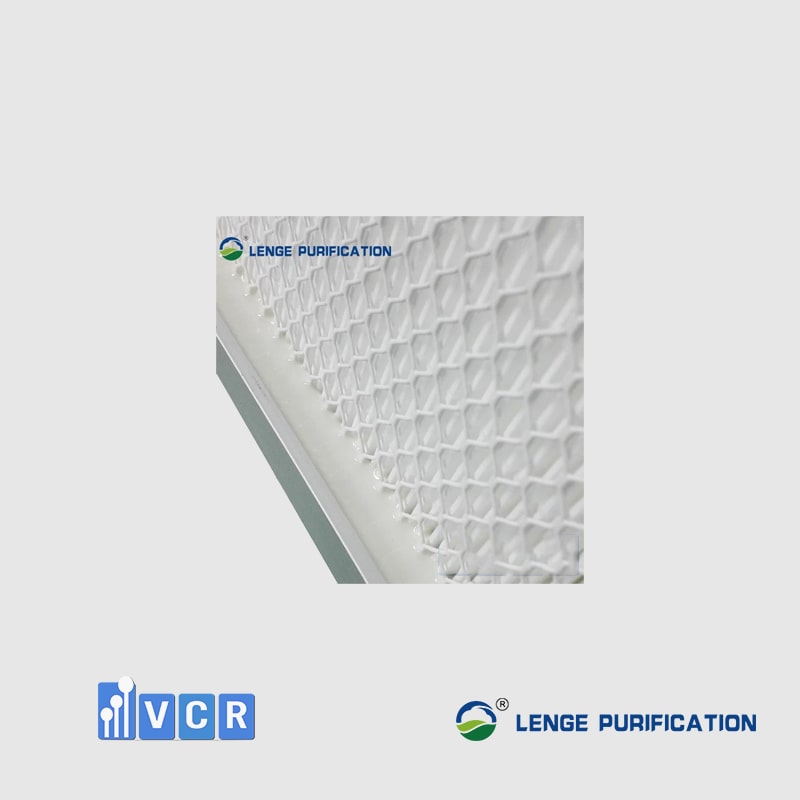
A gasket is a sealing component. If the gasket does not contact evenly, if the compression mechanism is insufficient, or if the filter is misaligned, air may bypass the filter. Bypass means air flows around the filter instead of through it. In that case, even if the filter grade is high, part of the airflow is not filtered correctly.
For BIBO, tightness is even more important because the equipment not only filters air during normal operation but also supports contaminated filter replacement. If the service door, bag attachment opening, or bag clamping mechanism has gaps, contaminants may escape while the filter is being pulled into the bag. This is a direct containment risk.
Some projects clearly specify the filter grade but vaguely describe the housing. This can lead to equipment that uses the correct filter grade but does not ensure overall sealing. In GMP cleanrooms, especially high-risk areas, housing tightness must be treated as an important technical requirement.
During qualification, filter installation, gasket condition, service door, ductwork connection, and filter compression should be checked. If the project requires HEPA leak testing or scan testing, the housing must support these tests properly. A filter certificate alone should not be considered sufficient to prove that the entire system meets requirements.
In other words, a good filter with poor housing tightness still results in compromised performance. With BIBO, poor housing tightness also reduces safe replacement value. Therefore, filter grade and housing tightness must be controlled together.
Selecting a BIBO Bag Unsuitable for the Filter and Contaminant
The BIBO bag is central to the Bag In Bag Out principle, but in many projects it is treated as a secondary accessory. This is a serious mistake. If the bag is incorrectly sized, too thin, not strong enough, or incompatible with the contaminant, BIBO filter replacement may fail to meet its safety objective.
The bag must be large enough to contain the contaminated filter. If the bag is too small, the operator will struggle to pull the filter inside, may need excessive force, or may rotate the filter repeatedly. This increases the risk of tearing the bag and disturbing dust on the filter surface. If the bag is too large but not clamped securely, handling may become loose and difficult to control.
Bag strength is also very important. HEPA or ULPA filters can be large and heavy. When the filter is pulled into the bag, the bag must withstand friction, pulling force, and filter weight. If the bag is too thin or made of unsuitable material, it may tear at the highest-risk moment, when the filter is already contaminated.
The bag must also be compatible with the contaminant. If the filter may contain active ingredient dust, microorganisms, or chemicals, the bag must suit the sealing, labeling, transport, and used-filter disposal procedure. In some cases, additional packaging or a special sealing method may be required by the SOP.
Another mistake is not preparing the correct spare bags. When filter replacement is needed, if the correct bag size is unavailable or the stored bag is damaged, the operation may be delayed or operators may use an unsuitable bag. This increases risk.
BIBO bag requirements should clearly define size, strength, attachment method, sealing method, storage conditions, and filter compatibility. The specification should not merely say “with BIBO bag.” A BIBO system is effective only when the bag is correctly selected and correctly used.
Bag Clamping Mechanism Is Not Secure or Difficult to Operate
The bag clamping mechanism determines whether the bag is securely held to the housing. If the bag attachment opening, clamping ring, or bag-holding mechanism is not secure, the bag may slip, leak, or shift while the contaminated filter is being pulled into the bag. In that case, BIBO’s release-control capability is significantly reduced.
A common mistake is that the clamping mechanism appears complete but is difficult to operate in practice. Operators may need too much time to attach the bag, may clamp it unevenly, or may not know whether it is fully sealed. If the mechanism is too complex or difficult to inspect visually, the risk of incorrect operation increases. In a GMP environment, filter replacement must be repeatable and controlled, so the clamping mechanism must be user-friendly.
The clamping mechanism must also match the bag type. If the bag and clamping ring are not compatible, the bag may slip or tear. If the bag attachment edge has sharp corners, the bag may tear during filter pulling. If the clamping ring is bent, worn, or stuck after use, real filter replacement may encounter problems.
Therefore, the bag clamping mechanism must be checked during qualification. It should not only be visually inspected. The team should try attaching the bag, performing a simulated pull, and evaluating bag retention. Simulated filter replacement is a good way to detect this problem before the real filter becomes contaminated.
During operation, the bag clamping mechanism also needs periodic maintenance. If a stuck or loose clamp is only discovered when the real filter is about to be replaced, the risk is much higher. At that time, the operation team may need to handle the issue under time pressure and with a filter that may already contain contaminants.
A good BIBO system needs not only a good bag, but also a secure, tight, and easy-to-operate bag-holding mechanism. This requirement cannot be overlooked.
Service Door, Filter Lock, and Filter Compression Mechanism Are Difficult to Use
The service door, filter lock, and filter compression mechanism directly affect filter replacement. If these mechanical components are difficult to use, operators may need to apply excessive force, work in an awkward posture, or shake the filter. In BIBO, this may lead to bag tearing, filter impact, or release of dust from the filter.
The service door must open and close smoothly and should not interfere when the bag is attached to the housing. If the door is difficult to open, too heavy, or opens in an unsuitable direction, operation within the bag becomes inconvenient. Operators may pull the bag off-center or stretch it. This issue is often only detected during simulation or real filter replacement.
The filter lock must hold the filter securely during normal operation, but it must also be easy to release during replacement. If the lock is too stiff or requires complex tools, it is difficult to operate within the bag. If the lock is too loose, the filter may not be held correctly or may not compress properly against the gasket.
The filter compression mechanism must apply even force to the filter. If compression is uneven, part of the gasket may not seal, causing bypass. If the mechanism is too tight or difficult to release, the operator may need strong force to remove the filter. The filter may then come loose suddenly or scrape against the bag, increasing tear risk.
It is important to remember that operating BIBO differs from operating standard housing. Operators do not directly handle components in an open space; they work through the bag. Therefore, small details such as door-opening direction, handles, locks, compression screws, and working clearance all affect actual performance.
Mechanical problems may not cause immediate failure at installation, but they will create issues during filter replacement. Therefore, before qualification, the team should test door opening, lock release, compression release, and simulated filter pulling while the bag is attached. This is the most realistic way to evaluate the system.
Not Providing Suitable Differential Pressure Gauges or Monitoring Points
Differential pressure is an important parameter for monitoring filter condition. Differential pressure means the pressure difference between the two sides of the filter. As the filter loads with dust, differential pressure usually increases. Without suitable differential pressure gauges or monitoring points, the operation team may not know when the filter needs replacement or whether the system has leakage, blockage, or bypass issues.
A common mistake is not installing a differential pressure gauge for BIBO, or installing one with an unsuitable range. If the range is too wide, small changes are difficult to observe. If the range is too narrow, the gauge may not respond properly when pressure increases. The measurement range should match filter type, airflow, and operating limits.
Pressure tapping location is also important. Tapping points must reflect the actual pressure difference before and after the filter. If pressure tubing is installed incorrectly, folded, blocked, or leaking, the reading may be inaccurate. Replacement decisions based on differential pressure will then be unreliable.
Another mistake is placing the gauge where it is difficult to observe. If operators must climb high, enter a difficult-access area, or the gauge is blocked by ductwork, periodic readings may be skipped. In GMP cleanrooms, differential pressure data may need to be recorded according to the SOP, so the gauge must be conveniently located.
Differential pressure not only helps determine replacement timing but also helps detect abnormalities. Rapid pressure increase may indicate high dust loading or filter blockage. Abnormally low differential pressure may relate to leakage, bypass, or incorrect filter installation. Without monitoring, these problems may not be detected in time.
Therefore, when installing BIBO, the differential pressure gauge, sensor, pressure taps, and data-recording method should be considered part of the system, not optional accessories.
Missing Test Ports or Test Ports That Are Difficult to Access
Missing test ports or hard-to-access test ports can create major difficulties during qualification and re-testing after filter replacement. For systems requiring HEPA leak testing, BIBO must be designed so HEPA leak testing, scan testing, or DOP/PAO testing can be performed according to project requirements.
HEPA leak testing checks for leakage in the HEPA filter. Scan testing is filter leak scanning. DOP/PAO testing uses test aerosol. These tests help confirm that the filter and filter seat do not leak beyond required limits. Without suitable test ports, testing may be very difficult or impossible to perform properly.
A common mistake is that the equipment has test ports, but after installation they are blocked by ductwork, walls, supports, or other equipment. On drawings, the test port may appear acceptable, but on site, testing equipment cannot be positioned properly. This is usually caused by insufficient coordination between equipment design and actual layout.
Test ports must also match the intended test method. If the aerosol injection point, sampling point, or access direction is unsuitable, test results may be unreliable or testing may take much longer. In GMP cleanrooms, qualification should not depend on temporary field solutions when correct design is possible from the beginning.
BIBO does not only need test ports for initial qualification. After filter replacement, the system may need to be re-tested. If testing is difficult every time, maintenance cost and downtime will increase. This affects long-term operation.
Therefore, when selecting and installing BIBO, test ports must be reviewed from the design stage. They must exist, be correctly located, be easy to access, match the test method, and not be blocked after installation. This is important for easier qualification and maintaining the controlled state of the system.
Not Performing Simulated Filter Replacement Before Qualification
A serious but common mistake is qualifying BIBO based only on appearance, dimensions, material, and filter installation, without performing simulated filter replacement. However, the main value of BIBO lies in its Bag In Bag Out capability. Without testing the operation, it is difficult to know whether the equipment can actually support safe bag-based filter replacement.
Simulated filter replacement confirms the full operation sequence: attaching the bag, opening the door, releasing the filter lock, pulling the filter into the bag, sealing the bag, and removing the contaminated filter bag. This is the most practical test for identifying layout problems, door-opening direction issues, service space limitations, bag sizing problems, clamping issues, and filter weight concerns.
If simulation is already difficult, real replacement will carry much higher risk. At that time, the filter is already contaminated and may contain hazardous contaminants. Operators cannot casually test or correct design issues under these conditions. Therefore, simulation must be performed before the system enters official operation.
Simulation also helps train operators. Replacement personnel can become familiar with the equipment, bag, filter lock, clamping mechanism, and sealing method before performing real replacement. At the same time, the qualification team can observe inconvenient points and adjust the SOP accordingly.
Simulation should also be recorded in qualification documentation. Records may include the operator, steps checked, issues found, and corrective actions if any. In GMP environments, this evidence helps prove that the equipment is not only installed correctly but can also be operated correctly.
If simulation is skipped, the project may only discover problems when the filter needs replacement. That is the latest and highest-risk moment. Therefore, simulated filter replacement should be treated as an important part of BIBO qualification.
Lacking a Clear BIBO Filter Replacement SOP
Having BIBO equipment without a clear filter replacement SOP is a major mistake. SOP stands for Standard Operating Procedure. In a BIBO system, the SOP is not just administrative documentation; it is a risk-control guide for removing contaminated filters.
A BIBO filter replacement SOP should fully describe preparation, area inspection, bag preparation, PPE preparation, system shutdown conditions if required, bag attachment, door opening, filter removal, pulling the filter into the bag, bag sealing, separating the bag from the housing, used-filter disposal, new filter installation, post-replacement inspection, and documentation.
Without an SOP, operators may perform replacement based on personal experience. Each replacement may be done differently. This is not suitable for GMP, where critical operations must be repeatable, controlled, and traceable.
The SOP should also define abnormal situations. What should be done if the bag tears? At what step should the process stop if the bag clamp is not tight? If the filter is stuck, is strong pulling allowed? If abnormal differential pressure is found before replacement, what should be checked? If the used filter must be handled as hazardous waste, who is responsible?
In addition, the SOP must match the actual equipment. A generic SOP copied from another document may not match the door-opening direction, bag type, filter lock, or layout of the project. Therefore, the SOP should be built based on the installed equipment and the results of simulated replacement.
In cleanrooms, especially high-risk areas, BIBO cannot be separated from SOP. The equipment supports risk control only when operators follow the correct procedure. Without a clear SOP, BIBO may fail to perform its safe replacement role.
Not Training Operators and Not Preparing Suitable PPE
Another mistake is assuming that BIBO is automatically safe and therefore does not require detailed operator training. In reality, BIBO is only one engineering control layer. It helps reduce risk during contaminated filter replacement, but it does not replace people, procedures, or personal protective equipment.
PPE stands for Personal Protective Equipment. Depending on the risk of the contaminated filter, PPE may include gloves, masks, goggles, protective garments, respirators, or other suitable respiratory protection. If the filter may contain active ingredients, microorganisms, or chemicals, PPE must be selected according to risk assessment, not by routine habit.
Operators must be trained on the Bag In Bag Out principle. They need to understand why the bag must be attached before the door is opened, why the filter must be pulled into the bag, why the bag must be sealed before separation from the housing, and why the filter must not be removed directly in an open condition. When operators understand the principle, they are more likely to work carefully.
Training should also include incident response. If the bag tears, operators must know where to stop and whom to report to. If the clamp is not tight, they must know how to re-check it. If the filter is stuck, they should not use excessive force that could tear the bag or release dust. If release is suspected, there must be a response procedure.
A common mistake is providing only theoretical training without practice. With BIBO, practical training is very important because the operation involves the bag, service door, filter lock, and sealing method. Operators should participate in simulated replacement before real replacement.
Without training and suitable PPE, BIBO may create a false sense of safety. The equipment may have a good mechanism, but incorrect operation can still create risk. Therefore, training and PPE must be considered part of the BIBO system, not a final add-on.
No Used-Filter Handling Plan After Bag-Out
Many projects focus only on getting the contaminated filter into the bag, but do not prepare a handling plan after bag-out. This mistake may transfer risk from the filter removal step to the transport, temporary storage, or disposal step. Once the filter is inside the bag, contaminants do not disappear. They are only initially enclosed.
If the contaminated filter may contain pharmaceutical active ingredients, the filter bag may need to be labeled, transported along a suitable route, and handled according to the relevant waste procedure. If the filter contains microorganisms, biological waste procedures may need to be considered. If the filter contains chemicals or hazardous dust, chemical safety and environmental requirements must be followed.
The SOP must clearly define where the sealed bag should be placed, who transports it, what transport method is used, whether double packaging is needed, whether a specialized container is needed, and who confirms final disposal. If these steps are unclear, operators may temporarily place the used filter bag in an unsuitable area or move it along an uncontrolled route.
Labeling is also very important. Labels should show necessary information such as filter location, replacement date, risk type if applicable, operator, and handling warning. In GMP environments, used-filter disposal records support traceability.
BIBO controls the step of removing the contaminated filter from the housing when the bag is used correctly. But if the used filter is handled incorrectly afterward, the overall safety objective is still affected. Therefore, a used-filter handling plan must be prepared before BIBO enters operation.
A complete BIBO system does not only include housing, filter, and bag. It also includes the process for removing the used filter from the area, temporary storage, handover, and final disposal.
Missing Technical Documentation, Qualification Records, and GMP Traceability
In GMP cleanrooms, equipment must not only be installed correctly; there must also be evidence that it is properly controlled. Documentation means records and technical documents. Traceability means the ability to trace information. For BIBO, missing technical documentation, qualification records, and operating records may create problems during audits, maintenance, and deviation investigations.
Technical documentation should include equipment drawings, installation drawings, technical specifications, housing material, filter type, filter grade, airflow rate, pressure, bag type, bag clamping mechanism, test ports, differential pressure gauge, and operating instructions. Without this information, the maintenance team may not fully understand the equipment configuration after some time in operation.
Qualification records should include visual inspection, dimensions, tightness, airflow direction, differential pressure, filter installation condition, HEPA leak test or scan test results if applicable, and especially simulated filter replacement results. Without simulation records, it is difficult to prove that BIBO can perform the Bag In Bag Out principle under real conditions.
Operating records should include periodic differential pressure readings, replacement time, old filter code, new filter code, operator, PPE used, bag sealing method, used-filter condition, and disposal method. Training records should also be retained to prove that operators have been instructed correctly.
Without traceability, if an issue occurs such as abnormal differential pressure, detected leakage, or suspected contaminant release, the technical team will have difficulty tracing the cause. Not knowing which filter was installed, when it was replaced, who replaced it, whether testing was performed after replacement, and how the used filter was handled weakens system control.
Therefore, documentation is not a secondary administrative task. For BIBO in GMP environments, documentation is part of the control system. Correct equipment must come with correct documentation, correct qualification, and correct traceability.
Not Planning Periodic Maintenance for BIBO
A common mistake is checking BIBO only when filter replacement is due. In reality, BIBO is directly related to maintenance safety and should be inspected periodically. If the system is only checked during real filter replacement, small faults may have already accumulated and become major risks.
Items that should be checked periodically include housing condition, service door, gasket, bag clamping mechanism, bag attachment opening, spare bags, filter lock, compression mechanism, differential pressure gauge, pressure tubing, test ports, and signs of abnormal leakage. Each of these details may affect the Bag In Bag Out process.
Gaskets may age, crack, or lose elasticity over time. Service doors may become difficult to close due to deformation or contamination. Bag clamping mechanisms may become stuck, worn, or loose. Differential pressure gauges may drift, or pressure tubing may become blocked. If these faults are only discovered when the filter needs replacement, handling them becomes more difficult.
Spare bags also need inspection and proper storage. Bags stored for a long time under unsuitable conditions may become brittle, torn, or contaminated. If the facility discovers at the replacement time that the bags are unusable, the maintenance plan will be affected.
The periodic maintenance plan should define inspection frequency, responsible person, acceptance criteria, actions when abnormalities are found, and records required. For high-risk areas, inspection frequency may need to be stricter.
BIBO should not be treated as equipment that is “installed and left until filter replacement.” It must be maintained in a ready state for safe filter replacement. Periodic maintenance helps ensure that when real replacement is needed, the equipment, bag, clamp, door, and gauges all work correctly.
Summary Table of Common Mistakes and Prevention Methods
|
Common mistake |
Possible consequence |
Prevention method |
|
Mistaking BIBO for a HEPA filter |
Wrong equipment objective; focus only on filter grade and ignore replacement mechanism |
Clearly distinguish between filter and housing; understand BIBO as a bag-based replacement system |
|
Selecting BIBO without risk assessment |
BIBO used in the wrong location or missing where it is needed |
Assess the risk of the filter after operation before selecting equipment |
|
Not assessing contaminated filter risk |
PPE, SOP, and used-filter disposal cannot be properly defined |
Identify airflow type, contaminant type, and used-filter condition |
|
Wrong installation location |
Equipment does not control the correct risk or is difficult to maintain |
Select location based on airflow, risk, and accessibility |
|
Insufficient service space |
Bag-out cannot be performed properly; bag may tear or fail to seal |
Check layout and simulate operation from the design stage |
|
Wrong BIBO size |
Increased pressure loss, difficult filter installation, difficult airflow balancing |
Define airflow, filter size, pressure, and duct connection before ordering |
|
Housing not tight |
Bypass, reduced filtration performance, increased release risk |
Check gasket, door, connections, and filter compression mechanism |
|
Incorrect BIBO bag size |
Difficult filter pulling, bag tearing, reduced containment |
Select bag according to filter size and weight |
|
Insecure bag clamp |
Bag slips or leaks during filter removal |
Check bag clamp during qualification and periodic maintenance |
|
Missing test ports |
Difficult qualification and post-replacement testing |
Arrange test ports according to HEPA leak test or scan test requirements |
|
No simulated filter replacement |
Layout and operation issues are not detected before operation |
Perform Bag In Bag Out simulation before qualification |
|
Lack of SOP and training |
Operators perform inconsistently |
Issue SOP, provide practical training, and keep records |
|
No used-filter handling process |
Risk shifts to transport or disposal step |
Define labeling, transport, storage, and disposal procedures |
|
Missing GMP documentation |
Difficult audit, poor traceability, difficult deviation investigation |
Manage technical, qualification, operating, and training records |
|
No periodic maintenance |
Small faults are detected only during real replacement |
Plan inspections for housing, gasket, clamp, gauge, and test ports |
The table shows that most BIBO problems do not come from the equipment having no value. They come from misunderstanding the equipment or failing to integrate it properly into design, operation, and maintenance. To avoid these mistakes, BIBO should be treated as a filter replacement risk-control system, not merely as a filter box.
Checklist Before Finalizing BIBO Selection and Installation
Before finalizing BIBO selection and installation, several criteria should be reviewed as a whole. The first criterion is installation location. Will BIBO be installed on exhaust air, return air, supply air, inside an AHU, or on ductwork? Is this location truly related to a high-risk contaminated filter? Can operators access it?
The second criterion is airflow type and risk of the filter after operation. If the airflow may carry active ingredients, microorganisms, chemicals, or hazardous particles, BIBO should be seriously evaluated. If the risk is low, the necessity of BIBO should be reconsidered.
The third criterion is filter grade, airflow, and pressure. It is necessary to determine whether the filter is HEPA or ULPA, the specific grade, design airflow, resistance, system pressure, and ductwork dimensions. BIBO must fit the entire air system, not only the filter size.
The fourth criterion is housing material and tightness. The housing must match the cleanroom environment, cleaning process, contaminant type, and durability requirements. Gasket, service door, connection points, and filter compression mechanism should be checked to limit leakage and bypass.
The fifth criterion is the BIBO bag and bag clamping mechanism. The bag must be correctly sized, strong enough, compatible with the filter and used-filter disposal process. The clamping mechanism must be secure, easy to operate, and checked under simulated conditions.
The sixth criterion is maintenance space. There must be enough clearance to attach the bag, pull the filter, seal the bag, and move the contaminated filter bag. If space is insufficient, the layout should be adjusted before installation.
The seventh criterion is test ports, differential pressure gauges, and qualification capability. The equipment must support HEPA leak testing, scan testing, or DOP/PAO testing if required by the project. Differential pressure gauges should be easy to observe and have a suitable range.
The final criterion is SOP, PPE, used-filter disposal, qualification records, and life-cycle budget. BIBO cost includes not only equipment purchase, but also bags, training, maintenance, testing, and used-filter disposal.
As a cleanroom equipment supplier for cleanroom contractors, VCR Cleanroom Equipment can support BIBO configuration review based on HVAC layouts, AHUs, ductwork, exhaust air, return air, and qualification requirements of each project, helping reduce mistakes from the equipment selection stage.
FAQ – Frequently Asked Questions About BIBO Selection and Installation Mistakes
Question: What is the most common mistake when selecting BIBO?
The most common mistake is selecting BIBO without assessing the risk of the filter after operation. BIBO should be selected when the contaminated filter may contain hazardous contaminants and requires safe bag-based replacement.
Question: Is BIBO a HEPA filter?
No. BIBO is not a HEPA filter. BIBO is a housing or safe bag-based filter replacement system. A HEPA Filter is a high-efficiency air filter that may be installed inside BIBO if required by the design.
Question: Is BIBO needed for every HEPA location?
No. BIBO is not needed for every HEPA location. It is suitable for locations with high filter replacement risk. For low-risk locations, standard HEPA Housing or standard Filter Housing may be more suitable.
Question: Why is BIBO service space important?
Service space determines whether operators can attach the bag, pull the filter into the bag, seal the bag, and remove the filter correctly. If space is insufficient, the Bag In Bag Out principle cannot be performed safely.
Question: What happens if the BIBO bag size is wrong?
An incorrectly sized bag may make filter removal difficult, cause bag tearing, disturb dust on the filter, or reduce containment during replacement.
Question: Does BIBO need HEPA leak testing?
If the project requires HEPA leak testing after installation or filter replacement, BIBO must support HEPA leak testing. The equipment needs suitable test ports and access space.
Question: Is simulated filter replacement needed during BIBO qualification?
Yes. Simulated replacement verifies that BIBO can attach the bag, open the door, release the filter, pull the filter into the bag, seal the bag, and remove it under real conditions.
Question: What should a BIBO filter replacement SOP include?
The SOP should include preparation, PPE, system shutdown conditions if required, bag attachment, filter removal, pulling the filter into the bag, bag sealing, used-filter disposal, new filter installation, post-replacement inspection, and documentation.
Question: Does BIBO replace PPE?
No. BIBO does not replace PPE. Operators still need personal protective equipment suitable for the risk of the contaminated filter and the facility procedure.
Question: How should used filters be handled after bag-out?
Used filters after bag-out should be labeled, transported, temporarily stored, and disposed of according to contaminant type. If they contain active ingredients, microorganisms, or chemicals, suitable waste procedures must be followed.
Question: What should contractors consider when installing BIBO?
Contractors should consider installation location, airflow type, contaminated filter risk, BIBO size, filter grade, tightness, BIBO bag, bag clamping mechanism, service space, test ports, differential pressure gauge, SOP, and qualification records.
Conclusion: Most BIBO Mistakes Come From Underestimating Filter Replacement Risk
Most mistakes when selecting and installing BIBO systems do not come from the equipment name itself, but from misunderstanding the safe bag-based replacement principle. BIBO is effective only when selected for the right location, the right risk, the right size, the right filter, the right bag, and when enough space is available to perform the Bag In Bag Out procedure.
BIBO is not mandatory for every filtration point in a cleanroom. However, in areas where contaminated filters may contain active ingredients, microorganisms, chemicals, toxic dust, aerosols, or contaminants requiring containment, BIBO is a solution worth considering. If selected or installed incorrectly, the equipment may fail to achieve its safety objective even though its investment cost is higher than standard housing.
Avoiding mistakes from the design stage helps the system qualify more easily, be maintained more conveniently, and operate more stably. A good BIBO system is not only about the housing. It is the coordination of equipment, layout, bag, procedure, operator, documentation, and used-filter disposal plan.
Hải VCR