What does BIBO mean?
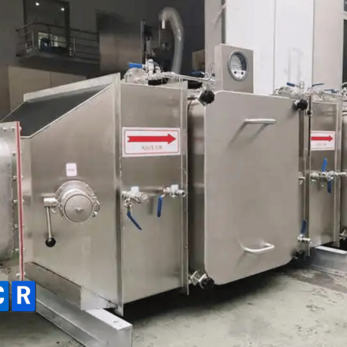
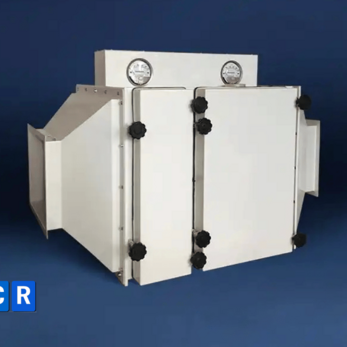
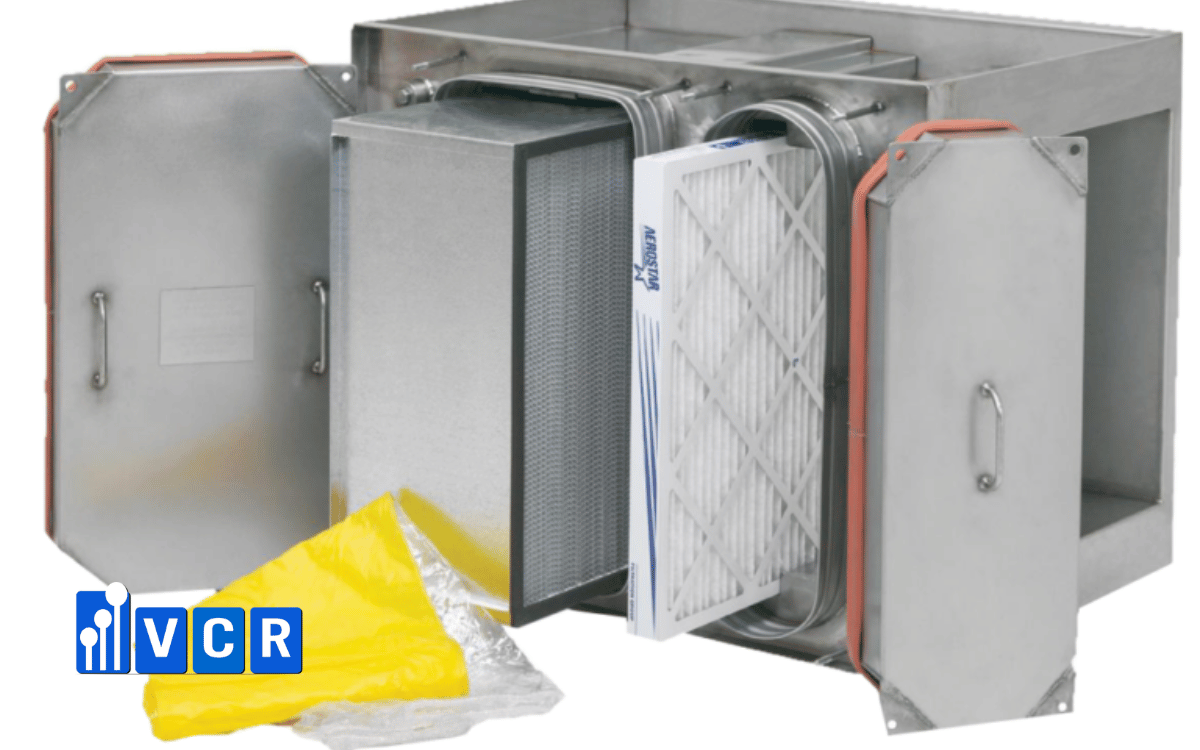
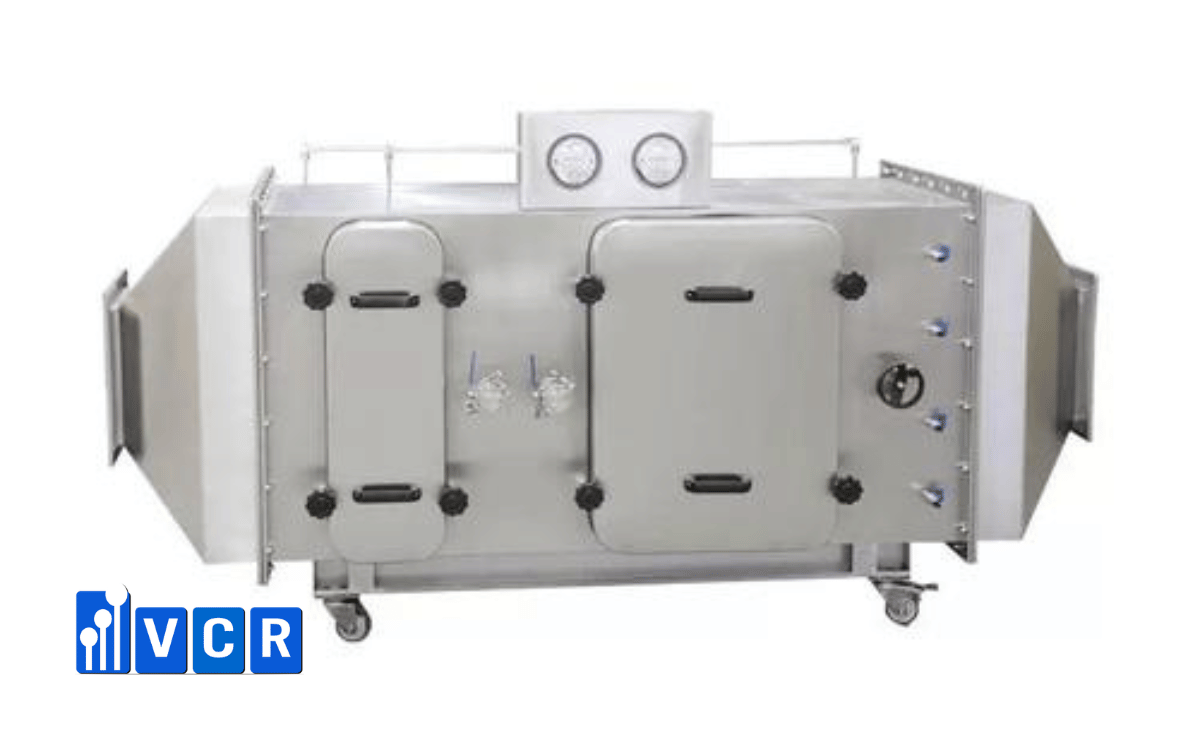
BIBO – Bag-in Bag-out is a safe-change method used for air filters that may contain hazardous contamination. The filter is installed inside a sealed containment housing equipped with a service door and a dedicated bagging collar.
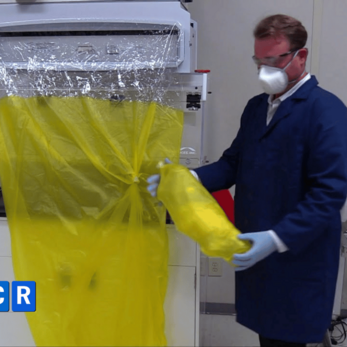
During maintenance, technicians handle the contaminated filter through a protective bag. The used filter is pulled into the bag, sealed and separated before being removed from the housing. The replacement filter is introduced without directly exposing the inside of the housing to the maintenance room.
Commercial safe-change housings are designed to allow individual filters to be replaced while reducing contamination release and worker exposure.
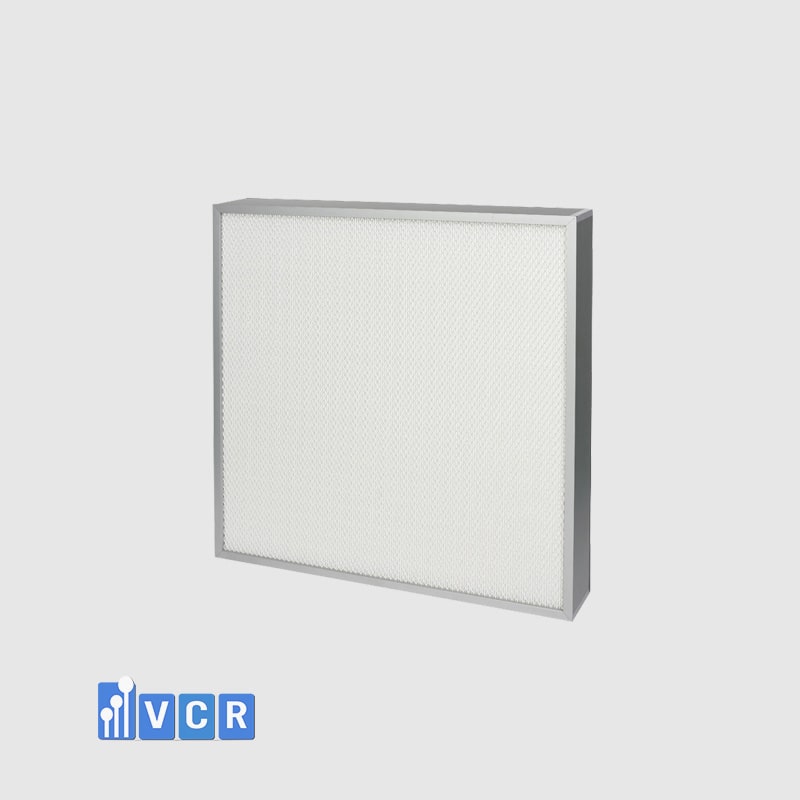
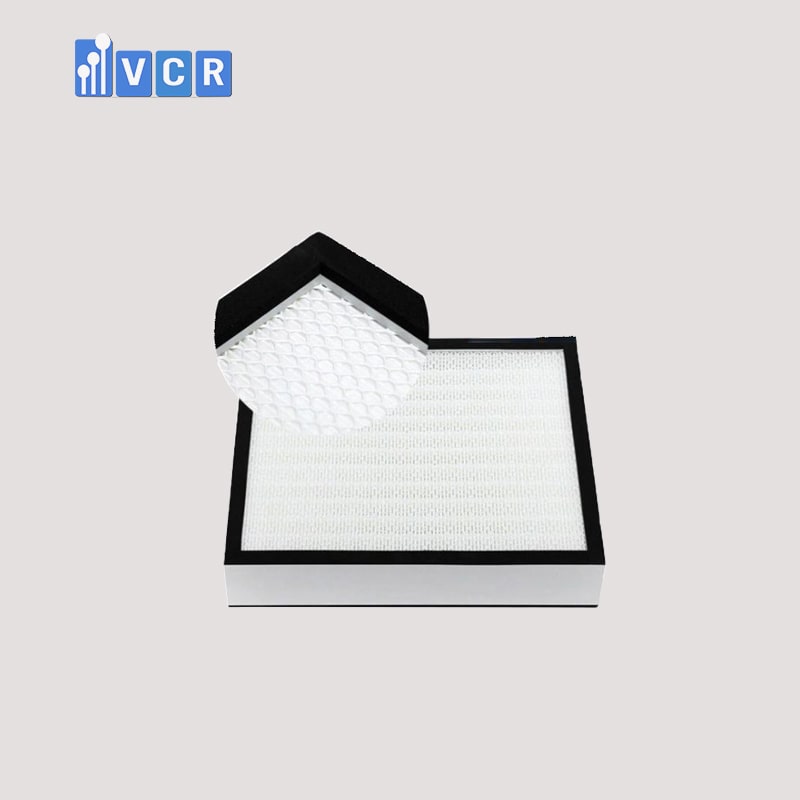
BIBO is not a filter classification. It is a containment housing and filter-change system. Depending on the process, the housing may contain a HEPA filter, a molecular filter, a prefilter or several filtration stages.
Why is BIBO used in cleanroom HVAC?
The primary purpose of BIBO is to protect maintenance personnel. A filter installed on a contaminated exhaust system may accumulate active pharmaceutical ingredients, toxic powders, microorganisms or other hazardous particles.
Opening a conventional filter housing may release contamination from the filter surface or the internal walls of the housing. BIBO provides a temporary containment barrier around the access opening and the filter during removal.
Its second role is environmental protection. Safe-change housings are widely applied to exhaust-air systems in biosafety laboratories, hospitals and other facilities where contaminated filters must be replaced without releasing the captured material.
BIBO also supports cross-contamination control in pharmaceutical facilities. Exhaust filters serving weighing, sampling, dispensing or high-potency processing areas may contain product residues. Enclosing the loaded filter before it leaves the housing helps prevent those residues from spreading into technical rooms or adjacent production areas.
The sealed bag also supports hazardous-waste handling because the filter is contained at the point of removal. The bag can then be identified, transported and disposed of according to the site’s approved procedure.
Main components of a BIBO housing
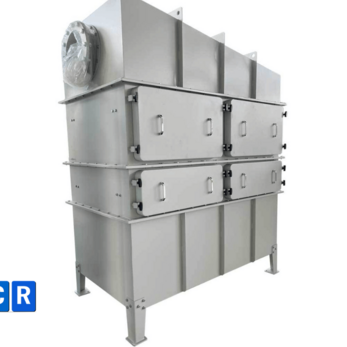
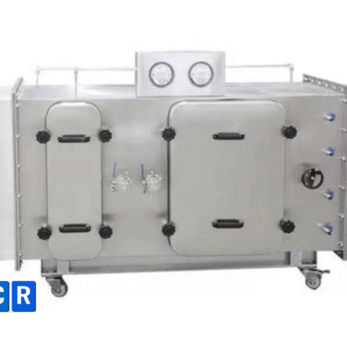
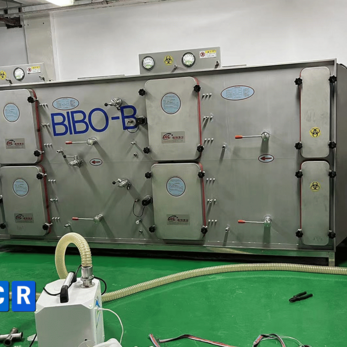
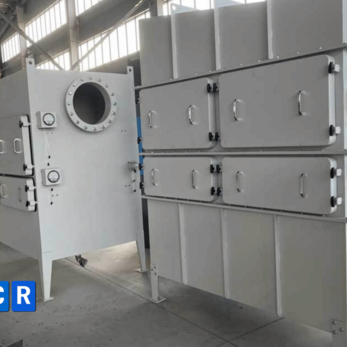
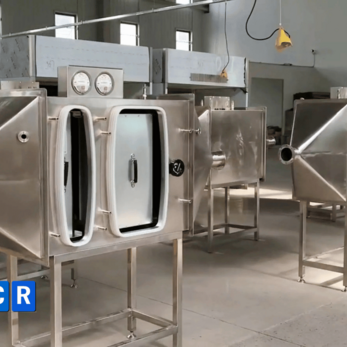
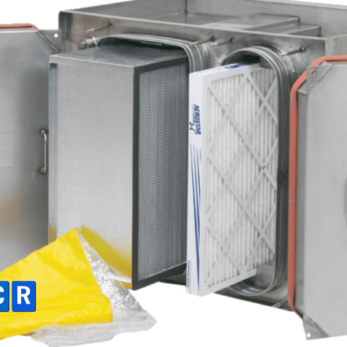
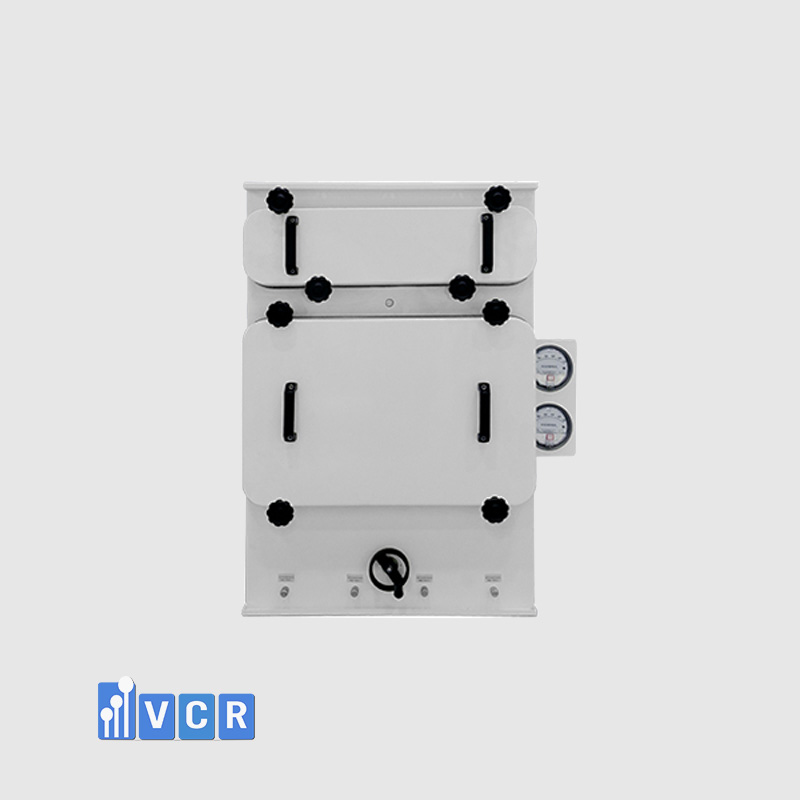
A typical BIBO unit includes an airtight housing, a filter mounting frame, a compression or clamping mechanism, an access door, a bagging collar and a safe-change bag.
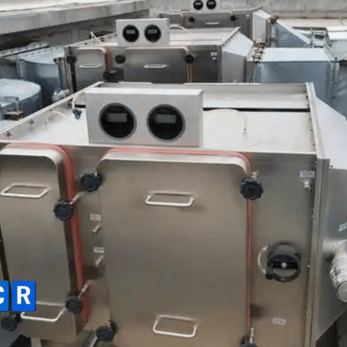
The housing may be manufactured from coated carbon steel or stainless steel, depending on corrosion resistance, cleanability and project requirements. Welded seams and sealed connections help reduce air leakage.
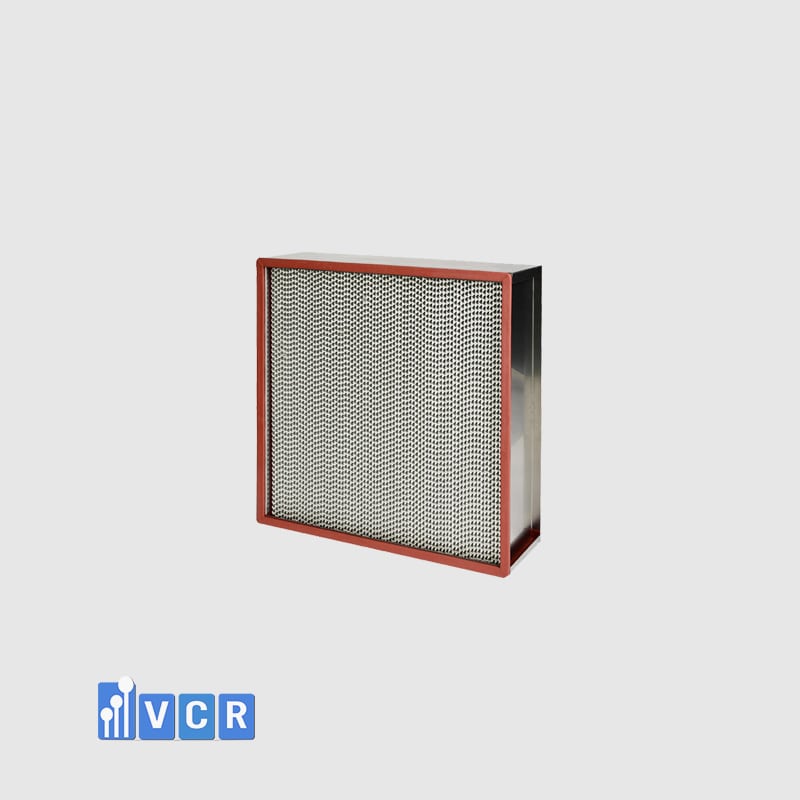
The filter frame holds the filter in position. A clamping mechanism compresses the gasket against its sealing surface. Insufficient compression may allow unfiltered air to bypass the filter.
The bagging collar surrounds the maintenance opening. A heavy-duty plastic change-out bag is secured around this collar using an elastic cord, safety strap or another approved retaining method. Some commercial bags are manufactured from thick translucent PVC so that technicians can observe the filter-change procedure.
The housing may also include differential-pressure ports, an inspection window, aerosol injection ports and provisions for in-place HEPA integrity testing. Some systems can incorporate manual scanning equipment and aerosol mixing modules to support filter leak testing.
Isolation dampers may be installed upstream and downstream when the module must be isolated for filter replacement, testing or decontamination. The required level of isolation depends on the hazard assessment and containment strategy.
How does the Bag-in Bag-out process work?
During normal operation, contaminated air enters the housing and passes through the installed filter. Hazardous particles remain trapped within the filter media.
When the filter reaches its approved maintenance limit, the system is shut down and isolated according to the site procedure. The change-out bag remains securely attached to the bagging collar.
The technician opens the access door and releases the clamping mechanism through the bag. The contaminated filter is pulled completely into the bag without direct contact.
The bag is then twisted, sealed, clamped or heat-sealed at the approved location. The section containing the used filter is separated while a sealed portion remains attached to the housing.
A clean filter is introduced through a replacement bag, positioned in the mounting frame and secured with the clamping mechanism. The housing is then closed, tested and returned to service.
The procedure reduces exposure, but it does not eliminate all risk. Bag integrity, correct attachment, technician training, suitable personal protective equipment and an approved SOP remain essential.
Where should BIBO be installed?
The most common installation location is the contaminated exhaust-air path. The housing is positioned after the process or room from which contaminated air is extracted and before the air is discharged to the environment. Safe-change containment housings are primarily promoted for exhaust filtration in biosafety laboratories, hospitals and other applications requiring contamination-controlled filter replacement.
In biosafety laboratories, BIBO may be installed on room exhaust branches or exhaust systems connected to primary containment equipment. The exact configuration should follow a site-specific biosafety risk assessment. WHO guidance emphasizes selecting containment measures according to the actual biological risk rather than applying one design to all laboratories.
In pharmaceutical facilities, BIBO may be installed on exhaust systems serving weighing booths, dispensing booths, sampling booths, high-potency processing rooms, powder-handling areas and dust-extraction systems.
In hospitals, potential applications include isolation-room exhaust systems, diagnostic laboratories and areas handling hazardous airborne contaminants.
BIBO may also be used on return-air systems when the returning air may contain hazardous contamination. Any recirculation strategy must be supported by a documented risk assessment and appropriate filtration controls.
A BIBO housing is not automatically required on clean supply air. Supply-side HEPA filters are usually exposed to comparatively clean upstream air. A safe-change supply housing should be specified only where the process creates a credible contamination risk or the project containment strategy requires it.
The unit must be installed where technicians have enough space to open the door, extend and manipulate the bag, remove the filter and use lifting equipment where necessary. Placing a BIBO unit against a wall or above a ceiling without a suitable service platform can make safe maintenance impossible.
Selection and design considerations
The design team should define airflow, filter size, number of filtration stages, pressure drop, housing material, airflow direction, duct connections and service clearance.
The contaminant type and hazard level must also be identified. The design may require isolation dampers, decontamination connections, HEPA scan ports, a prefilter, molecular filtration or a multi-stage arrangement.
A differential-pressure gauge or sensor should be installed to monitor filter loading. The replacement limit should be based on the initial pressure drop, operating airflow, manufacturer limits and the validated performance of the HVAC system rather than on a universal value.
Where in-place HEPA integrity testing is required, aerosol injection, mixing and downstream test access must be included in the original design. Adding these features after installation may be difficult and may compromise the housing’s containment integrity.
Conclusion
BIBO is a safe-change filter containment system for HVAC applications where loaded filters may contain hazardous contamination. It reduces direct worker contact, limits contaminant release and supports controlled handling of used filters.
The system is most commonly installed on contaminated exhaust-air paths serving laboratories, hospitals, pharmaceutical manufacturing areas and hazardous powder processes. Correct placement depends on airflow direction, hazard level, isolation requirements, testing access and maintenance clearance.
Vietnam Cleanroom Equipment – VCR Cleanroom supplies BIBO housings, HEPA filters and cleanroom equipment for cleanroom contractors and regulated manufacturing facilities. The technical team supports airflow sizing, filtration-stage selection, housing material, installation location, differential-pressure monitoring, HEPA test-port configuration and service-clearance planning.
Contact Vietnam Cleanroom Equipment for technical consultation and a project-specific BIBO quotation.